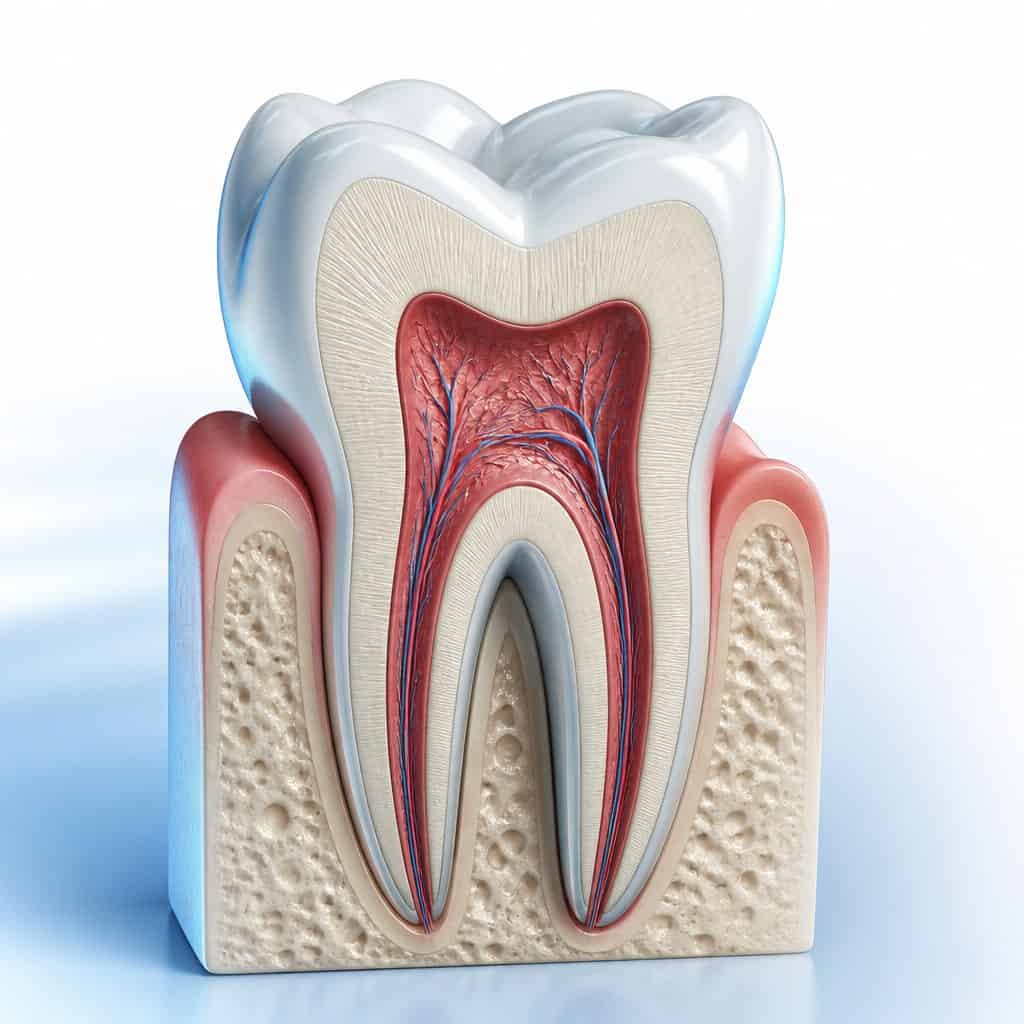
Signs You May Need a Deep Cleaning in Norwalk, CT
Maintaining optimal oral health is crucial for overall well-being, and recognizing the signs that you may need a deep cleaning is an essential part of this process. Deep cleaning, also known as scaling and root planing, is a specialized dental procedure aimed at treating gum disease and preventing further complications. In this article, we will explore the early signs of gum disease, symptoms indicating the need for scaling and root planing, the deep cleaning procedure itself, its benefits, and why The Harmony Dental Group is the ideal choice for your dental care in Norwalk, CT. By understanding these aspects, you can take proactive steps to ensure your dental health remains a priority.
What Are the Early Signs of Gum Disease Indicating a Need for Deep Cleaning?
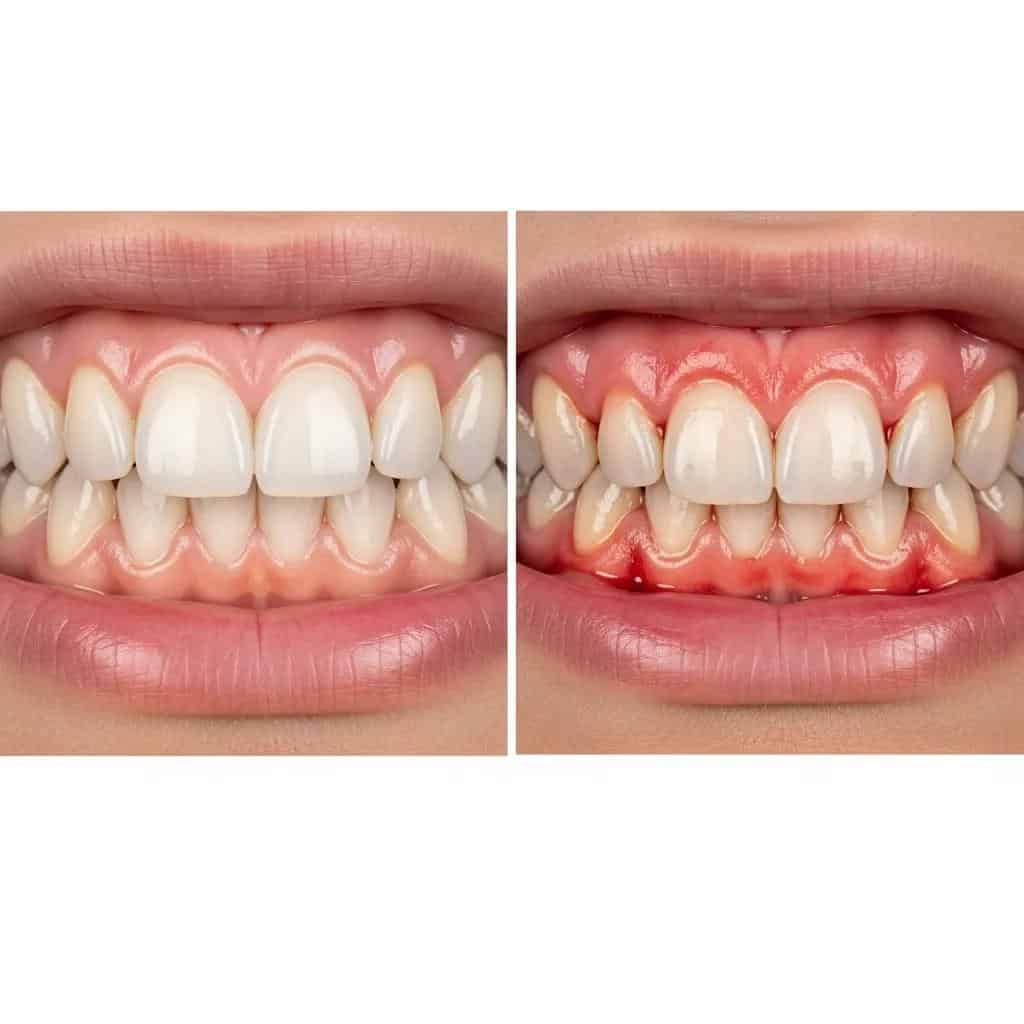
Identifying the early signs of gum disease is vital for preventing more severe dental issues. Common indicators include:
- Bleeding Gums: If you notice blood when brushing or flossing, it may signal gingivitis, the initial stage of gum disease.
- Persistent Bad Breath: Chronic halitosis can be a warning sign of underlying periodontal issues.
- Swollen Gums: Inflamed or swollen gums often indicate irritation and the need for professional evaluation.
Recognizing these symptoms early can help you seek timely treatment and avoid more invasive procedures later.
How Does Bleeding Gums Signal the Onset of Gingivitis?
Bleeding gums are often the first noticeable sign of gingivitis, an inflammation of the gum tissue caused by plaque buildup. When plaque is not removed through regular brushing and flossing, it can harden into tartar, leading to gum irritation. This condition can progress to more severe forms of gum disease if left untreated. Statistics show that nearly 50% of adults in the United States have some form of periodontal disease, making awareness of this symptom crucial for early intervention.
Why Is Persistent Bad Breath a Warning Sign for Periodontal Issues?
Persistent bad breath, or halitosis, can be more than just an embarrassing issue; it often indicates the presence of gum disease. Bacteria that accumulate in the mouth produce foul-smelling compounds, which can lead to chronic bad breath. Addressing this symptom is essential, as it may signify deeper periodontal problems that require professional cleaning and treatment to restore oral health.
Which Symptoms Show That Gum Disease Has Progressed Requiring Scaling and Root Planing?
As gum disease progresses, more severe symptoms may emerge, indicating the need for scaling and root planing. These symptoms include:
- Gum Recession: When gums pull away from teeth, exposing more of the tooth or its root, it can lead to sensitivity and increased risk of decay.
- Deep Pockets: The formation of pockets between the teeth and gums can harbor bacteria, making it difficult to maintain oral hygiene.
- Loose Teeth: Advanced gum disease can result in tooth mobility, which may necessitate immediate dental intervention.
Understanding these advanced symptoms is crucial for seeking timely treatment and preventing tooth loss.
What Does Gum Recession Reveal About Periodontal Health?
Gum recession is a significant indicator of periodontal health. It occurs when the gum tissue wears away, exposing the tooth roots. This condition can be caused by various factors, including aggressive brushing, hormonal changes, and periodontal disease. If left untreated, gum recession can lead to tooth sensitivity and increased risk of cavities. Regular dental check-ups can help monitor gum health and address any concerns early.
How Do Deep Pockets and Loose Teeth Indicate Advanced Gum Disease?
Deep pockets between the teeth and gums are a hallmark of advanced gum disease. These pockets can trap food particles and bacteria, making it challenging to maintain proper oral hygiene. Loose teeth often result from the loss of supporting bone structure due to untreated gum disease. If you experience these symptoms, it is crucial to consult a dental professional for evaluation and potential scaling and root planing.
What Is the Deep Cleaning Procedure and How Does It Differ from Regular Cleaning?
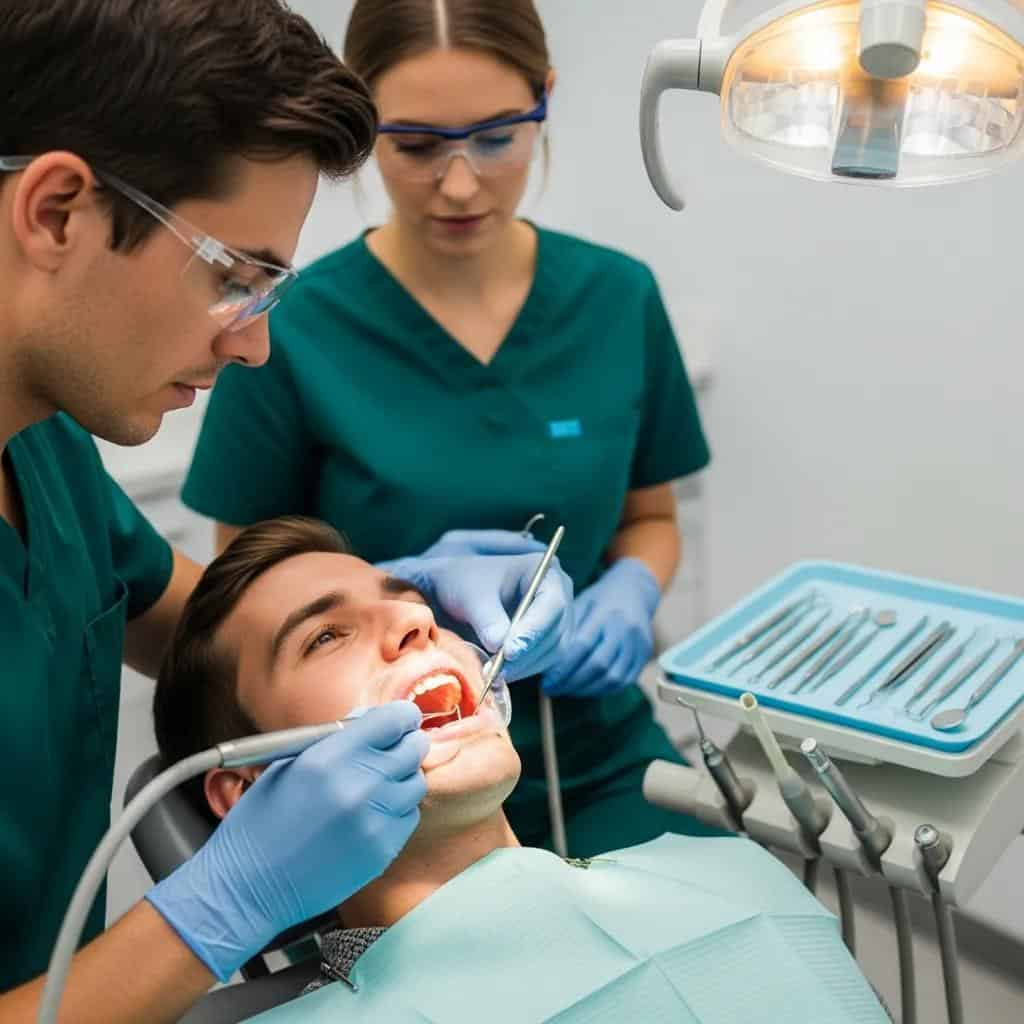
Deep cleaning, or scaling and root planing, is a more intensive procedure than regular dental cleaning. It involves the removal of plaque and tartar from below the gum line, addressing the root causes of gum disease.
What Are the Steps Involved in Scaling and Root Planing?
The deep cleaning procedure typically involves the following steps:
- Anesthesia: Local anesthesia is administered to ensure patient comfort during the procedure.
- Scaling: The dentist or hygienist uses specialized instruments to remove plaque and tartar from the tooth surfaces and below the gum line.
- Root Planing: The roots of the teeth are smoothed to promote healing and prevent future plaque buildup.
This thorough approach helps restore gum health and prevent further complications.
Innovations in dental science continue to explore methods to enhance the effectiveness of scaling and root planing.
Deep Cleaning Procedure: Scaling and Root Planing Adjuncts
The aim of this randomized clinical trial was to assess whether chemical cleansing using a sulfonic/sulfuric acid gel solution (HBX) as an adjunct to scaling and root planing (SRP) resulted in a decrease in residual plaque and calculus in deep periodontal pockets compared to SRP alone.
Chemical cleansing as an adjunct to subgingival instrumentation with ultrasonic and hand devices in deep periodontal pockets: A randomized controlled study, F Romano, 2021
How Does Deep Cleaning Compare to Routine Dental Cleaning?
While routine dental cleaning focuses on the visible surfaces of the teeth, deep cleaning targets the areas below the gum line. Routine cleanings are typically performed every six months, while deep cleanings may be recommended based on the severity of gum disease. The following table summarizes the key differences:
What Are the Benefits of Deep Cleaning for Oral and Overall Health?
Deep cleaning offers numerous benefits for both oral and overall health. By addressing gum disease, patients can experience:
- Prevention of Tooth Loss: Effective treatment of gum disease can prevent the loss of teeth and preserve your smile.
- Improvement of Gum Health: Scaling and root planing help reduce inflammation and promote healing of the gum tissue.
- Overall Health Benefits: Research indicates a link between gum disease and systemic health issues, such as heart disease and diabetes. Maintaining good oral health can contribute to overall well-being.
These benefits highlight the importance of seeking timely treatment for gum disease.
The connection between oral health and systemic conditions is a significant area of ongoing medical research.
Periodontitis and Systemic Health Connections
Increasing evidence has suggested an independent association between periodontitis and a range of comorbidities, for example cardiovascular disease, type 2 diabetes, rheumatoid arthritis, osteoporosis, Parkinson's disease, Alzheimer's disease, psoriasis, and respiratory infections. Shared inflammatory pathways are likely to contribute to this association, but distinct causal mechanisms remain to be defined. Some of these comorbid conditions may improve by periodontal treatment, and a bidirectional relationship may exist, where, for example, treatment of diabetes can improve periodontal status.
Relationship between periodontal disease and systemic health, RI Garcia, 2000
How Does Scaling and Root Planing Prevent Tooth Loss and Bone Damage?
Scaling and root planing effectively remove harmful bacteria and plaque that contribute to gum disease. By addressing these issues, patients can prevent the progression of gum disease, which can lead to tooth loss and bone damage. Studies show that early intervention through deep cleaning can significantly reduce the risk of these complications, making it a vital component of preventive dental care.
Further research supports the efficacy of deep cleaning in preserving dental health and preventing severe complications.
Scaling and Root Planing Benefits for Periodontitis
The ability of scaling and root planing to reduce inflammation, including scaling and root planing, reduces tooth loss by up to 50% over 10 years, depending on plaque control, the quality of root debridement and a strict maintenance program.
Scaling and root planing vs. conservative surgery in the treatment of chronic periodontitis, 2016
In What Ways Does Deep Cleaning Improve Breath and Gum Health?
Deep cleaning not only improves gum health but also enhances breath freshness. By removing the bacteria responsible for bad breath, patients often notice a significant improvement in their oral hygiene. Additionally, healthier gums contribute to a more pleasant overall mouthfeel, promoting confidence in social interactions.
Why Choose The Harmony Dental Group for Deep Cleaning in Norwalk, CT?
Choosing the right dental practice for your deep cleaning needs is essential for achieving optimal results. The Harmony Dental Group stands out for several reasons:
- Advanced Technology: Utilizing cutting-edge techniques, including Solea® laser dentistry, ensures a virtually pain-free experience during many dental procedures.
- Patient-Centered Care: The team prioritizes patient comfort and satisfaction, providing a welcoming environment for all dental visits.
- Experienced Team: With a team of skilled professionals, The Harmony Dental Group offers comprehensive periodontal care tailored to individual needs.
These factors make The Harmony Dental Group an excellent choice for your dental health needs in Norwalk, CT.
How Does Solea® Laser Dentistry Enhance Comfort During Deep Cleaning?
Solea® laser dentistry revolutionizes the dental experience by minimizing discomfort and anxiety. This advanced technology allows for precise treatment often without the need for traditional anesthesia. Patients often report a more comfortable experience, making it easier to maintain regular dental visits.
What Expertise Does Our Team Offer in Periodontal Care?
The Harmony Dental Group's team includes specialists in periodontal care, ensuring that patients receive the highest level of expertise. With a commitment to ongoing education and training, the team stays current with the latest advancements in dental technology and techniques. This dedication to excellence translates into better outcomes for patients seeking deep cleaning and other periodontal treatments.
What Are the Typical Costs and Insurance Coverage Options for Deep Cleaning?
Understanding the costs associated with deep cleaning and available insurance coverage is essential for planning your dental care.
Is Deep Cleaning Covered by Dental Insurance Plans?
Many dental insurance plans cover a portion of the costs associated with deep cleaning, especially if it is deemed medically necessary. It is advisable to check with your insurance provider to understand your coverage options and any out-of-pocket expenses you may incur.
Frequently Asked Questions
What Can I Expect During a Deep Cleaning Appointment?
During a deep cleaning appointment, you can expect a thorough examination of your gums and teeth. The dentist or hygienist will administer local anesthesia to ensure your comfort. The procedure involves scaling, where plaque and tartar are removed from below the gum line, followed by root planing to smooth the tooth roots. The entire process may take one or two visits, depending on the severity of your gum disease. Post-procedure, you may experience some sensitivity, but this typically subsides within a few days.
How Often Should I Get a Deep Cleaning?
The frequency of deep cleaning varies based on individual oral health needs. Generally, it is recommended for patients with moderate to severe gum disease, and it may be performed every 6 to 12 months. Your dentist will assess your gum health and recommend a personalized schedule. Regular dental check-ups are essential to monitor your condition and determine if additional deep cleanings are necessary to maintain optimal oral health.
Are There Any Risks Associated with Deep Cleaning?
Deep cleaning is generally safe, but like any dental procedure, it carries some risks. Potential side effects include temporary gum sensitivity, bleeding, or discomfort following the treatment. In rare cases, patients may experience an infection if bacteria are introduced during the procedure. However, these risks are minimal, and the benefits of treating gum disease typically outweigh them. Always discuss any concerns with your dentist before the procedure to ensure you are well-informed.
Can I Maintain Oral Health After Deep Cleaning?
Yes, maintaining oral health after deep cleaning is crucial for preventing the recurrence of gum disease. Following the procedure, it is essential to adhere to a diligent oral hygiene routine, including brushing twice daily, flossing, and using an antibacterial mouthwash. Regular dental check-ups and cleanings are also vital. Additionally, a balanced diet and avoiding tobacco products can significantly contribute to long-term gum health and overall oral hygiene.
What Should I Do If I Experience Pain After Deep Cleaning?
Experiencing some discomfort or sensitivity after deep cleaning is common, but if the pain is severe or persists beyond a few days, you should contact your dentist. They may recommend over-the-counter pain relievers or prescribe medication to alleviate discomfort. It’s important to follow any post-procedure care instructions provided by your dental professional to ensure proper healing and address any complications that may arise.
How Does Deep Cleaning Impact Overall Health?
Deep cleaning not only improves oral health but also has positive implications for overall health. Research indicates a strong link between gum disease and systemic conditions such as heart disease, diabetes, and respiratory issues. By effectively treating gum disease through deep cleaning, you can reduce inflammation and lower the risk of these associated health problems. Maintaining good oral hygiene is a vital component of overall wellness, emphasizing the importance of regular dental care.
About The Harmony Dental Group
The Harmony Dental Group is dedicated to providing exceptional dental care in Norwalk, CT. With a commitment to patient comfort and satisfaction, our practice utilizes advanced technology, including Solea® laser dentistry, to ensure a virtually pain-free experience. Our experienced team of skilled professionals offers comprehensive periodontal care tailored to individual needs, staying current with the latest advancements in dental technology and techniques to deliver the highest level of expertise and optimal outcomes for all patients.
Conclusion
Recognizing the signs that you may need a deep cleaning is essential for maintaining optimal oral health and preventing more severe dental issues. The benefits of deep cleaning, including improved gum health and prevention of tooth loss, underscore the importance of timely intervention. If you suspect gum disease, don’t hesitate to consult a dental professional for an evaluation and personalized care. Schedule your appointment with The Harmony Dental Group today to prioritize your dental health.