Few phrases make people tense up like "you need a root canal." The good news: almost everything you have heard about them is out of date. A modern root canal is a routine, comfortable procedure that relieves pain rather than causing it, and it lets you keep your natural tooth instead of losing it. At The Harmony Dental Group in Norwalk, CT, Dr. Richard Malek pairs gentle technique with real comfort options so the experience is far easier than its reputation suggests.
What a root canal actually is
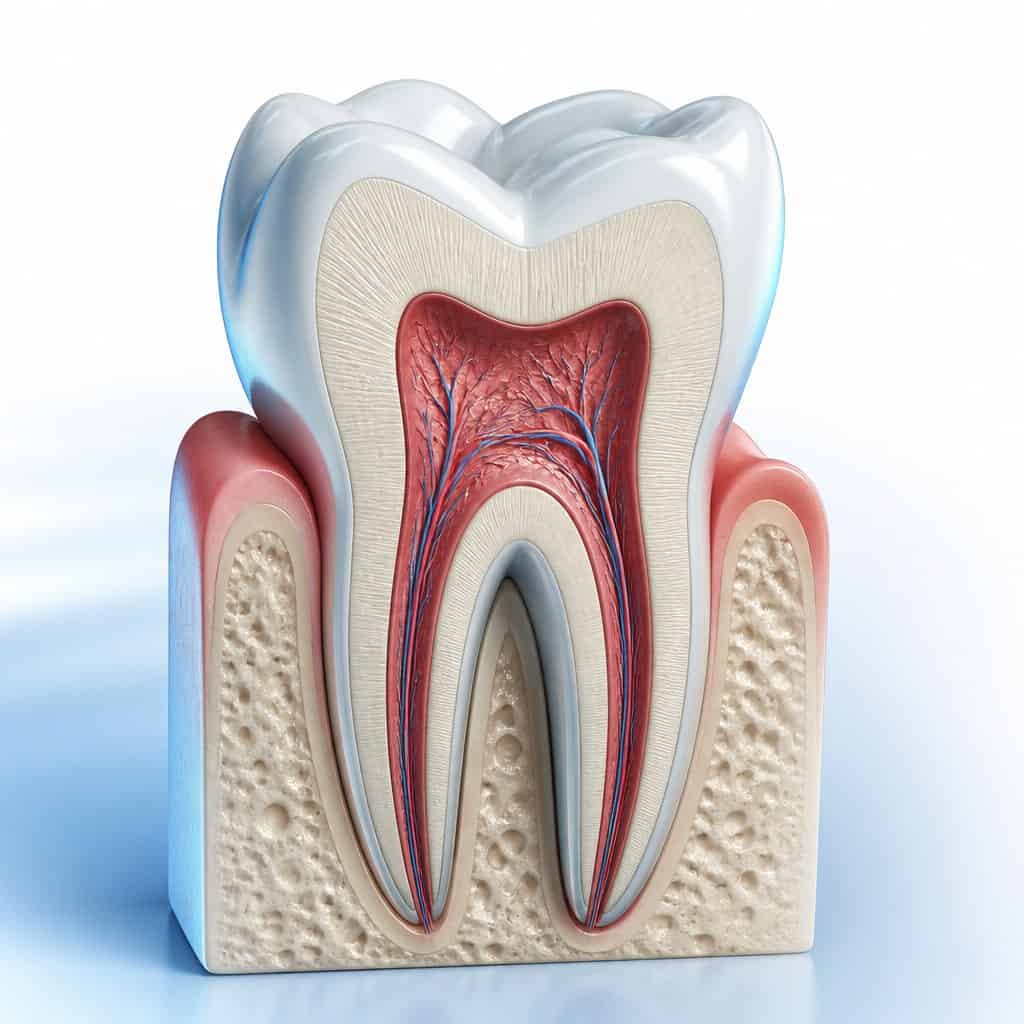
Inside every tooth is a soft core called the pulp. When decay, a crack, or an injury lets bacteria reach it, the pulp becomes infected or inflamed, which is what causes that deep, throbbing toothache. A root canal simply removes the infected pulp, cleans and seals the inside of the tooth, and leaves your natural tooth in place. It is one of the most common ways dentists rescue a tooth that would otherwise have to come out.
Signs you might need a root canal
It is worth calling us if you notice: a lingering toothache, sharp pain when you bite or chew, sensitivity to hot or cold that does not go away, swelling or tenderness in the gum, a small pimple-like bump near a tooth, or a tooth that has darkened. These can signal an infection reaching the pulp. Our posts on tooth pain when biting and dental abscesses go deeper, but the safest move is simply to get it checked early.
Does a root canal hurt? The comfort-first difference
Here is the myth worth retiring: a root canal is not the painful part, the infection is. The procedure is what ends the pain. With modern anesthesia most patients feel little more than they would for a filling, and at Harmony we go further. For anyone who feels anxious, we offer sedation and comfort options, and our painless-treatment approach with the Solea laser keeps many procedures gentler and quieter. The goal is simple: get you out of pain in a way that does not add stress.
Root canal vs. pulling the tooth
Whenever we reasonably can, saving your natural tooth is the better choice. Nothing functions quite like the tooth you were born with, and keeping it protects your bite and the neighboring teeth. Extraction is sometimes unavoidable, and when it is we will walk you through replacement options, but a root canal is usually the more conservative, longer-lasting answer.
What to expect and recovery
Most root canals are completed in one or two visits. Afterward, the treated tooth is often finished with a crown to protect it, and many patients are back to normal life the same day, with any mild soreness easing over a few days. We will give you simple aftercare guidance and stay available if you have questions.
Why Norwalk patients choose The Harmony Dental Group
Dr. Richard Malek and our team have earned a 4.9-star rating from hundreds of neighbors across Norwalk, South Norwalk, and Fairfield County. We take the fear out of the phrase "root canal" by explaining everything, going at your pace, and keeping you genuinely comfortable from start to finish. If you are in pain, do not wait it out.
Think you might need a root canal? Call 203-354-3193 to see your dentist in Norwalk, CT and get out of pain, comfortably.
Related reading
- Root Canal Therapy at The Harmony Dental Group
- Painless Treatment with the Solea Laser
- Tooth Pain When Biting: What It Could Mean
Frequently asked questions about root canals in Norwalk, CT
Does a root canal hurt?
For most people, no more than a routine filling. The pain you feel beforehand comes from the infection, and the root canal is what relieves it. With modern anesthesia, and sedation options if you want them, the procedure itself is comfortable.
How long does a root canal take?
Most are done in one or two visits, depending on the tooth. Many patients return to their normal day right afterward, with only mild soreness for a few days.
Should I just have the tooth pulled instead?
Usually not. Saving your natural tooth is almost always better for your bite and long-term health, and a root canal is the conservative way to do that. If extraction turns out to be necessary, we will explain your replacement options.
Will insurance cover a root canal?
Root canals are commonly covered at least in part by dental insurance. Call 203-354-3193 and we will help you understand your coverage and any out-of-pocket cost before we begin.