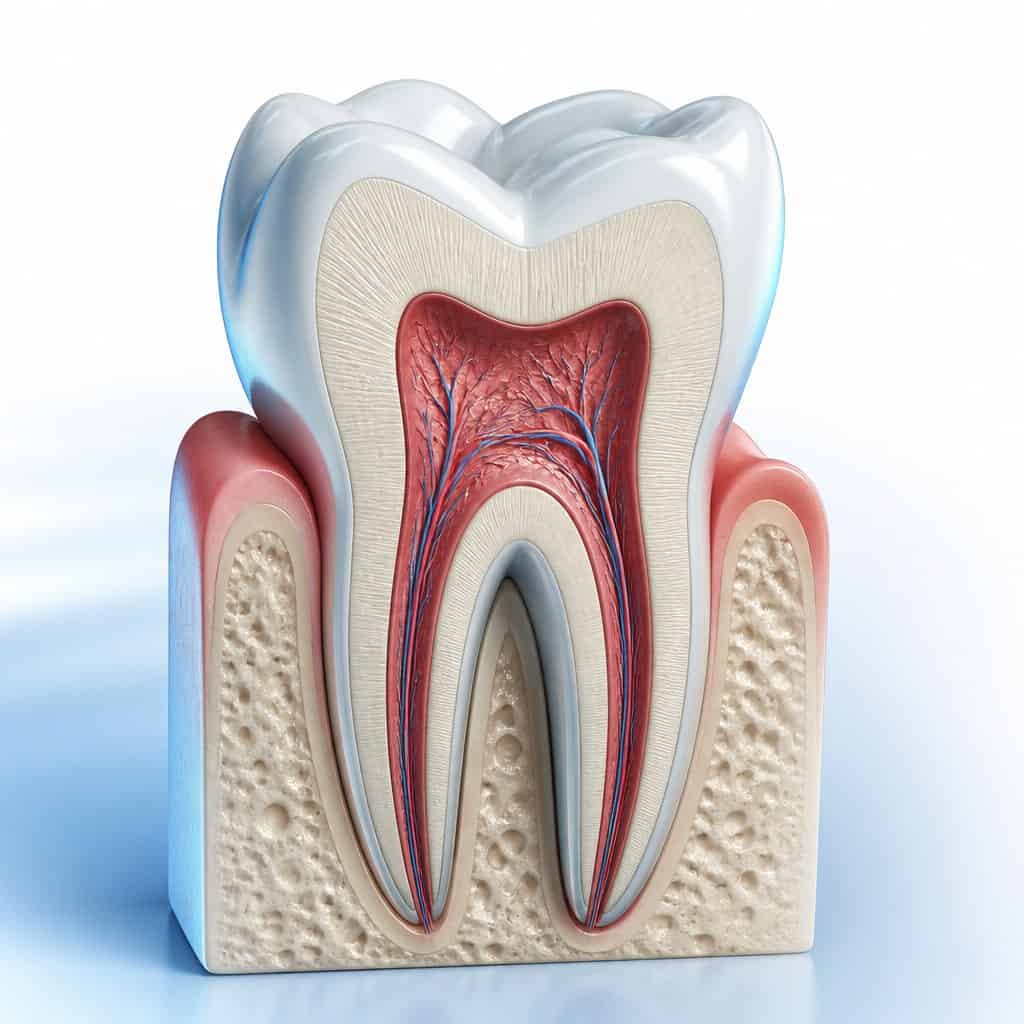
February is Gum Disease Awareness Month. Gum disease is an infection of the gums that is typically caused by poor oral hygiene. Although this condition can potentially cause tooth loss, the early stages are often painless. Therefore, individuals can live with gum disease for years without noticing any symptoms. Attending annual exams gives your dental team an opportunity to catch gum disease as early as possible and help stop its progression.
Symptoms of Gum Disease:
Bleeding gums
Red gums
Receding gums
Swollen gums
Bad breath
Foul taste in mouth
Loose teeth
Changes to bite alignment
Change in partial denture fit
Gingivitis
Gingivitis is the first stage of gum disease and the simplest to treat. Patients with gingivitis may have red, swollen gum that bleeds easily. However, many gingivitis patients are unaware of their condition until receiving a formal diagnosis. This stage of gum disease is often reversible with proper care. Treatment for gingivitis often includes professional hygiene cleanings, prescription mouthwash or toothpaste, and excellent daily oral hygiene.
Periodontitis
Periodontitis is an advanced stage of gum disease. According to the Centers for Disease Control and Prevention, periodontitis affects 47% of US adults over age 30. If left untreated, this condition can cause tooth and bone loss. Gum disease is known for its slow progression, but rapid periods of advancement can occur. Professional dental hygiene cleanings, medications, and surgery are effective treatment methods for periodontitis patients. It is also essential for patients with periodontitis to commit to a diligent oral hygiene routine to manage their condition.
Risk Factors for Gum Disease:
Tobacco use
Diabetes
Poor oral hygiene
Pregnancy
Genetics
Certain medications
Although there is no conclusive link between periodontal disease and systemic diseases, research has collected data to support that gum disease may be associated with certain health conditions, including heart disease, diabetes, Alzheimer’s disease, cancer, respiratory disease, and stroke.
Prevention
Exceptional at-home oral hygiene and regular preventative dental care are the most effective methods to prevent gum disease. Your daily oral hygiene routine should include brushing your teeth twice a day for two minutes, cleaning the tongue twice a day with a brush or tongue scraper, and flossing daily. In addition, ensure you receive a professional dental cleaning twice a year and at least one dental exam annually. If we detect any signs of gum disease at your preventive visits, we will design a treatment plan to stop the progression and avoid chronic side effects.

Gum disease, also known as periodontal disease, is an infection of the tissues that surround and support your teeth. It begins with plaque buildup, which can lead to gingivitis, the mildest form of gum disease characterized by swollen and bleeding gums. If left untreated, gingivitis can progress to periodontitis, a more severe condition that can result in tooth loss.
Regular dental check-ups are crucial for early detection and prevention of gum disease. During these visits, dental professionals can perform cleanings to remove plaque and tartar, provide personalized oral hygiene advice, and monitor any changes in gum health. Understanding the stages of gum disease helps patients take proactive steps in maintaining their oral health.
Symptoms of Gum Disease
Recognizing the symptoms of gum disease is essential for timely intervention. Common signs include persistent bad breath, swollen or bleeding gums, and receding gum lines. Patients may also experience pain while chewing or sensitivity to hot and cold foods.
If you notice any of these symptoms, it's important to schedule an appointment with your dentist. Early diagnosis can lead to less invasive treatments and better outcomes. Keeping track of your oral health and being aware of these signs can significantly reduce the risk of severe gum disease.
Preventing Gum Disease
Prevention is key when it comes to gum disease. Maintaining a consistent oral hygiene routine, which includes brushing twice a day and flossing daily, can help keep your gums healthy. Additionally, regular dental visits for professional cleanings play a critical role in preventing gum disease.
Incorporating a balanced diet rich in vitamins and minerals also supports gum health. Foods high in vitamin C, for example, can help strengthen gums and reduce inflammation. Avoiding tobacco products and managing conditions like diabetes can further decrease your risk of developing gum disease.
Treatment Options for Gum Disease
Treatment for gum disease varies depending on its severity. For early-stage gingivitis, improved oral hygiene practices and regular dental cleanings may suffice. However, more advanced cases of periodontitis may require deeper cleanings, scaling and root planing, or even surgical interventions to restore gum health.
In some cases, dentists may prescribe antimicrobial mouth rinses or antibiotics to help control bacterial infection. Understanding these treatment options empowers patients to make informed decisions about their oral health and work collaboratively with their dental care providers.
tooth, patient, veneer, best dentist near me, tooth whitening, teeth cleaning, crown, tooth decay, gums, periodontology, orthodontics, cosmetic dentistry, mouth, oral hygiene, therapy, hygiene, porcelain, plastic surgery, endodontics, disease, pediatric dentistry, new york city, inlays and onlays, tooth enamel, calculus, prosthodontics, patients call, general, philosophy, queens, midtown manhattan, dental insurance, dental hygienist, madison avenue, dental trauma, pulp, jaw, emergency, dental floss, bad breath, accessibility, tooth discoloration, dental laboratory, zocdoc, best dentist, confidence, sedation, toothache, tooth loss, cosmetics, pain, pride, park avenue, health care, dr best dental, experienced dentist, injury, clear aligners, attention, makeover, compassion, upper east side, gingivitis
dentist near me, best dentist near me, dentist norwalk ct, experienced dentist, best local dentist, dentist southport ct, dentures norwalk, patient comfort with implants, norwalk ct tooth implants, tooth implants norwalk ct, denture implants near norwalk
tooth, patient, veneer, best dentist near me, tooth whitening, teeth cleaning, crown, tooth decay, gums, periodontology, orthodontics, cosmetic dentistry, mouth, oral hygiene, therapy, hygiene, porcelain, plastic surgery, endodontics, disease, pediatric dentistry, new york city, inlays and onlays, tooth enamel, calculus, prosthodontics, patients call, general, philosophy, queens, midtown manhattan, dental insurance, dental hygienist, madison avenue, dental trauma, pulp, jaw, emergency, dental floss, bad breath, accessibility, tooth discoloration, dental laboratory, zocdoc, best dentist, confidence, sedation, toothache, tooth loss, cosmetics, pain, pride, park avenue, health care, dr best dental, experienced dentist, injury, clear aligners, attention, makeover, compassion, upper east side, gingivitis
dentist near me, best dentist near me, dentist norwalk ct, experienced dentist, best local dentist, dentist southport ct, dentures norwalk, patient comfort with implants, norwalk ct tooth implants, tooth implants norwalk ct, denture implants near norwalk