Many people occasionally enjoy a soda at the movies, while others indulge in a soft drink at every meal. Before you crack open your next can of soda, you may want to learn more about how these bubbly beverages affect your oral health.
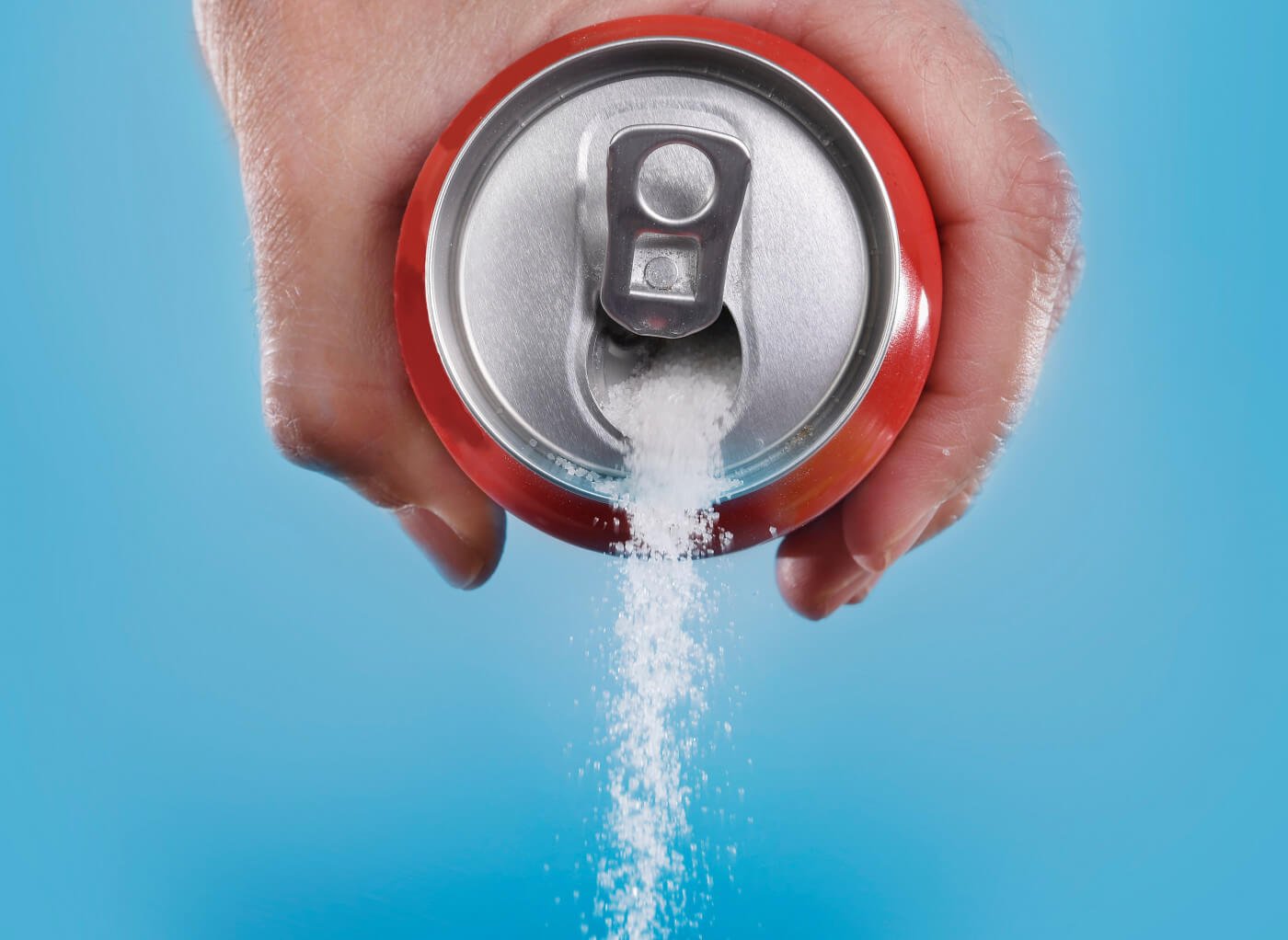
The average 12 oz can of soda contains about 10 teaspoons of sugar. When this sugar interacts with the bacteria in the mouth, it forms an acid that attacks the teeth. Then, it takes approximately 20 minutes after you finish your drink for your mouth to neutralize the acid. Therefore, if you sip on a soda for a few hours, your teeth will be under constant attack. Drinking soda like this often can lead to enamel erosion and cavities.
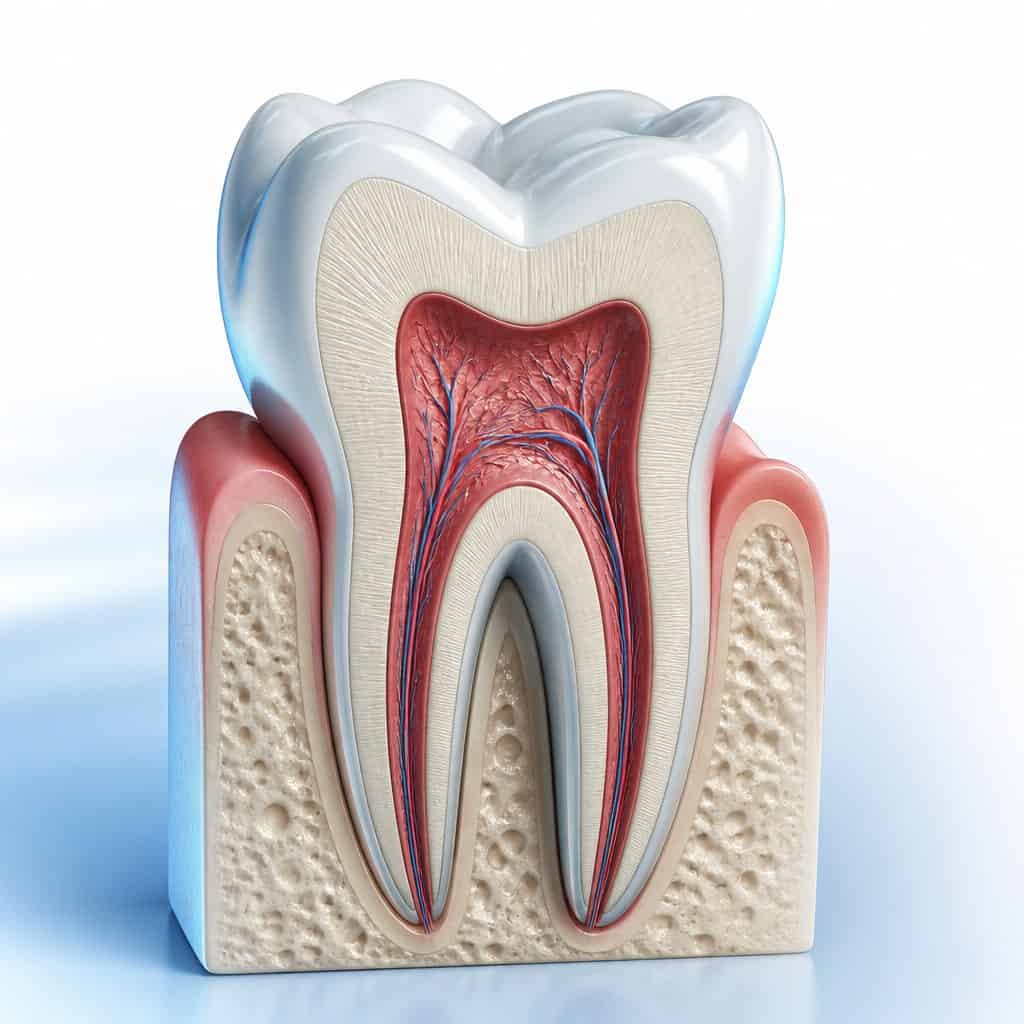
Erosion: Enamel is the strong outer coating of teeth. Enamel protects your teeth while you bite and chew. However, once the enamel wears away, it cannot grow back, making the teeth more susceptible to decay and damage. The acid your mouth creates from the sugar in soft drinks slowly erodes the enamel leaving the teeth weaker. Plus, most sodas contain phosphoric acid and citric acid, which also cause erosion.
Cavities: Drinking soda regularly puts people at a high risk of tooth decay. People who drink three sodas a day on average have 62% more tooth decay than people who don’t drink soda. Not only does soda weaken the enamel, but it also encourages bacteria growth in your mouth, putting individuals at a higher risk for cavities.
But What About Diet Soda?
You may be wondering if diet soda has the same negative effects because it doesn’t have any sugar. Just like regular soda, many diet sodas contain phosphoric acid and citric acid. To put in perspective how acidic diet soda can be: battery acid has a pH level of 1.0, pure water has a pH level of 7.0, and diet soda can have a pH level as low as 3.0. Frequent exposure to these acidic diet sodas can cause significant damage to your smile over time.
It is best to avoid all soda to keep your smile in tip-top shape. However, if you do choose to treat yourself, follow these easy tips to lessen the negative effects of soda:
Finish It in One Sitting: If you want to indulge in a soft drink, drink the soda fast rather than sipping on it throughout the day to lessen your exposure to the acid and sugar in soda.
Use a Straw: using a straw helps deliver the soft drink to the back of your mouth, which lessens the direct exposure to acid and sugar.
Rinse Mouth Out After: When you finish your soda, wash your mouth out with mouthwash or water. This will rinse away the excess sugar and acid and minimize damage.
Brush Teeth a Half-Hour After You Finish: You may think that brushing your teeth automatically after indulging in a soft drink will prevent any damage to your teeth, but it actually can inflict further damage. Since your teeth are vulnerable after the acid attack from the sugar, the excess friction from brushing your teeth can further hurt the enamel. It is best to wait about 30 minutes to an hour before brushing your teeth.
Don’t Consume Before Sleeping: Having a soda before bed will leave sugar on your teeth for hours, providing the perfect opportunity for it to eat away at your enamel. The sugar in the soda may also keep you awake for longer.
Drink With Food: When you eat, you produce more saliva, which will help break down the acid and wash away excess sugar.
It is okay to partake in soda every once in a while, but try to avoid drinking soda regularly. Excellent oral hygiene can minimize the harm from soda. Remember to brush your teeth twice a day, floss daily, and stay up on your dental cleanings and exams to maintain a healthy smile.

Soda poses significant risks to dental health due to its high acidity and sugar content. Regular consumption can lead to enamel erosion, which is irreversible and increases the likelihood of cavities and other dental issues.
For instance, studies have shown that individuals who consume soda frequently experience a higher incidence of tooth decay compared to those who limit their intake. The acids in soda, such as citric and phosphoric acid, can weaken enamel and create an environment conducive to bacteria growth, further compromising oral health.
Tips to Minimize Soda's Impact on Teeth
To enjoy soda while protecting your teeth, consider implementing specific strategies that can mitigate its harmful effects. Simple changes in consumption habits can lead to significant improvements in dental health.
For example, drinking soda quickly rather than sipping it slowly can reduce the duration of acid exposure on teeth. Additionally, pairing soda with meals can help neutralize acids due to increased saliva production, which aids in washing away sugars and acids that contribute to tooth decay.
Alternatives to Soda for Dental Health
Choosing beverages that are less harmful to dental health can be a great alternative to soda. Options such as water, herbal teas, or milk not only hydrate but also support oral health.
For instance, water helps rinse away food particles and neutralizes acids in the mouth, while milk contains calcium and phosphates that strengthen teeth. Exploring these alternatives can lead to better overall health and a reduced risk of dental problems.
Importance of Regular Dental Check-ups
Regular dental check-ups play a crucial role in maintaining oral health, especially for individuals who consume soda. These visits allow for early detection of potential issues caused by soda consumption, such as enamel erosion and cavities.
During check-ups, dentists can provide personalized advice on maintaining dental health, including tailored recommendations for diet and hygiene practices. Moreover, professional cleanings help remove plaque and tartar buildup, which can be exacerbated by sugary beverages like soda.
tooth, patient, veneer, best dentist near me, tooth whitening, teeth cleaning, crown, tooth decay, gums, periodontology, orthodontics, cosmetic dentistry, mouth, oral hygiene, therapy, hygiene, porcelain, plastic surgery, endodontics, disease, pediatric dentistry, new york city, inlays and onlays, tooth enamel, calculus, prosthodontics, patients call, general, philosophy, queens, midtown manhattan, dental insurance, dental hygienist, madison avenue, dental trauma, pulp, jaw, emergency, dental floss, bad breath, accessibility, tooth discoloration, dental laboratory, zocdoc, best dentist, confidence, sedation, toothache, tooth loss, cosmetics, pain, pride, park avenue, health care, dr best dental, experienced dentist, injury, clear aligners, attention, makeover, compassion, upper east side, gingivitis
dentist near me, best dentist near me, dentist norwalk ct, experienced dentist, best local dentist, dentist southport ct, dentures norwalk, patient comfort with implants, norwalk ct tooth implants, tooth implants norwalk ct, denture implants near norwalk
tooth, patient, veneer, best dentist near me, tooth whitening, teeth cleaning, crown, tooth decay, gums, periodontology, orthodontics, cosmetic dentistry, mouth, oral hygiene, therapy, hygiene, porcelain, plastic surgery, endodontics, disease, pediatric dentistry, new york city, inlays and onlays, tooth enamel, calculus, prosthodontics, patients call, general, philosophy, queens, midtown manhattan, dental insurance, dental hygienist, madison avenue, dental trauma, pulp, jaw, emergency, dental floss, bad breath, accessibility, tooth discoloration, dental laboratory, zocdoc, best dentist, confidence, sedation, toothache, tooth loss, cosmetics, pain, pride, park avenue, health care, dr best dental, experienced dentist, injury, clear aligners, attention, makeover, compassion, upper east side, gingivitis
dentist near me, best dentist near me, dentist norwalk ct, experienced dentist, best local dentist, dentist southport ct, dentures norwalk, patient comfort with implants, norwalk ct tooth implants, tooth implants norwalk ct, denture implants near norwalk