
Chronic Bad Breath: Causes, Treatments, and Prevention Tips for Effective Halitosis Management
Chronic bad breath, also known as halitosis, is a common condition that can significantly impact an individual's social interactions and self-esteem. Understanding the underlying causes of this issue is crucial for effective management and treatment. In this article, we will explore the various factors contributing to chronic bad breath, including oral bacteria, gum disease, and dry mouth. Additionally, we will discuss professional treatment options and practical oral hygiene practices that can help prevent and reduce bad breath. By addressing these aspects, individuals can take proactive steps towards maintaining fresh breath and overall oral health.
What Are the Common Causes of Persistent Bad Breath?
Persistent bad breath can stem from a variety of sources, primarily involving oral health issues. The most common causes include the presence of oral bacteria, tongue coating, gum disease, and dry mouth. These factors can lead to the accumulation of volatile sulfur compounds, which are primarily responsible for unpleasant odors.
How Do Oral Bacteria and Tongue Coating Contribute to Halitosis?
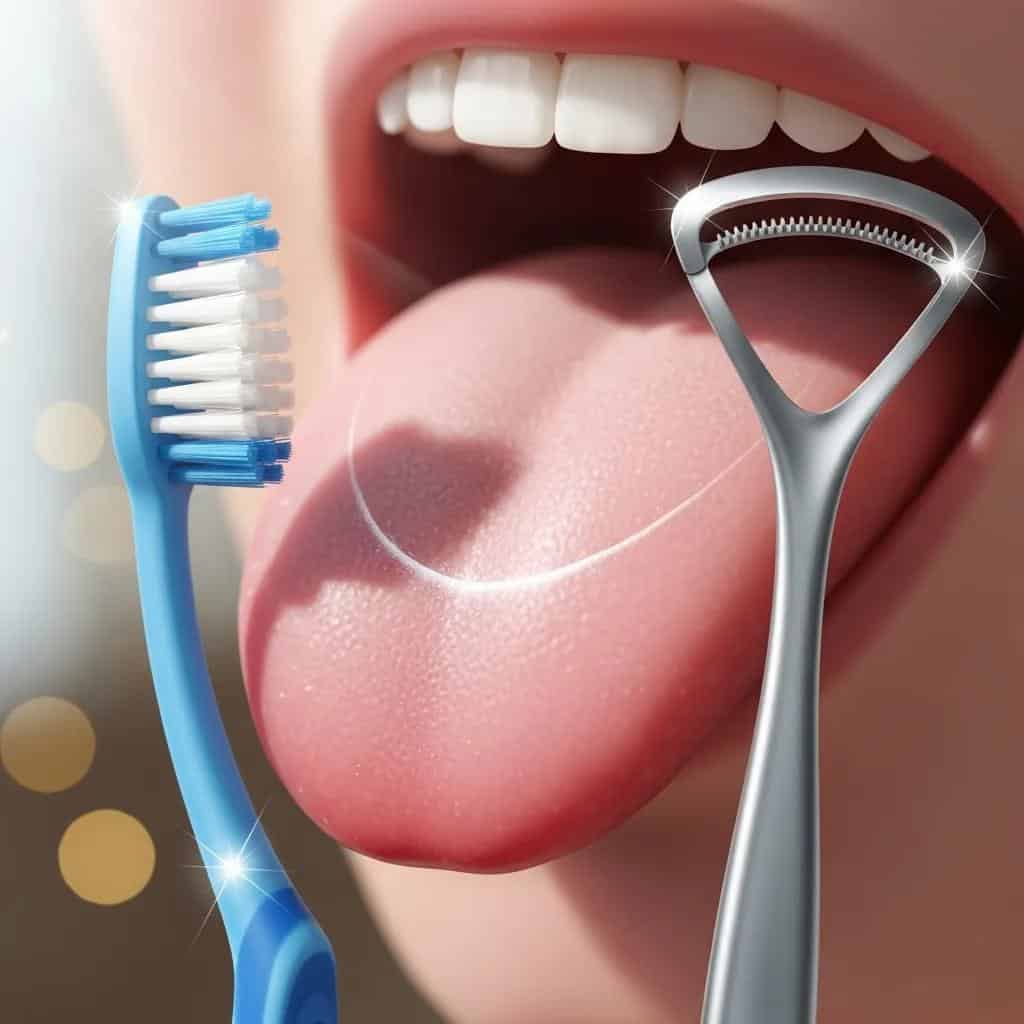
Oral bacteria play a significant role in the development of halitosis. These bacteria thrive in the mouth, particularly in areas that are difficult to clean, such as the back of the tongue. When they break down food particles and dead cells, they produce sulfur compounds that emit foul odors. Additionally, a coated tongue can harbor bacteria and food debris, further exacerbating bad breath. Regular tongue cleaning can help mitigate this issue by reducing bacterial buildup. For more information on oral health, visit A Healthy Tongue.
Research further emphasizes the critical role of oral bacteria in generating the volatile sulfur compounds responsible for unpleasant breath.
Oral Bacteria & VSCs: Key Causes of Bad Breath
The mouth is home to hundreds of bacterial species that produce several fetid substances as a result of protein degradation. Volatile sulfur compound (VSC)-producing bacteria
The relationship between oral malodor and volatile sulfur compound–producing bacteria, YP Krespi, 2006
What Role Do Gum Disease and Dry Mouth Play in Chronic Bad Breath?
Gum disease, or periodontal disease, is another major contributor to chronic bad breath. It occurs when bacteria infect the gums, leading to inflammation and the formation of pockets that can trap food particles and bacteria. This condition not only causes bad breath but can also result in tooth loss if left untreated. Dry mouth, or xerostomia, can also lead to halitosis as saliva plays a crucial role in washing away food particles and bacteria. Individuals with dry mouth may experience increased bad breath due to reduced saliva production.
Understanding the intricate relationship between dry mouth and bad breath is crucial for developing effective treatment strategies.
Xerostomia & Halitosis: Understanding Treatment
This article concisely focuses on the development of a systemic flow of events to come to the proper treatment of the xerostomia and halitosis.
Xerostomia and halitosis: A review and current concepts, YH Lee, 2017
Which Professional Halitosis Treatment Options Are Most Effective?
When it comes to treating chronic bad breath, several professional options are available. These treatments can effectively address the underlying causes and provide long-lasting relief.
How Does Professional Dental Cleaning Help Eliminate Bad Breath?

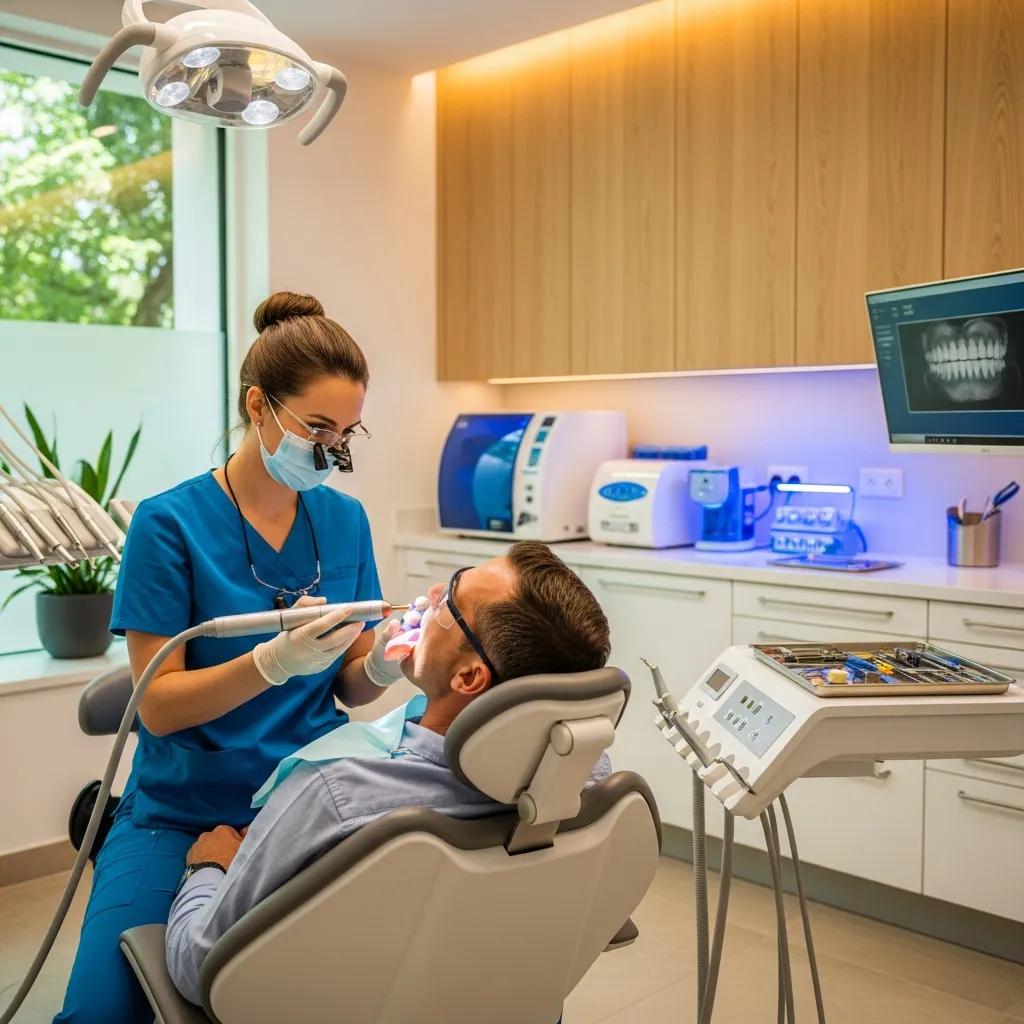
Professional dental cleaning by Dr. Richard Malek and The Harmony Dental Group is an essential step in managing bad breath. During this procedure, a dental hygienist removes plaque and tartar buildup from the teeth and gums, which can harbor bacteria responsible for bad breath. Regular cleanings, typically recommended every six months, can significantly reduce the risk of gum disease and improve overall oral hygiene.
Indeed, studies confirm that professional dental interventions, such as thorough cleanings performed by experts like Dr. Richard Malek and The Harmony Dental Group, are highly effective in treating halitosis linked to periodontal issues.
Professional Treatment for Halitosis from Periodontal Disease
Therefore, this review aimed to explore whether reducing such bacteria by professional tooth cleaning and/or scaling and root planing is able to cure oral halitosis in patients with periodontal diseases.
The effect of professional tooth cleaning or non‐surgical periodontal therapy on oral halitosis in patients with periodontal diseases. A systematic review, 2018
What Are the Benefits of Tongue Scraping and Medical Interventions?
Tongue scraping is a simple yet effective method for reducing bad breath. This practice involves using a specialized tool to remove the coating on the tongue, which can harbor bacteria and food particles. Medical interventions, such as prescription mouthwashes or treatments for underlying conditions like gum disease, can also be beneficial. These methods help to eliminate bacteria and promote a healthier oral environment. Dr. Richard Malek and The Harmony Dental Group often recommend these alongside professional care for optimal results.
How Can Oral Hygiene Practices Prevent and Reduce Chronic Bad Breath?
Maintaining good oral hygiene is crucial for preventing and reducing chronic bad breath. Simple practices can make a significant difference in breath freshness.
What Are the Best Oral Hygiene Routines for Bad Breath Control?
To effectively control bad breath, individuals should adopt a comprehensive oral hygiene routine that includes:
- Brushing Twice Daily: Use fluoride toothpaste to brush teeth for at least two minutes, ensuring to reach all surfaces.
- Flossing Daily: Flossing removes food particles and plaque from between teeth, areas that a toothbrush may miss.
- Using Mouthwash: An antibacterial mouthwash can help kill bacteria and provide a fresh scent.
Which Lifestyle and Dietary Changes Support Breath Freshening?
In addition to oral hygiene, certain lifestyle and dietary changes can support breath freshening. These include:
- Staying Hydrated: Drinking plenty of water helps maintain saliva production, which is essential for washing away food particles and bacteria.
- Chewing Sugar-Free Gum: This can stimulate saliva flow and help neutralize odors.
- Eating Fresh Fruits and Vegetables: Crunchy fruits and vegetables, like apples and carrots, can help clean teeth naturally and freshen breath.
When Should You Seek a Professional Bad Breath Diagnosis?
While occasional bad breath is normal, persistent halitosis may indicate an underlying health issue that requires professional evaluation by Dr. Richard Malek and The Harmony Dental Group.
What Signs Indicate the Need for a Dental Examination?
Individuals should consider seeking a dental examination with Dr. Richard Malek and The Harmony Dental Group if they experience:
- Chronic Bad Breath: If bad breath persists despite good oral hygiene practices.
- Gum Issues: Signs of gum disease, such as swollen or bleeding gums.
- Dry Mouth Symptoms: Persistent dry mouth that affects daily activities.
What to Expect During a Professional Halitosis Evaluation?
During a professional halitosis evaluation, a dentist from The Harmony Dental Group, led by Dr. Richard Malek, will conduct a thorough examination of the mouth, teeth, and gums. They may also ask about medical history and any symptoms experienced. Tests may include measuring the levels of volatile sulfur compounds in the breath. Based on the findings, the dentist will recommend appropriate treatment options tailored to the individual's needs.
Different treatment options for chronic bad breath can be compared based on their effectiveness and application.
This table illustrates how various treatment options can effectively address the causes of chronic bad breath, allowing individuals to choose the best approach for their needs.
Conclusion
Effectively managing chronic bad breath is essential for enhancing social interactions and boosting self-esteem. By understanding the causes and implementing proper oral hygiene practices, individuals can significantly reduce halitosis and improve their overall oral health. Regular dental check-ups with Dr. Richard Malek and The Harmony Dental Group and simple lifestyle changes can further support fresh breath. Take the first step towards a confident smile by exploring our comprehensive oral care solutions today.
___________________________________________
Frequently Asked Questions
What are some common misconceptions about chronic bad breath?
Many people believe that chronic bad breath is solely caused by poor oral hygiene. While inadequate brushing and flossing can contribute, other factors like gum disease, dry mouth, and certain medical conditions also play significant roles. Additionally, some may think that chewing gum or mints can completely mask bad breath, but these are temporary solutions that do not address the underlying causes. Understanding these misconceptions is crucial for effective management and treatment of halitosis.
Can certain foods contribute to chronic bad breath?
Yes, certain foods can significantly contribute to chronic bad breath. Foods with strong odors, such as garlic and onions, contain sulfur compounds that can linger in the mouth and bloodstream, leading to persistent halitosis. Additionally, sugary foods can promote bacterial growth in the mouth, exacerbating bad breath. Maintaining a balanced diet and being mindful of food choices can help mitigate these effects and support better oral health.
How does smoking affect bad breath?
Smoking is a major contributor to chronic bad breath. Tobacco products not only leave a strong odor but also dry out the mouth, reducing saliva production, which is essential for washing away food particles and bacteria. Smokers are also at a higher risk for gum disease, which can further worsen halitosis. Quitting smoking can significantly improve breath freshness and overall oral health, making it a vital step for those struggling with bad breath.
Are there any home remedies for managing bad breath?
Several home remedies can help manage bad breath effectively. Drinking plenty of water helps maintain saliva production, which is crucial for oral hygiene. Chewing sugar-free gum can stimulate saliva flow and neutralize odors. Additionally, rinsing with a mixture of water and baking soda can help balance the mouth's pH and reduce bacteria. Incorporating fresh herbs like parsley or mint can also provide a natural breath freshener. However, these remedies should complement, not replace, regular oral hygiene practices.
What role does hydration play in preventing bad breath?
Hydration plays a critical role in preventing bad breath. Sufficient water intake helps maintain saliva production, which is essential for washing away food particles and bacteria that cause halitosis. When the body is dehydrated, saliva production decreases, leading to dry mouth, which can exacerbate bad breath. Drinking water regularly throughout the day not only supports oral health but also helps keep breath fresh by flushing out odor-causing substances.
How can I tell if my bad breath is a sign of a more serious condition?
If bad breath persists despite good oral hygiene practices, it may indicate an underlying health issue. Signs to watch for include swollen or bleeding gums, persistent dry mouth, or changes in taste. Additionally, if bad breath is accompanied by other symptoms like a sore throat, sinus issues, or gastrointestinal problems, it’s essential to seek professional evaluation. A dentist or healthcare provider, such as Dr. Richard Malek and The Harmony Dental Group, can help identify the root cause and recommend appropriate treatment.
About The Harmony Dental Group
The Harmony Dental Group, led by Dr. Richard Malek, provides comprehensive dental care for patients of all ages, focusing on preventive, cosmetic, and restorative dentistry. Using advanced dental technology and customized treatment plans, the team is committed to improving oral health, treating conditions like chronic bad breath, and enhancing smiles. Patients benefit from a comfortable, education-driven approach designed to support long-term dental health.