
Sudden Tooth Sensitivity Causes You Shouldn't Ignore: Understanding and Relief for Sensitive Teeth
Sudden tooth sensitivity can be a distressing experience, often signaling underlying dental issues that require attention. This article delves into the various causes of sudden tooth sensitivity, helping readers understand the mechanisms behind their discomfort and the importance of seeking timely dental care. By exploring the relationship between enamel erosion, gum recession, and dental nerve inflammation, we aim to provide valuable insights into this common dental concern. Additionally, we will discuss effective treatment options available at dental practices such as The Harmony Dental Group, emphasizing the importance of professional evaluation and personalized care by experts like Dr. Richard Malek. Finally, we will offer practical tips for managing symptoms at home and preventing future occurrences of sensitivity.
What Are the Common Causes of Sudden Tooth Sensitivity?
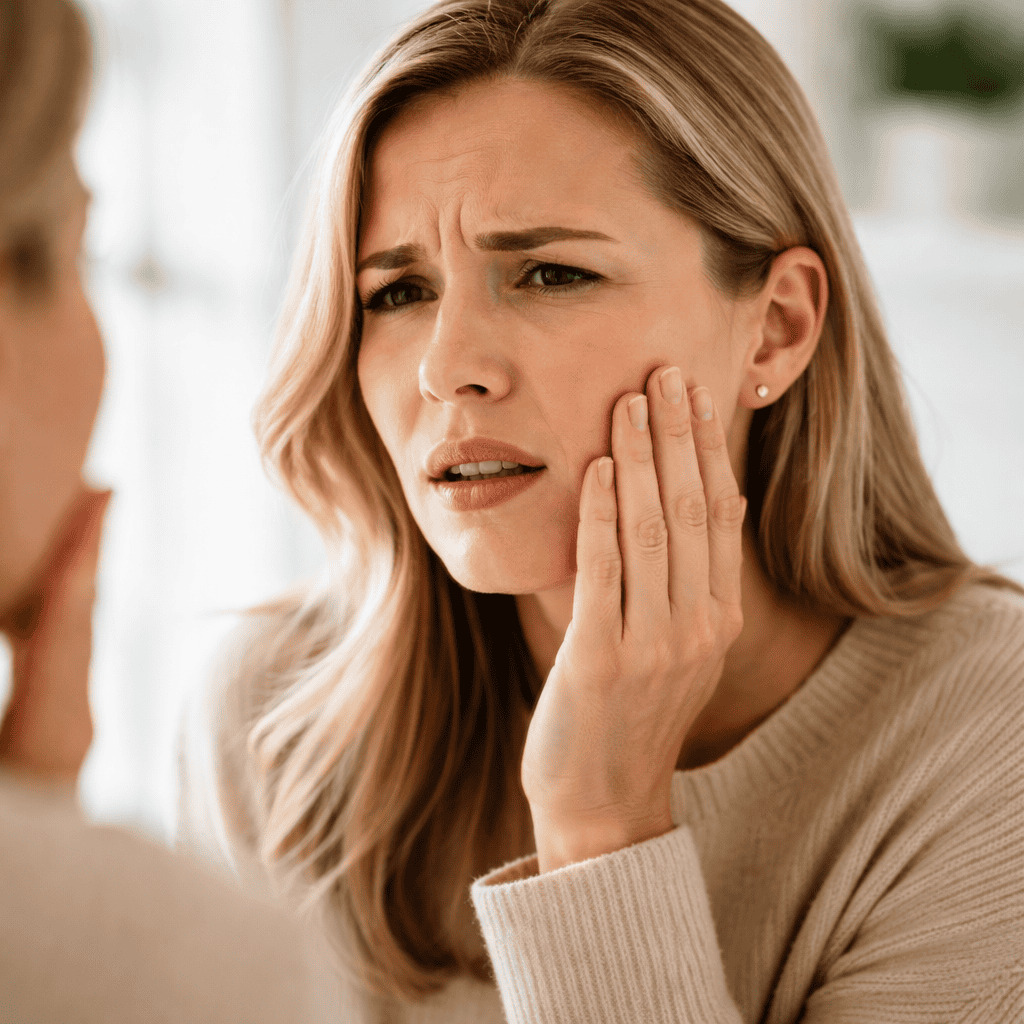
Sudden tooth sensitivity can arise from several factors, primarily involving the exposure of the tooth's inner layers. Common causes include "enamel erosion", gum recession, and dental nerve inflammation. Understanding these causes is crucial for effective management and treatment. Early recognition of these issues can prevent further complications and ensure timely intervention.
How Does Enamel Erosion Lead to Tooth Sensitivity?
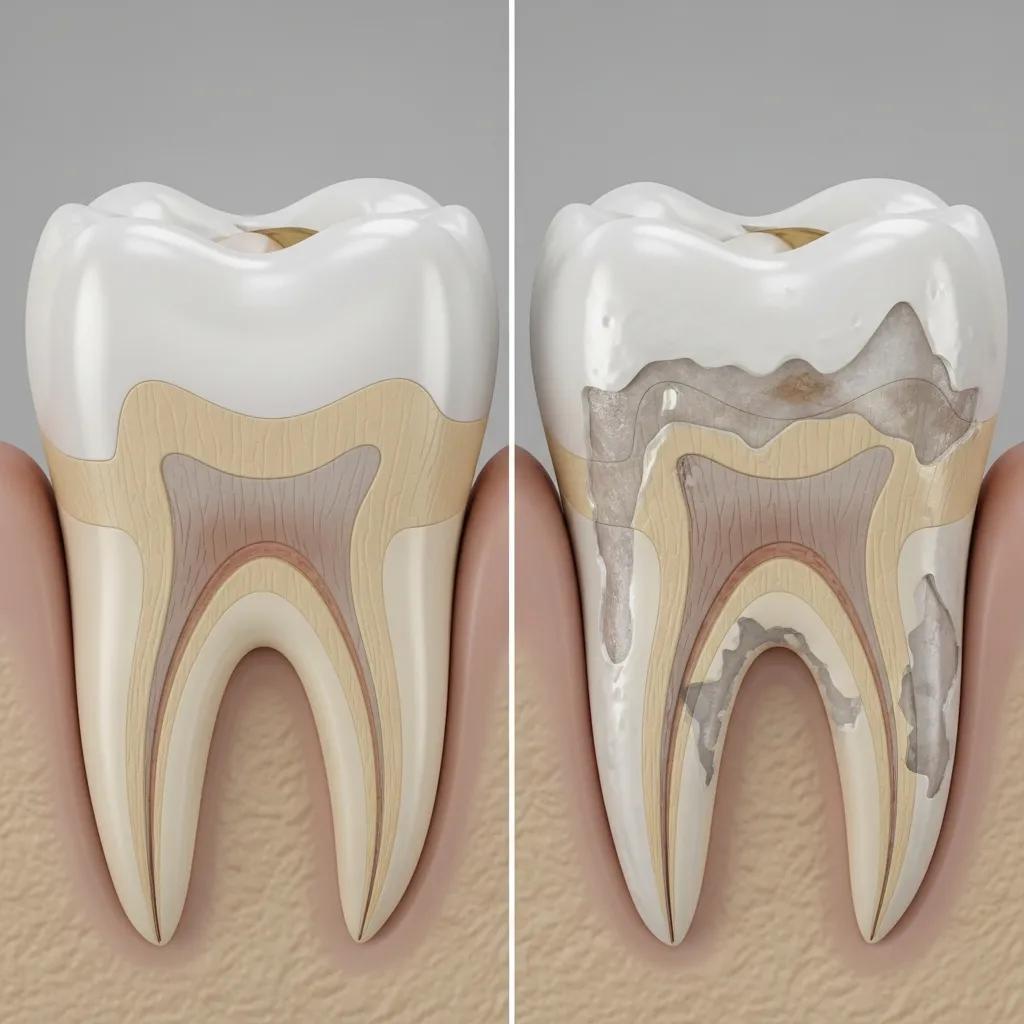
Enamel erosion occurs when the protective outer layer of the tooth wears away, exposing the underlying dentin. This process can be accelerated by acidic foods, beverages, and poor oral hygiene. When dentin is exposed, it can lead to heightened sensitivity, especially when consuming hot, cold, or sweet substances. The loss of enamel not only increases sensitivity but also makes teeth more susceptible to decay and other dental issues.
Further research elaborates on the precise mechanisms by which exposed dentin causes pain, often attributed to the hydrodynamic theory.
Dentin Hypersensitivity: Pathogenesis, Diagnosis & Management
Though dentin hypersensitivity (DHS) is one of the most common complaints from patients in dental clinics, there are no universally accepted guidelines for differential diagnosis as well as selection of reliable treatment modalities for this condition. The neurosensory mechanisms underlying DHS remain unclear, but fluid movements within exposed dentinal tubules, i.e., the hydrodynamic theory, has been a widely accepted explanation for DHS pain.
Pathogenesis, diagnosis and management of dentin hypersensitivity: an evidence-based overview for dental practitioners, XX Liu, 2020
Can Gum Recession Cause Sudden Tooth Pain?
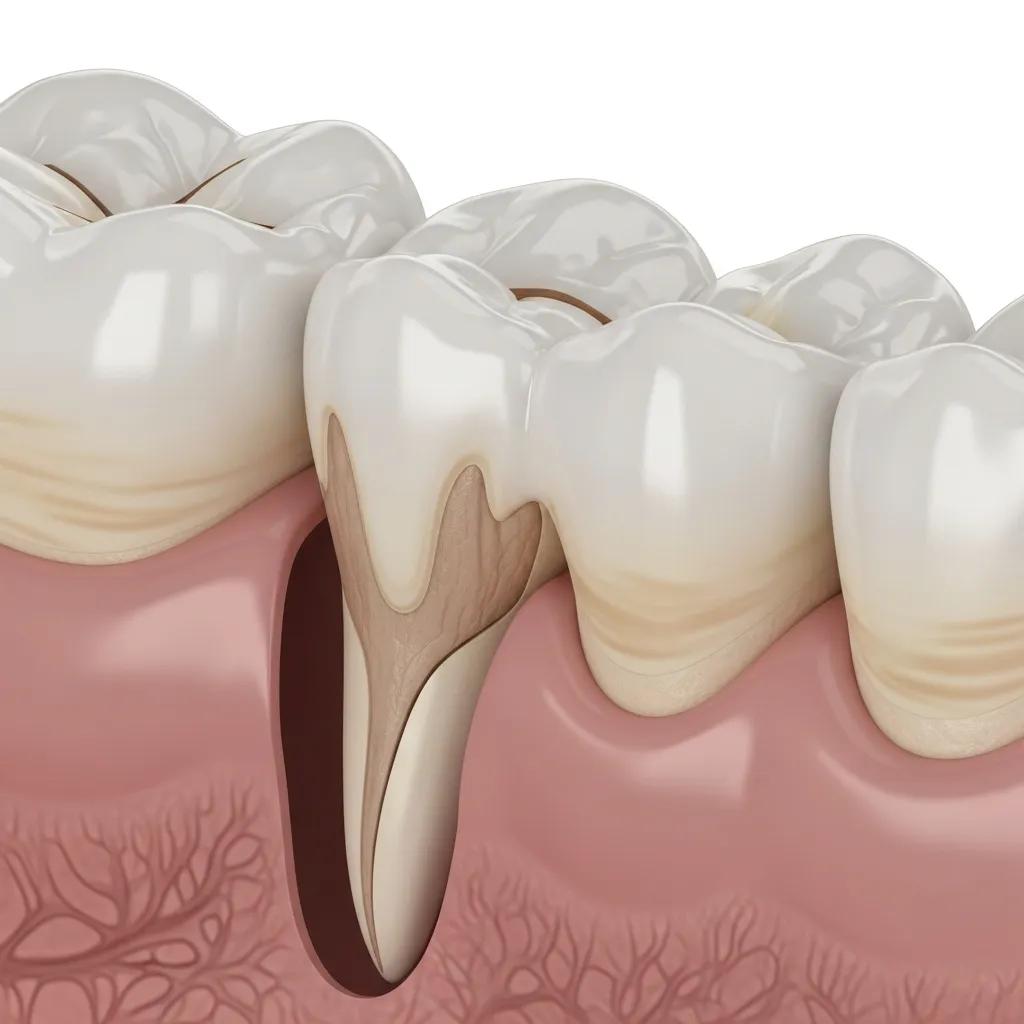
Gum recession is another significant contributor to sudden tooth sensitivity. When gums recede, the roots of the teeth become exposed, which can lead to discomfort and pain. This condition can be caused by aggressive brushing, periodontal disease, or genetic factors. The exposed root surfaces lack the protective enamel, making them more sensitive to temperature changes and pressure. Recognizing the signs of gum recession early can help in seeking appropriate treatment to prevent further damage.
What Symptoms Indicate Dental Sensitivity and When to Seek Help?
Identifying the symptoms of dental sensitivity is essential for determining when to seek professional help. Common indicators include sharp pain or discomfort when consuming hot or cold foods, sensitivity to sweet substances, and lingering pain after exposure to stimuli. Understanding these symptoms can guide individuals in recognizing when their sensitivity may require dental evaluation.
How to Recognize Dental Sensitivity Symptoms Early
Early recognition of dental sensitivity symptoms can significantly impact treatment outcomes. Individuals should be aware of the following signs:
- Sharp Pain: Sudden, sharp pain when consuming hot or cold foods.
- Lingering Discomfort: Pain that persists after the stimulus is removed.
- Sensitivity to Sweetness: Discomfort when consuming sugary foods or drinks.
Being proactive in recognizing these symptoms can lead to timely dental visits and effective management strategies.
When Should You Book a Dental Examination for Sudden Tooth Pain?
It is advisable to book a dental examination with professionals such as Dr. Richard Malek at The Harmony Dental Group if sensitivity persists for more than a few days or is accompanied by other symptoms such as swelling or bleeding gums. Additionally, if the sensitivity is severe enough to interfere with daily activities, seeking professional help is crucial. Early intervention can prevent more serious dental issues and provide relief from discomfort.
What Treatment Options Are Available for Sensitive Teeth at dental practices?
At dental practices like The Harmony Dental Group, various treatment options are available for managing sudden tooth sensitivity. These treatments are designed to address the underlying causes and provide relief from discomfort. Professional evaluation by experts such as Dr. Richard Malek is essential to determine the most appropriate course of action for each individual.
How Do Desensitizing Treatments Relieve Tooth Sensitivity?
Desensitizing treatments work by blocking the transmission of pain signals from the tooth surface to the nerve endings. These treatments often involve the application of fluoride varnishes or desensitizing agents that help to strengthen enamel and reduce sensitivity. Regular use of these treatments can lead to significant improvements in comfort and overall dental health.
What Are the Benefits of Professional Dental Care for Tooth Pain Relief?
Seeking professional dental care from specialists like Dr. Richard Malek at The Harmony Dental Group offers several benefits for individuals experiencing tooth sensitivity. These include:
- Personalized Treatment Plans: Tailored approaches based on individual needs and dental conditions.
- Comprehensive Evaluations: Thorough examinations to identify underlying issues contributing to sensitivity.
- Access to Advanced Treatments: Availability of the latest desensitizing agents and techniques for effective relief.
Professional care not only addresses immediate discomfort but also promotes long-term dental health.
How Can You Prevent Sudden Tooth Sensitivity and Manage Symptoms at Home?
Preventing sudden tooth sensitivity involves adopting good oral hygiene practices and making lifestyle adjustments. By being proactive, individuals can reduce their risk of developing sensitivity and maintain optimal dental health.
What Home Care Tips Reduce Dental Sensitivity?
To manage symptoms of tooth sensitivity at home, consider the following tips:
- Use Desensitizing Toothpaste: Regular use can help block pain signals and reduce sensitivity.
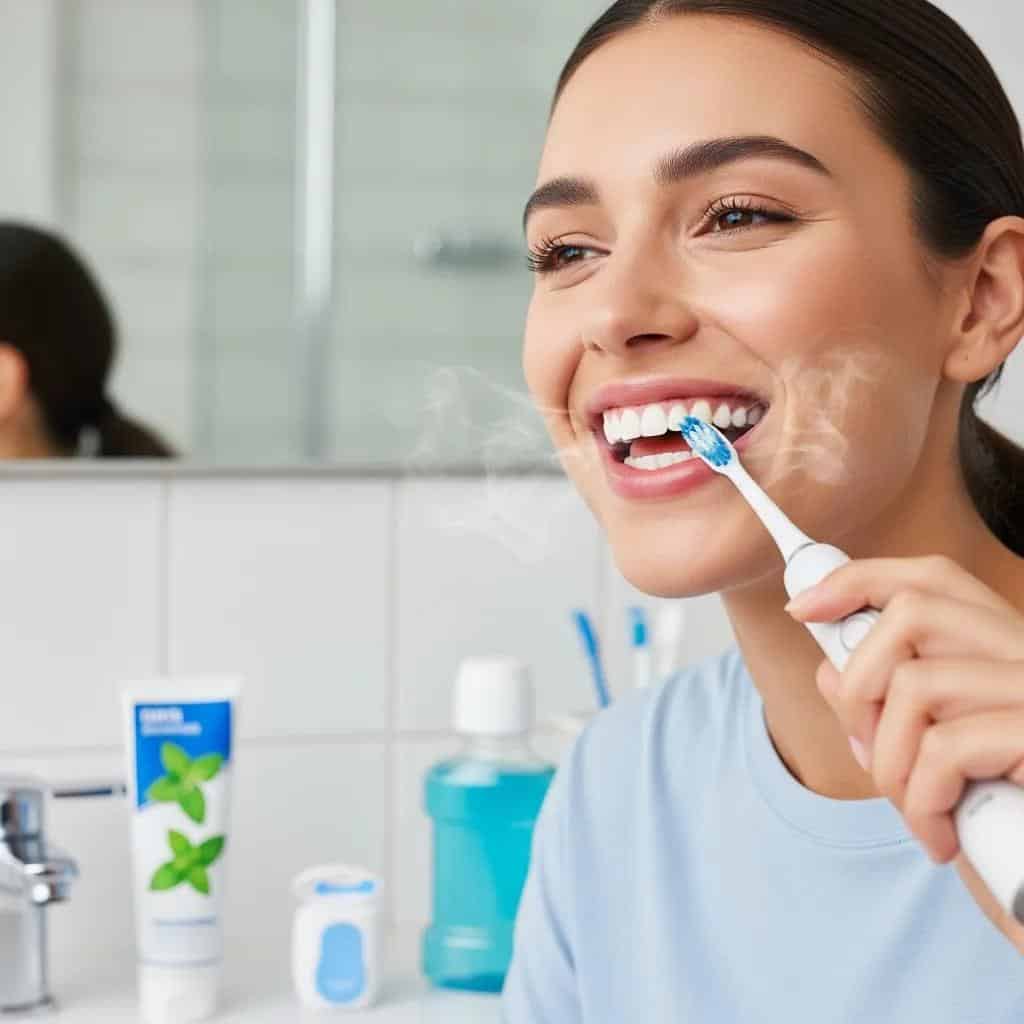
- Practice Gentle Brushing: Avoid aggressive brushing techniques that can contribute to enamel erosion and gum recession.
- Limit Acidic Foods: Reducing the intake of acidic foods and beverages can help protect enamel.
Implementing these strategies can significantly alleviate discomfort and promote better oral health.
Which Lifestyle Changes Help Protect Against Enamel Erosion?
Making certain lifestyle changes can also help protect against "enamel erosion":
- Stay Hydrated: Drinking plenty of water can help neutralize acids in the mouth.
- Chew Sugar-Free Gum: This can stimulate saliva production, which helps protect enamel.
- Regular Dental Check-Ups: Routine visits to the dentist, such as those at The Harmony Dental Group with Dr. Richard Malek, can help identify and address potential issues before they escalate.
By incorporating these changes into daily routines, individuals can better protect their teeth from sensitivity and maintain overall dental health.
Frequently Asked Questions
What lifestyle factors can contribute to sudden tooth sensitivity?
Lifestyle factors such as diet, oral hygiene practices, and habits can significantly influence tooth sensitivity. Consuming acidic foods and beverages, like citrus fruits and soda, can erode enamel over time. Additionally, poor oral hygiene can lead to gum disease, which may cause gum recession and expose sensitive tooth roots. Habits like teeth grinding or using a hard-bristled toothbrush can also exacerbate sensitivity. Being mindful of these factors and making necessary adjustments can help mitigate the risk of developing sudden tooth sensitivity.
Are there any home remedies for managing tooth sensitivity?
While professional treatment is often necessary for severe cases, several home remedies can help manage mild tooth sensitivity. Rinsing with warm salt water can reduce inflammation and discomfort. Applying a mixture of clove oil and olive oil to the affected area may provide temporary relief due to clove oil's natural analgesic properties. Additionally, using a soft-bristled toothbrush and avoiding extreme temperatures in food and drinks can help minimize sensitivity. However, it's essential to consult a dentist if symptoms persist.
How does stress affect dental health and sensitivity?
Stress can have a significant impact on dental health, potentially leading to increased tooth sensitivity. During stressful periods, individuals may grind their teeth (bruxism) or neglect oral hygiene, both of which can contribute to enamel wear and gum recession. Additionally, stress can lead to poor dietary choices, such as increased sugar intake, which can further exacerbate dental issues. Managing stress through relaxation techniques and maintaining a consistent oral care routine can help protect against sensitivity and other dental problems.
Can certain medications cause tooth sensitivity?
Yes, certain medications can contribute to tooth sensitivity as a side effect. For instance, medications that cause dry mouth, such as antihistamines or some antidepressants, can reduce saliva production, leading to an increased risk of enamel erosion and sensitivity. Additionally, some medications used for cancer treatment can affect oral health, making teeth more sensitive. If you suspect your medication is affecting your dental health, consult your healthcare provider or dentist for advice on managing these side effects.
What role does fluoride play in preventing tooth sensitivity?
Fluoride plays a crucial role in preventing tooth sensitivity by strengthening tooth enamel and making it more resistant to acid attacks from bacteria and dietary sources. Fluoride treatments, such as varnishes or gels applied by dental professionals, can help remineralize areas of enamel that have begun to erode. Additionally, using fluoride toothpaste at home can provide ongoing protection against sensitivity. Regular fluoride exposure can significantly reduce the risk of developing sensitivity and improve overall dental health.
How often should I visit the dentist to prevent tooth sensitivity?
Regular dental check-ups are essential for preventing tooth sensitivity and maintaining overall oral health. It is generally recommended to visit the dentist every six months for a routine examination and cleaning. However, individuals with a history of dental issues or sensitivity may benefit from more frequent visits. During these appointments, your dentist can identify early signs of enamel erosion, gum recession, or other problems, allowing for timely intervention and personalized care to prevent sensitivity from developing.
Conclusion
Understanding the causes and treatments for sudden tooth sensitivity is essential for maintaining optimal dental health. By recognizing symptoms early and seeking professional care, individuals can effectively manage discomfort and prevent further complications. Implementing preventive measures and home care tips can significantly enhance oral well-being. Schedule a consultation with Dr. Richard Malek at The Harmony Dental Group to explore personalized solutions for your dental sensitivity today.
____________________________________________________________________________________________________
About The Harmony Dental Group: The Harmony Dental Group is a trusted dental practice committed to providing comprehensive and compassionate dental care. With a focus on patient comfort and advanced treatment options, their experienced team, led by Dr. Richard Malek, strives to help patients achieve and maintain optimal oral health through personalized care and the latest dental technologies.