
Professional Teeth Whitening Norwalk CT: What Works, What Doesn’t, and What’s Safe
Teeth whitening has become a popular cosmetic dental procedure, enhancing smiles and boosting confidence. This comprehensive guide explores the various methods of teeth whitening, their effectiveness, and safety considerations. Understanding the nuances of teeth whitening is essential for anyone looking to achieve a brighter smile without compromising dental health. Many individuals face challenges with teeth discoloration due to various factors, and finding a safe and effective solution is crucial. This article will delve into the causes of teeth discoloration, the most effective professional whitening methods available in Norwalk, CT, safe at-home options, and common myths surrounding teeth whitening.
Research consistently supports the effectiveness and safety of various professional and at-home teeth whitening procedures when properly applied.
Professional Teeth Whitening: Efficacy & Safety Review
this review aimed to evaluate the greater effectiveness of in-office, at-home, and combined bleaching procedures, as well as their safety. The results showed that all the procedures were effective in whitening teeth and have been shown to be safe at the systemic level, with some local side effects such as tooth sensitivity and gingival irritation.
Evaluation of the Effectiveness of Different Types of Professional Tooth Whitening: A Systematic Review, G Rederiene, 2024
What Causes Teeth Discoloration and How Does It Affect Whitening?
Teeth discoloration can occur due to various factors, including dietary choices, aging, and oral hygiene practices. Understanding the types of stains is essential for determining the most effective whitening approach. Discoloration can be categorized into extrinsic and intrinsic stains, each requiring different treatment methods.
What Are Extrinsic and Intrinsic Teeth Stains?
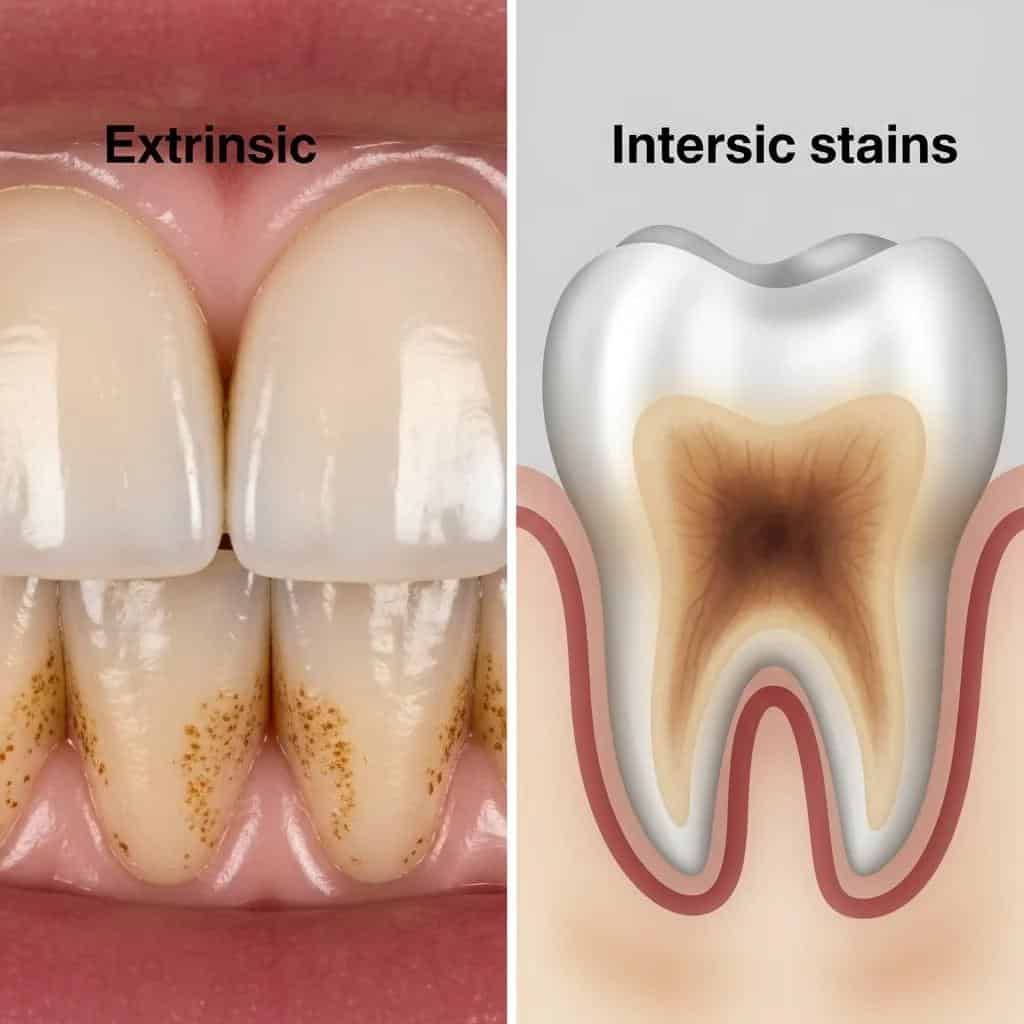
Extrinsic stains are surface-level discolorations caused by external factors such as food, beverages, and tobacco use. Common culprits include coffee, tea, red wine, and smoking. These stains can often be removed through professional cleaning or whitening treatments. Intrinsic stains, on the other hand, originate from within the tooth, often due to factors like aging, trauma, or certain medications such as tetracycline. These stains are typically more challenging to treat and may require specialized whitening techniques.
Further research elaborates on the distinct origins of tooth discoloration, classifying them to guide appropriate treatment.
Understanding Tooth Staining: Causes & Treatment Options
The purpose of this article is to review the etiologic factors and relevant treatment modalities for tooth staining. Tooth discoloration is generally divided into two main categories for tooth discoloration as extrinsic or intrinsic and can be further subdivided based on the location of the stain lesion.
Tooth staining: A review of etiology and treatment modalities, Y Kapadia, 2018
Which Professional Teeth Whitening Methods Are Most Effective in Norwalk, CT?
Professional teeth whitening methods offer significant advantages over at-home treatments, including faster results and more effective stain removal. In Norwalk, CT, several methods are available, each with its unique benefits and considerations.
How Does Solea® Laser Whitening Enhance Results and Comfort?
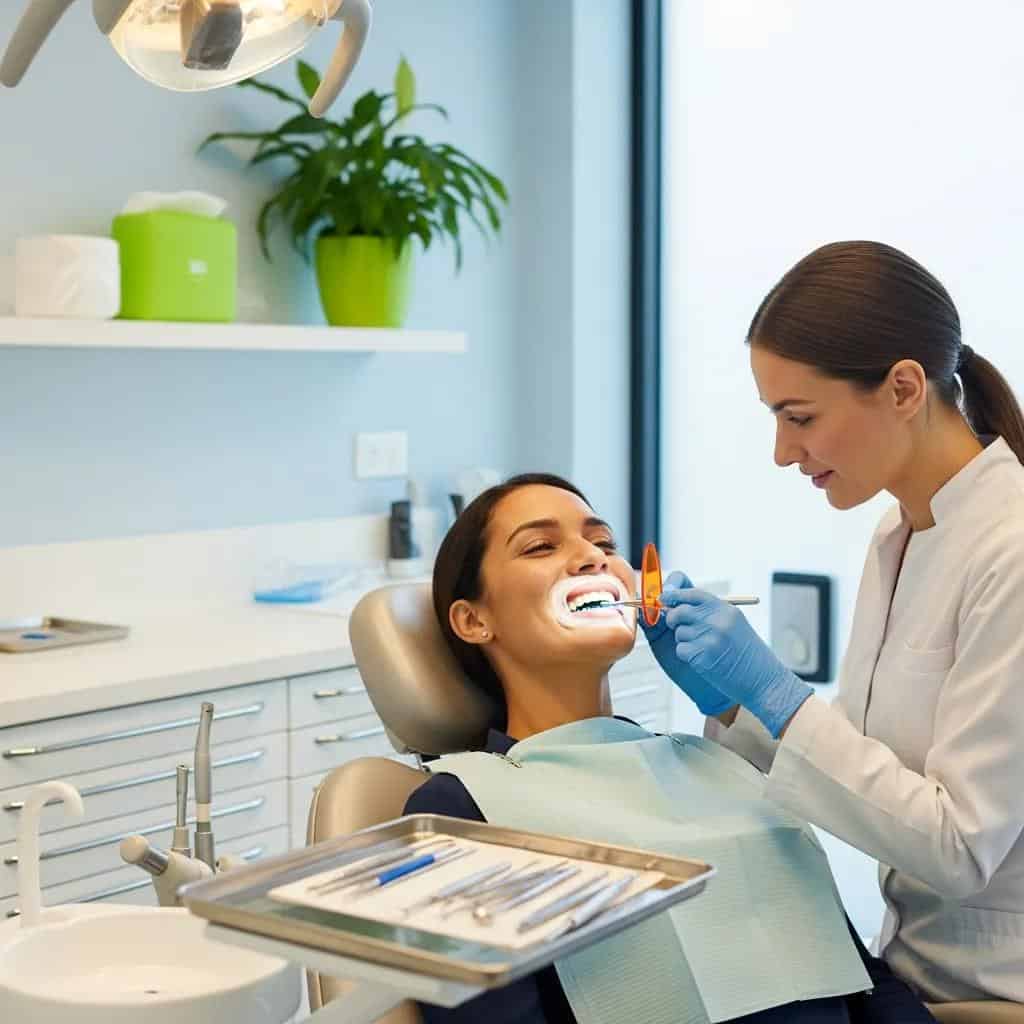
Solea® Laser Whitening is a cutting-edge technology that enhances the teeth whitening experience. This method utilizes a CO2 laser to activate the whitening agent, resulting in quicker and more effective results. Patients often report less discomfort compared to traditional whitening methods, making it an appealing option for those with sensitive teeth. The precision of the laser also allows for targeted treatment, minimizing the risk of gum irritation.
This table illustrates the effectiveness and safety of various professional whitening methods, highlighting the advantages of Solea® Laser Whitening.
What Are Safe and Effective At-Home Teeth Whitening Options?
At-home teeth whitening products can be a convenient and cost-effective way to achieve a brighter smile. However, not all products are created equal, and safety should always be a priority.
Which At-Home Whitening Products Should Be Avoided for Safety?
Certain at-home whitening products can pose risks to dental health. For instance, charcoal-based whitening products can be abrasive and may damage enamel if used excessively. Additionally, DIY whitening methods, such as using baking soda or lemon juice, can lead to tooth sensitivity and enamel erosion if not used properly. It is essential to choose products that are ADA-approved or recommended by dental professionals to ensure safety and effectiveness.
How Can Teeth Whitening Be Safely Performed for Sensitive Teeth?
Individuals with sensitive teeth often worry about the discomfort associated with whitening treatments. Fortunately, there are techniques and products designed to minimize sensitivity while still achieving effective results.
What Techniques and Products Reduce Whitening-Related Sensitivity?
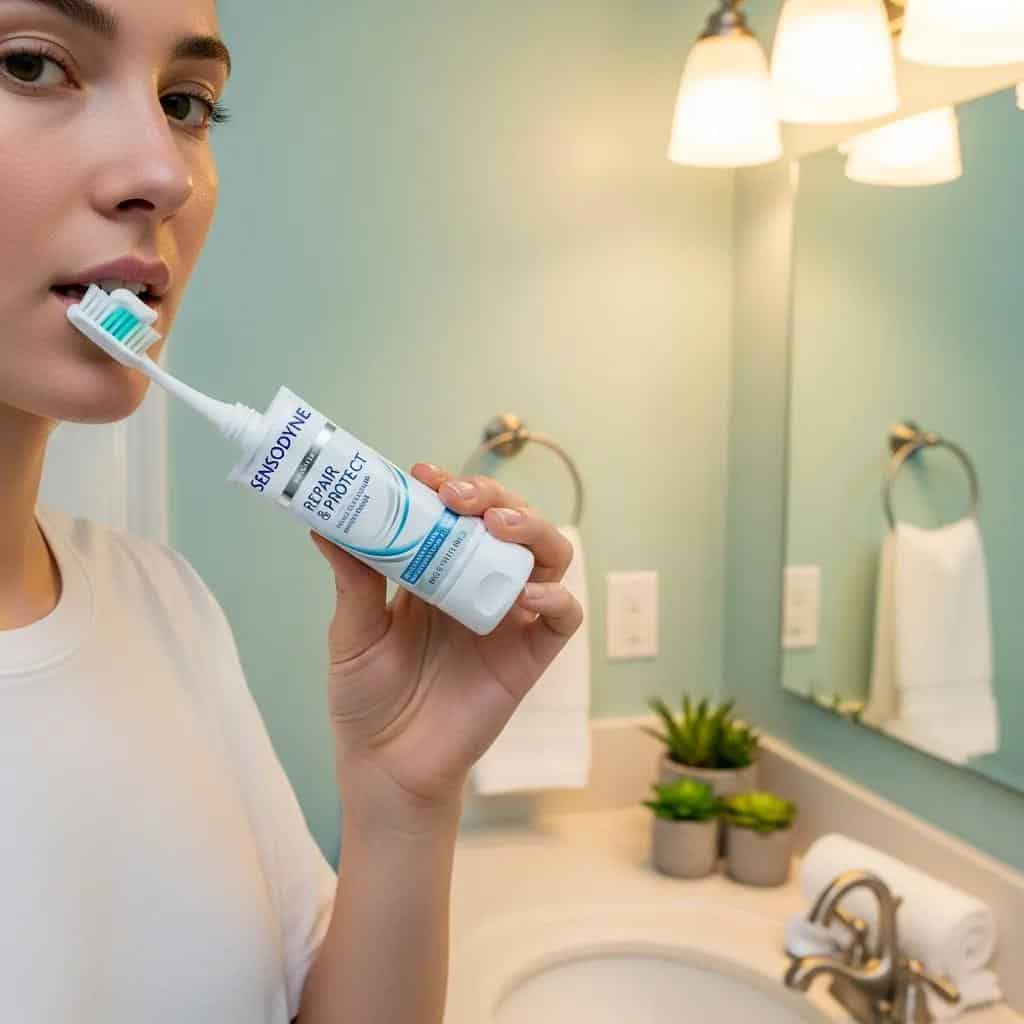
To reduce sensitivity during whitening, consider using desensitizing toothpaste before and after treatment. Additionally, professional whitening treatments can be tailored to include desensitizing agents, ensuring a more comfortable experience. It is also advisable to avoid highly concentrated whitening products or to use them under professional supervision if you have a history of sensitivity.
What Are Common Myths and Facts About Teeth Whitening Safety and Efficacy?
Misconceptions about teeth whitening can lead to confusion and potentially unsafe practices. Understanding the facts is crucial for making informed decisions about whitening options.
How Does Dentist Supervision Ensure Safe Whitening Procedures?
Dentist supervision is vital for ensuring the safety and efficacy of teeth whitening procedures. Professionals can assess individual needs, recommend appropriate treatments, and monitor for any adverse reactions. This oversight helps mitigate risks associated with overuse of whitening products and ensures that patients achieve optimal results without compromising their dental health.
Indeed, extensive research confirms that peroxide-based whitening is generally safe and effective when applied correctly, though improper use can lead to adverse effects.
Peroxide-Based Teeth Whitening: Safety & Side Effects
Data accumulated during the last two decades demonstrate that, when used properly, peroxide-based tooth whitening is safe and effective. The most commonly seen side effects are tooth sensitivity and gingival irritation, which are usually mild to moderate and transient. So far there is no evidence of significant health risks associated with tooth whitening; however, potential adverse effects can occur with inappropriate application, abuse, or the use of inappropriate whitening products.
Safety issues of tooth whitening using peroxide-based materials, 2013
What Are the Benefits of Choosing The Harmony Dental Group for Teeth Whitening?
Choosing The Harmony Dental Group for teeth whitening offers several advantages. Led by Dr. Richard Malek, the practice utilizes advanced technology and personalized care to ensure optimal results. Patients benefit from a comprehensive approach that prioritizes safety and effectiveness, making it a trusted choice for those seeking professional teeth whitening in Norwalk, CT. The practice’s family-friendly environment and commitment to patient satisfaction further enhance the overall experience.
In conclusion, understanding the various aspects of teeth whitening, from causes of discoloration to effective methods and safety considerations, is essential for anyone looking to enhance their smile. With the right information and professional guidance, achieving a brighter, healthier smile is within reach.
Frequently Asked Questions
1. How long do the results of professional teeth whitening last?
The longevity of professional teeth whitening results can vary based on individual habits and oral care. Generally, results can last from six months to two years. Factors such as diet, smoking, and oral hygiene practices play a significant role in how quickly teeth may become discolored again. To maintain a brighter smile, it’s advisable to avoid staining foods and beverages, practice good oral hygiene, and consider touch-up treatments as recommended by your dentist.
2. Are there any side effects associated with teeth whitening?
While teeth whitening is generally safe, some individuals may experience side effects such as tooth sensitivity and gum irritation. These effects are usually temporary and can be managed with desensitizing toothpaste or by adjusting the whitening treatment. It’s important to consult with a dental professional to discuss any concerns and to ensure that the chosen whitening method is appropriate for your dental health.
3. Can teeth whitening damage enamel?
When performed correctly, teeth whitening should not damage enamel. However, overuse of whitening products or using highly concentrated formulas without professional guidance can lead to enamel erosion. It’s crucial to follow the instructions provided by dental professionals and to choose products that are ADA-approved to minimize risks. Regular dental check-ups can also help monitor enamel health during whitening treatments.
4. Is teeth whitening safe for everyone?
Teeth whitening is generally safe for most individuals, but certain conditions may require caution. Pregnant or nursing women, individuals with sensitive teeth, or those with specific dental issues such as cavities or gum disease should consult their dentist before undergoing whitening treatments. A dental professional can assess individual circumstances and recommend the safest options tailored to each person's needs.
5. How often can I safely whiten my teeth?
The frequency of teeth whitening depends on the method used and individual dental health. For professional treatments, dentists typically recommend waiting at least six months between sessions to avoid potential sensitivity and enamel damage. At-home whitening kits may have different guidelines, so it’s essential to follow the instructions provided. Consulting with a dentist can help determine the best schedule for maintaining a bright smile safely.
6. What should I do if I experience sensitivity after whitening?
If you experience sensitivity after teeth whitening, it’s advisable to use desensitizing toothpaste and avoid extremely hot or cold foods and beverages for a few days. If sensitivity persists, consult your dentist, who may recommend adjusting the whitening treatment or using products specifically designed to minimize discomfort. It’s important to communicate any side effects to ensure a comfortable and effective whitening experience.
7. Are there any natural alternatives to professional teeth whitening?
While there are natural alternatives to professional teeth whitening, such as baking soda or activated charcoal, their effectiveness and safety can vary. Some natural methods may not provide the desired results and can potentially harm enamel if used improperly. It’s best to consult with a dental professional before trying natural whitening methods to ensure they are safe and suitable for your dental health.
Conclusion
Achieving a brighter smile is possible through a variety of safe and effective teeth whitening methods, whether professional or at-home. Understanding the causes of discoloration and the options available empowers individuals to make informed choices that enhance their confidence. By choosing The Harmony Dental Group, patients can benefit from advanced technology and personalized care tailored to their needs. Discover how you can transform your smile today by scheduling a consultation with us.
About The Harmony Dental Group
The Harmony Dental Group, led by the experienced Dr. Richard Malek, is dedicated to providing exceptional dental care in Norwalk, CT. Our practice prides itself on utilizing advanced technology, such as Solea® Laser Whitening, to deliver superior results with enhanced patient comfort. We offer personalized care plans, ensuring that each patient's unique needs and concerns are addressed. Our commitment to a family-friendly environment and unwavering patient satisfaction makes us a trusted choice for comprehensive dental services, including professional teeth whitening.