

The Hidden Cost of Avoiding the Dentist: Understanding Dental Anxiety and Its Impact on Your Health and Finances
Dental anxiety is a common issue that affects many individuals, leading them to avoid necessary dental visits. This avoidance can have significant consequences, not only for oral health but also for overall well-being and finances. In this article, we will explore the hidden costs associated with neglecting dental care, including the long-term health risks and financial implications. We will also discuss how dental anxiety influences these decisions and what can be done to overcome it. By understanding these factors, readers can make informed choices about their dental health and recognize the importance of regular checkups.
What Are the Consequences of Skipping Dental Visits?
Neglecting dental visits can lead to severe consequences for both oral and systemic health. Regular checkups are essential for maintaining oral hygiene and preventing serious dental issues. When individuals skip these visits, they risk developing cavities, gum disease, and other oral health problems that can escalate into more significant health concerns. Additionally, the financial burden of emergency treatments can be substantial, making it crucial to understand the long-term implications of avoiding the dentist.
Indeed, the broader economic and public health implications of limited access to dental care are a significant global concern.
Global Challenges & Economic Impact of Dental Care Access
Access to dental care services remains a global challenge, with millions encountering barriers that hinder their utilization, despite the recognized importance of oral health to overall well-being. The intricate relationship between oral health and general well-being highlights the severe impact of oral disorders on global economies and public health systems when access barriers exist.
Patients perceived challenges in seeking dental care in Komfo Anokye Teaching Hospital, KA Okyere Boadu, 2025
How Does Avoidance Affect Long-Term Oral Health?
Avoiding dental visits can result in a range of oral health issues, including cavities and gum disease. These conditions not only cause discomfort but can also lead to more extensive treatments, such as root canals or extractions. The longer one delays dental care, the more likely they are to experience complications that require costly interventions. Furthermore, neglecting oral health can impact overall health, as oral diseases are linked to systemic conditions like heart disease and diabetes.
What Systemic Health Risks Arise from Neglecting Dental Care?
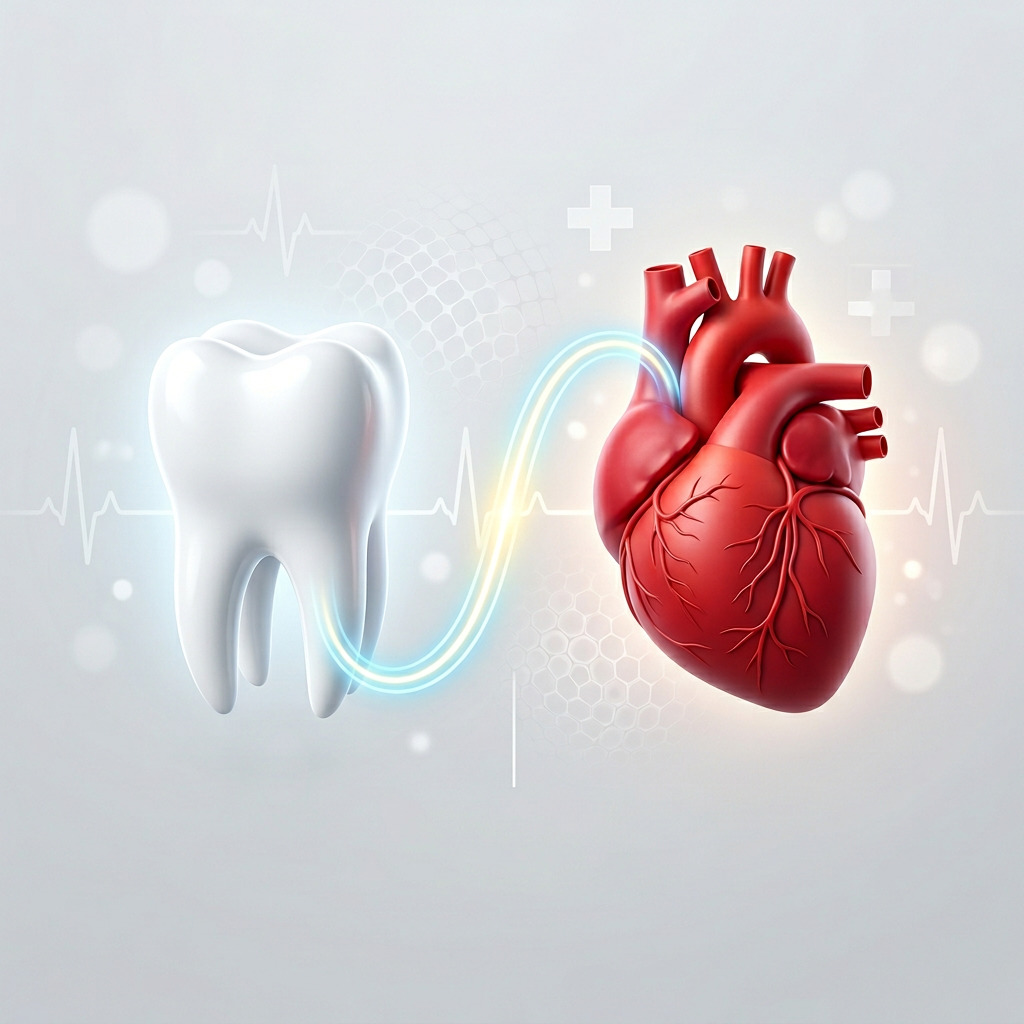
The connection between oral health and systemic health is well-documented. Poor dental hygiene can lead to systemic health issues, including heart disease, diabetes complications, and respiratory problems. For instance, bacteria from gum disease can enter the bloodstream, increasing the risk of cardiovascular diseases. Understanding these systemic health risks highlights the importance of regular dental visits in maintaining overall health.
Research further supports the critical link between oral bacteria and serious systemic conditions like cardiovascular disease.
Oral Bacteria's Link to Cardiovascular Disease
Our results suggest a potential connection between the presence of specific species of oral bacterial and occurrence of CVDs. Detecting these oral bacterial species in non-oral sites of patients with CVDs could help uncover the link between oral health and general health, including cardiovascular conditions via bacterial translocation.
Exploring the presence of oral bacteria in non-oral sites of patients with cardiovascular diseases using whole metagenomic data, A Chopra, 2024
How Does Dental Anxiety Influence Your Decision to Avoid the Dentist?
Dental anxiety is a significant factor that prevents many individuals from seeking necessary dental care. This fear can stem from various sources, including previous negative experiences, fear of pain, or even media portrayals of dental procedures. Recognizing the root causes of dental anxiety is essential for addressing it effectively and encouraging individuals to prioritize their dental health.
What Causes Dental Fear and How Does It Affect Patients?
Common causes of dental fear include past traumatic experiences, fear of pain, and anxiety about the unknown. These fears can lead to avoidance behaviors, where individuals postpone or cancel appointments, exacerbating their dental issues. Understanding these psychological factors is crucial for developing strategies to help patients overcome their fears and seek the care they need.
What Are Effective Dental Anxiety Treatment Options?
There are several effective treatment options available for managing dental anxiety. Cognitive-behavioral therapy (CBT) can help patients reframe their thoughts about dental visits, while sedation dentistry offers a way to minimize discomfort during procedures. Additionally, relaxation techniques, such as deep breathing exercises, can help patients feel more at ease in the dental chair. By exploring these options, individuals can find ways to manage their anxiety and improve their dental health.
What Are the Financial and Emotional Costs of Dental Fear and Avoidance?
The financial implications of avoiding dental care due to anxiety can be significant. Skipping regular checkups often leads to more severe dental issues that require expensive treatments. Additionally, the emotional toll of dental anxiety can affect a person's quality of life, leading to stress and anxiety that extends beyond the dental office.
How Does Skipping Checkups Increase Treatment Expenses?
Neglecting regular dental checkups can result in increased treatment expenses over time. Emergency treatments for advanced dental issues are often much more costly than preventive care. For example, a routine cleaning and checkup may cost significantly less than a root canal or extraction. By prioritizing regular visits, individuals can save money in the long run and maintain better oral health.
What Is the Psychological Impact of Dental Anxiety?
The psychological impact of dental anxiety can be profound, affecting not only an individual's mental health but also their social interactions. High levels of stress and anxiety can lead to avoidance of social situations, impacting relationships and overall well-being. Addressing dental anxiety is essential for improving both mental health and dental outcomes.
The pervasive nature of dental anxiety extends beyond the dental chair, significantly impacting various aspects of daily life.
The Broad Impact of Dental Anxiety on Daily Life
Five main impacts of dental anxiety were identified: physiological; cognitive; behavioural; health; and social. Subsumed under these broad categories were: the fright response; a vast array of negative thoughts, feelings and fears; avoidance behaviour and behaviours related to eating, oral hygiene, and self-medication; and other manifestations of anxiety in the dental environment including muscular tension, crying and aggression were all identified. Dental anxiety was also found to disturb sleep and to have a profound affect socially, interfering with work and personal relationships.
The impact of dental anxiety on daily living, JT Newton, 2000

How Can Regular Dental Checkups Benefit Your Oral and Overall Health?
Regular dental checkups provide numerous benefits that extend beyond oral health. These visits allow for early detection of potential issues, which can prevent more severe problems down the line. Additionally, routine care contributes to better overall health by addressing oral health risks that can affect systemic conditions.
What Preventive Care Benefits Do Routine Visits Provide?
Routine dental visits offer several preventive care benefits, including professional cleanings, exams, and fluoride treatments. These services help maintain oral hygiene and prevent the development of cavities and gum disease. Furthermore, dental professionals can identify early signs of oral health issues, allowing for timely intervention and treatment.
How Do Checkups Help Overcome Dental Fear?
Regular dental checkups can help individuals overcome dental fear by fostering a positive relationship with their dentist. Building trust through consistent visits allows patients to become more comfortable with dental procedures. Gradual exposure to dental care, combined with a supportive environment, can significantly reduce anxiety and encourage individuals to prioritize their oral health.
For those seeking comprehensive dental care, The Harmony Dental Group led by Dr. Richard Malek is a family-oriented provider focused on comprehensive oral health services. Regular visits can help you maintain your dental health and address any concerns before they escalate. Prioritizing your dental care is essential for both your oral and overall health.
Conclusion
Understanding the hidden costs of avoiding dental care highlights the importance of regular checkups for both oral and overall health. By addressing dental anxiety and prioritizing visits, individuals can prevent severe health issues and reduce long-term financial burdens. Embracing effective strategies to manage anxiety can lead to a more positive dental experience. Take the first step towards better health by scheduling your next dental appointment today.
Frequently Asked Questions
What are some common signs of dental anxiety?
Dental anxiety can manifest in various ways, including physical symptoms like sweating, rapid heartbeat, and nausea, as well as emotional responses such as fear or dread at the thought of visiting the dentist. Individuals may also experience avoidance behaviors, such as canceling appointments or delaying necessary treatments. Recognizing these signs is crucial for addressing dental anxiety effectively and seeking appropriate support or treatment options to manage these feelings.
How can I find a dentist who understands dental anxiety?
Finding a dentist who is sensitive to dental anxiety involves researching local practices that emphasize patient comfort. Look for reviews or testimonials that mention a compassionate approach to care. Many dental offices offer consultations to discuss concerns and treatment options. Additionally, consider asking friends or family for recommendations, or searching for dentists who specialize in anxiety management techniques, such as sedation dentistry or relaxation methods.
What role does communication play in managing dental anxiety?
Effective communication between patients and dental professionals is vital in managing dental anxiety. Patients should feel comfortable expressing their fears and concerns, allowing dentists to tailor their approach accordingly. Open dialogue can help establish trust, enabling dentists to provide reassurance and explain procedures in detail. This transparency can significantly reduce anxiety and improve the overall dental experience, making it easier for patients to seek necessary care.
Are there any lifestyle changes that can help reduce dental anxiety?
Yes, certain lifestyle changes can help alleviate dental anxiety. Practicing relaxation techniques, such as deep breathing, meditation, or yoga, can reduce overall stress levels. Regular physical activity and a balanced diet also contribute to improved mental health. Additionally, establishing a routine that includes regular dental visits can help normalize the experience, making it less daunting over time. Seeking support from friends or mental health professionals can further aid in managing anxiety.
What should I do if I experience severe dental anxiety?
If you experience severe dental anxiety, it’s important to seek help. Consider speaking with a mental health professional who specializes in anxiety disorders, as they can provide coping strategies and therapeutic techniques. Additionally, discuss your anxiety with your dentist, who may offer sedation options or other accommodations to make your visits more comfortable. Remember, you are not alone, and there are effective ways to manage and overcome dental anxiety.
How can I prepare for a dental visit to minimize anxiety?
Preparing for a dental visit can help minimize anxiety. Start by familiarizing yourself with the dental office environment, perhaps through a pre-visit tour. Write down any questions or concerns you have to discuss with your dentist. Arriving early can also help you acclimate to the setting. Consider bringing a friend or family member for support, and practice relaxation techniques beforehand to help calm your nerves before the appointment.

About The Harmony Dental Group
The Harmony Dental Group is dedicated to providing compassionate, patient-centered dental care for the whole family. With a focus on creating a comfortable and welcoming environment, their experienced team offers a wide range of services from preventive care to advanced restorative treatments. Led by Dr. Richard Malek, the practice emphasizes personalized treatment plans tailored to each patient's unique needs, helping to alleviate dental anxiety and promote lifelong oral health.