
What Nobody Tells You About the Connection Between Gum Disease and Heart Health
Picture this: you walk into your dental office for what you think is a routine cleaning, expecting perhaps a lecture about flossing more consistently. Instead, your dentist, Dr. Malek, asks if you've had your cardiovascular health checked recently. The question catches you off guard. What could your gums possibly have to do with your heart?
The answer might surprise you—and it could fundamentally change how you think about that twice-yearly dental appointment you've been putting off at The Harmony Dental Group.
Most people compartmentalize their health, treating their mouth as something separate from the rest of their body. We visit the dentist for teeth problems and the cardiologist for heart concerns, never imagining these two specialists might need to compare notes. This mental separation has created a dangerous blind spot in how we approach preventive care, one that leaves millions of people vulnerable to health complications they never saw coming.
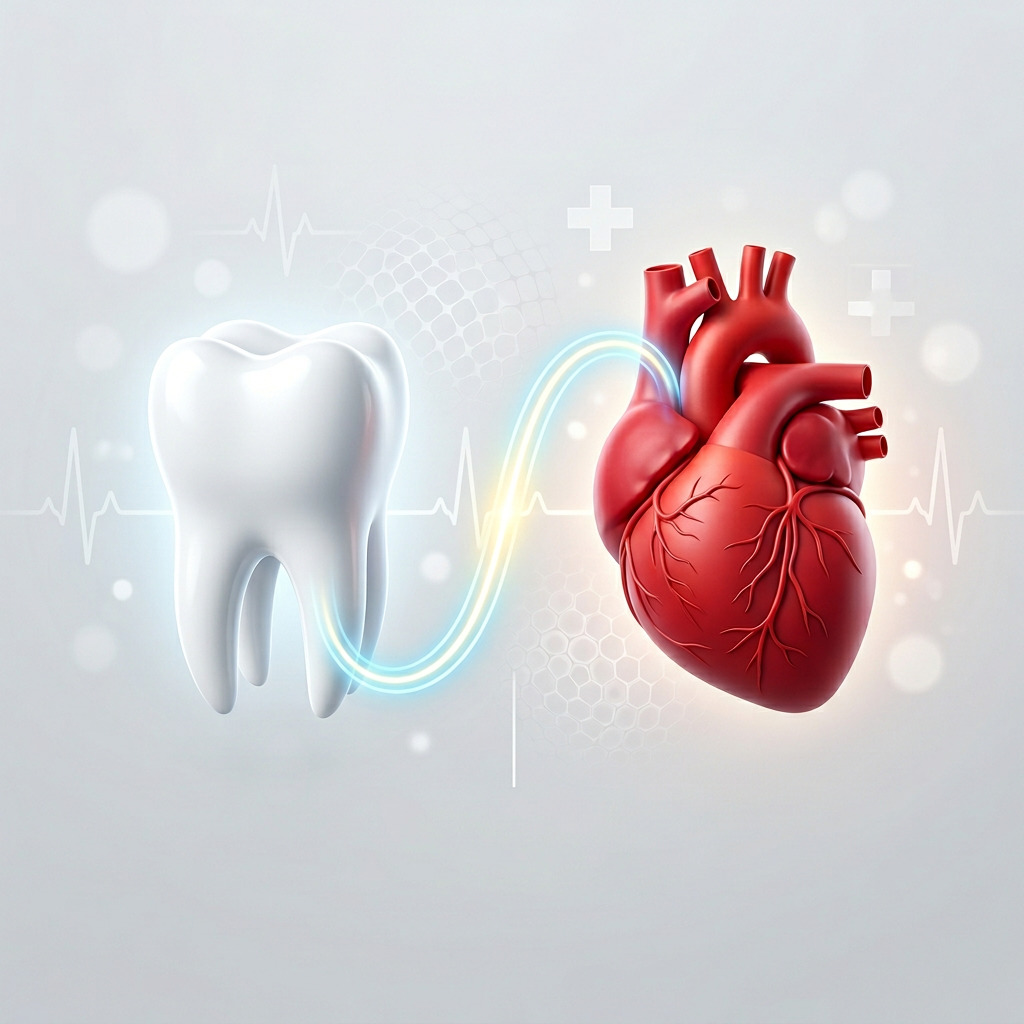
The reality is far more interconnected than most realize. Your mouth isn't an isolated system—it's a gateway to your entire body, and what happens there sends ripples throughout your cardiovascular system in ways that medical science is only beginning to fully appreciate. This connection between oral inflammation and heart health represents one of the most overlooked aspects of preventive medicine, hiding in plain sight during every dental checkup at The Harmony Dental Group.
The Hidden Highway: How Your Mouth Speaks to Your Heart

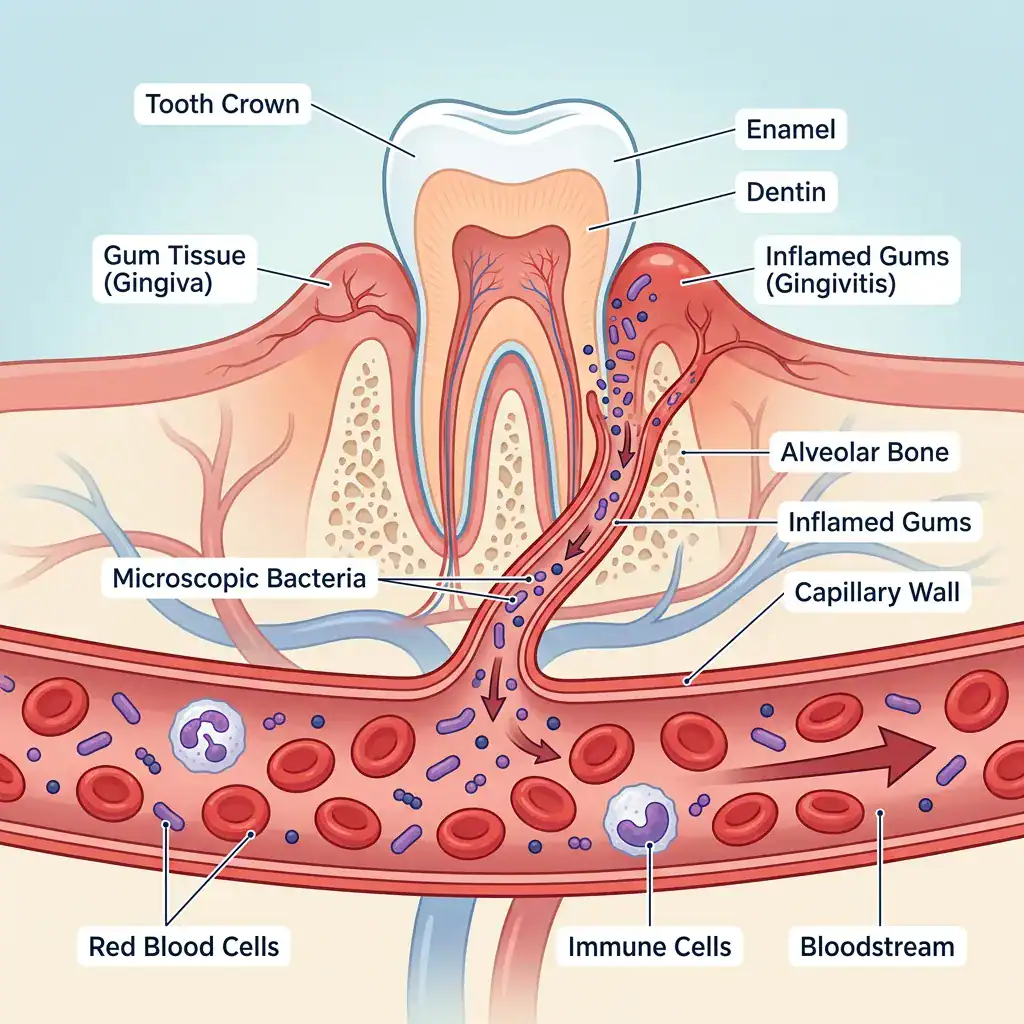
Think of your mouth as the entry point to a complex biological network. When gum disease takes hold, it doesn't stay confined to your teeth and gums. The same bacteria causing inflammation in your mouth can enter your bloodstream through bleeding gums—those areas that bleed when you brush or floss. Once in your circulatory system, these oral bacteria become unwelcome travelers, journeying throughout your body and potentially settling in places they were never meant to be.
The biological mechanism at work here reveals just how intimately connected our body systems truly are. Chronic inflammation in your gums triggers an immune response that doesn't simply target the infection site. Instead, it creates a state of systemic inflammation—your body essentially on high alert, constantly fighting what it perceives as an ongoing threat. This persistent inflammatory state has profound implications for your cardiovascular system.
When oral bacteria circulate through your bloodstream, they can contribute to the formation of arterial plaques. Your body recognizes these bacteria as foreign invaders and sends immune cells to attack them. In the process, this immune response can damage the delicate lining of your blood vessels. Imagine your arteries as highways meant to transport blood smoothly throughout your body. Now picture these highways developing rough patches, areas where debris can accumulate and narrow the passage. This is essentially what happens when chronic oral inflammation meets your cardiovascular system.
The inflammation itself compounds the problem. Inflamed blood vessels become less flexible, less able to expand and contract as needed to regulate blood flow and pressure. Over time, this chronic inflammatory burden takes its toll on your entire circulatory system, affecting how efficiently your heart can do its job of pumping life-sustaining blood throughout your body.
The Warning Signs Your Mouth Is Sending
Your body is constantly communicating with you, sending signals about its internal state. The challenge is learning to recognize these messages before they escalate into more serious concerns. When it comes to the mouth-heart connection, several warning signs deserve your immediate attention—not just for your oral health, but for what they might indicate about your cardiovascular wellness.
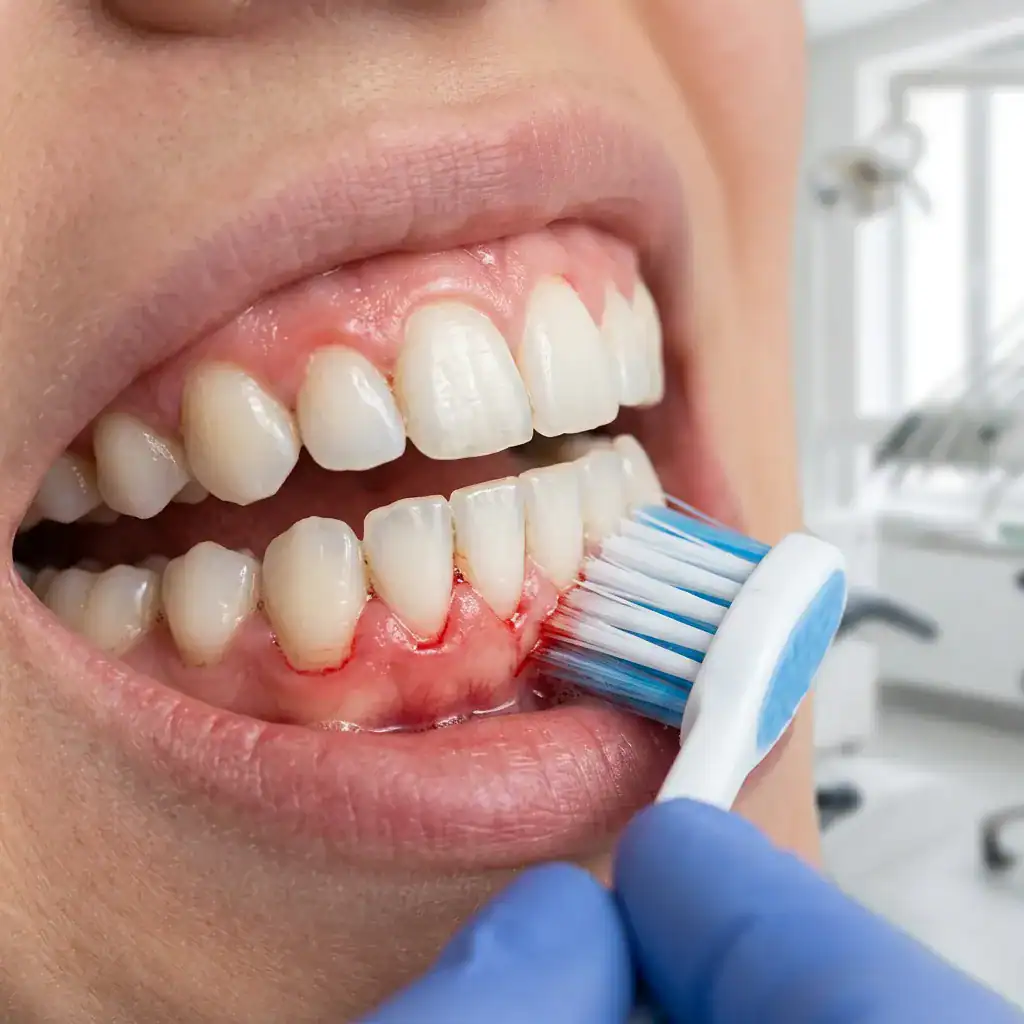
Bleeding gums represent perhaps the most common and most ignored warning sign. Many people notice pink in the sink when they brush and dismiss it as normal or the result of brushing too hard. The truth is that healthy gums shouldn't bleed from routine brushing or flossing. When they do, it signals inflammation and the presence of bacteria that have penetrated below the gum line. Those bleeding areas aren't just inconvenient—they're open doorways allowing oral bacteria direct access to your bloodstream.
Persistent bad breath, medically known as halitosis, tells a similar story. While occasional bad breath happens to everyone, chronic bad breath that doesn't respond to improved oral hygiene often indicates an underlying infection. The bacteria producing those unpleasant odors are the same ones potentially affecting your systemic health. If you find yourself constantly reaching for mints or mouthwash to mask persistent bad breath, your body might be trying to alert you to a more significant concern.
Gum recession occurs so gradually that most people don't notice it happening. You might suddenly realize your teeth look longer than they used to, or you experience new sensitivity to hot or cold temperatures. This recession isn't simply a cosmetic issue—it represents the progressive loss of the protective tissue barrier between your teeth and the rest of your body. As gums recede, more surface area becomes exposed to bacteria, creating additional entry points into your bloodstream.
Loose teeth or changes in how your teeth fit together when you bite down represent advanced warning signs that shouldn't be ignored. At this stage, the bone supporting your teeth has begun to deteriorate—a process that doesn't happen overnight. This level of damage suggests prolonged inflammation and bacterial presence, meaning your body has been dealing with this inflammatory burden for an extended period.
The connection between these oral symptoms and heart health becomes even more concerning when you consider the cumulative effect. Each day that chronic gum inflammation persists represents another day of bacteria entering your bloodstream, another day of systemic inflammation affecting your blood vessels, another day of additional stress on your cardiovascular system.
Beyond Brushing: Why Regular Professional Care Matters More Than You Think
Most people understand that brushing and flossing are important for preventing cavities. What fewer people realize is that your at-home oral care routine, no matter how diligent, can't provide the complete picture of your oral and systemic health. This is where the role of comprehensive professional dental care at The Harmony Dental Group becomes crucial—not just for maintaining your smile, but for protecting your overall wellness.

Professional dental screenings offered by Dr. Malek and the team at The Harmony Dental Group provide something you simply cannot do at home: early detection. Trained dental professionals can identify the early signs of gum disease long before you notice any symptoms. They can spot subtle changes in your gum tissue, measure pocket depths that indicate bacterial presence below the gum line, and assess the overall health of the supporting structures around your teeth. This early detection window represents your best opportunity to address problems before they progress and before they have time to impact your systemic health.
The professional cleaning process itself serves a purpose that goes far beyond cosmetic benefits. When dental hygienists remove tartar and plaque buildup, they're eliminating bacterial colonies that your toothbrush and floss cannot reach. Tartar, once formed, creates a rough surface where more bacteria can adhere and multiply. It acts like a protected fortress for bacteria, shielding them from your daily cleaning efforts. Only professional tools and techniques can effectively remove these hardened deposits and disrupt the bacterial strongholds that contribute to both oral disease and systemic inflammation.
Perhaps most importantly, regular dental visits to The Harmony Dental Group establish a baseline for your oral health and allow for monitoring changes over time. Your dental team can track whether your gum health is improving, stable, or declining. They can identify patterns and risk factors specific to your situation. This longitudinal view of your oral health provides insights that a single isolated appointment never could, creating opportunities for intervention at the earliest possible moment.
Consider also that dental professionals like Dr. Malek are trained to look beyond the obvious. During a comprehensive screening, they evaluate not just your teeth and gums, but the soft tissues of your mouth, your bite pattern, signs of teeth grinding or clenching, and other factors that might indicate stress or health concerns. They're often the first healthcare providers to notice changes that could signal systemic health issues, making them an integral part of your overall healthcare team.
The Empowering Reality of Prevention
Learning about the connection between gum disease and heart health might feel overwhelming at first. The idea that something as seemingly routine as gum inflammation could have such far-reaching implications for your cardiovascular system can trigger concern. However, this knowledge also represents tremendous empowerment—because unlike many health factors beyond your control, this is something you can actively influence through consistent preventive care.
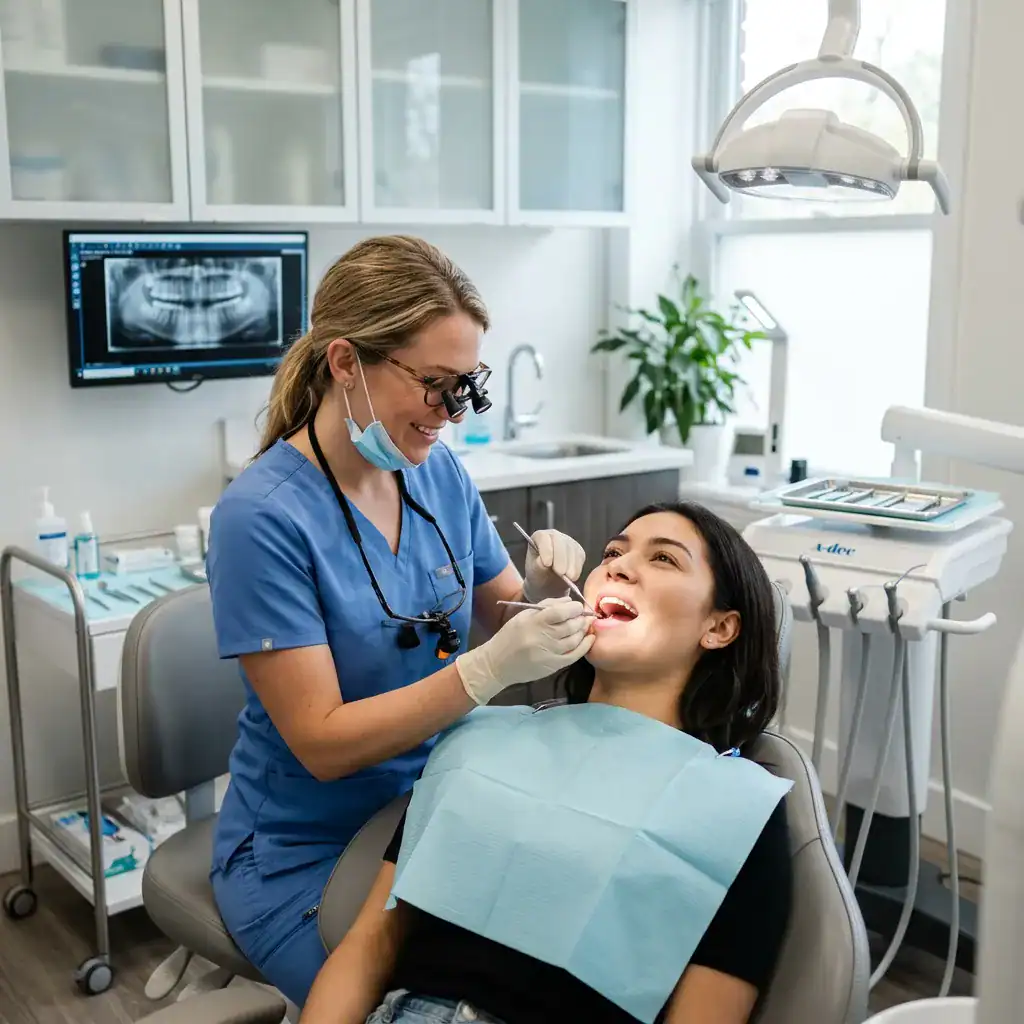
The power of prevention lies in its accessibility. You don't need expensive equipment, complicated protocols, or specialized knowledge to begin protecting both your oral and cardiovascular health. The fundamentals remain straightforward: thorough daily oral hygiene combined with regular professional care at The Harmony Dental Group creates a formidable defense against the inflammatory cascade that links gum disease to heart health concerns.
What makes this particularly empowering is the timeline involved. While cardiovascular problems often develop over years or decades, the inflammatory burden from gum disease can be reduced relatively quickly once proper care begins. Addressing oral inflammation doesn't just prevent future problems—it actively reduces the current inflammatory load your body is managing. Every day you maintain healthy gums is a day your cardiovascular system isn't fighting that additional inflammatory burden.
This preventive approach also offers benefits that extend beyond the mouth-heart connection. Reducing oral inflammation supports your immune system's ability to address other challenges. It improves your body's overall inflammatory balance. It reduces the constant low-level stress that chronic infection places on your system. In essence, taking care of your oral health creates positive ripple effects throughout your entire body.
The concept of holistic health—treating the body as an interconnected system rather than isolated parts—finds perfect expression in the mouth-heart connection. When you prioritize your oral wellness with Dr. Malek and The Harmony Dental Group, you're simultaneously investing in your cardiovascular health. When you address gum inflammation, you're reducing systemic inflammation. When you maintain healthy oral tissues, you're protecting the gateway to your bloodstream. These aren't separate health goals—they're different facets of the same fundamental objective: maintaining your body's overall wellness.
Taking Action: Your Health Deserves Comprehensive Care
Understanding the connection between gum disease and heart health transforms how you think about dental care. What once seemed like a routine appointment focused on cavity prevention now reveals itself as an essential component of your cardiovascular wellness strategy. This shift in perspective naturally leads to an important question: what should you do with this knowledge?
The first step involves honest self-assessment. When was your last comprehensive dental examination with Dr. Malek at The Harmony Dental Group? Not just a quick cleaning, but a thorough evaluation of your gum health, including measurements of pocket depths and assessment of inflammation? If it's been more than six months, or if you've noticed any of the warning signs discussed earlier—bleeding gums, persistent bad breath, recession, or changes in how your teeth feel—now is the time to prioritize a comprehensive screening.
Approach this screening with the understanding that it serves a dual purpose. Yes, you're checking on your oral health, but you're also gathering important information about your systemic inflammatory burden and potential cardiovascular risk factors. Share your complete health history with Dr. Malek and the dental team, including any cardiovascular concerns, family history of heart disease, or other relevant medical information. This complete picture allows for more accurate assessment and more personalized care recommendations.
Use this opportunity to establish a relationship with The Harmony Dental Group, a practice that understands and values the mouth-body connection. Look for providers who take time to explain findings, who discuss the broader health implications of oral conditions, and who view themselves as partners in your overall wellness—not just technicians focused solely on teeth. This holistic approach to dental care acknowledges the reality that your oral health doesn't exist in isolation from the rest of your body.
February presents a particularly meaningful time to take action, as Heart Health Month serves as a national reminder to prioritize cardiovascular wellness. What better way to honor that focus than by addressing one of the often-overlooked risk factors for heart health? By scheduling a comprehensive oral health screening this month with Dr. Malek at The Harmony Dental Group, you're acknowledging the interconnected nature of your body's systems and taking concrete steps to protect both your oral and cardiovascular wellness.
Your Mouth, Your Health, Your Choice
The connection between gum disease and heart health represents a fundamental truth about human biology: everything in your body is connected. The inflammation that begins in your gums doesn't respect the arbitrary boundaries we draw between medical specialties. The bacteria that thrive in unhealthy oral tissue don't limit their impact to your mouth. Your cardiovascular system responds to inflammatory signals regardless of their origin.
This interconnectedness might seem daunting, but it actually offers hope. It means you have more control over your health outcomes than you might have realized. It means that seemingly simple acts—thorough daily oral hygiene, regular professional cleanings with Dr. Malek, prompt attention to warning signs—carry weight far beyond their apparent simplicity. It means your dentist truly can be one of the most important members of your healthcare team, with insights into your wellness that extend far beyond cavities and crowns.
The most important takeaway isn't fear about what might happen if you neglect your oral health. Rather, it's empowerment about what you can do to protect yourself. Every time you brush thoroughly, you're reducing bacterial load. Every time you floss, you're disrupting bacterial colonies before they can establish themselves below the gum line. Every time you attend a dental cleaning at The Harmony Dental Group, you're removing the hardened deposits that serve as bacterial strongholds. And every time you have a comprehensive screening with Dr. Malek, you're getting early detection that allows for intervention before problems progress.
Your health deserves this level of attention and care. Your heart deserves the protection that comes from maintaining healthy oral tissues. Your body deserves the reduced inflammatory burden that comes from addressing gum disease promptly and thoroughly. You deserve the peace of mind that comes from knowing you're taking comprehensive steps to protect your wellness.
This February, during Heart Health Month, give yourself the gift of comprehensive care. Schedule a dental screening with Dr. Malek at The Harmony Dental Group that looks at your oral health through the lens of total body wellness. Take this opportunity to establish or strengthen your relationship with a dental team that understands and values the connection between your mouth and your heart. Your future self—both your smile and your cardiovascular system—will thank you for taking action today.
Ready to Take Control of Your Oral and Heart Health?
Schedule your comprehensive wellness screening this March with Dr. Malek and The Harmony Dental Group. Our team understands the vital connection between oral health and overall wellness, and we're committed to providing care that protects not just your smile, but your whole body health.
As part of our "Love Your Smile, Love Your Health" campaign this Heart Health Month, we're offering complimentary oral health assessments to help you understand your current oral wellness status and any potential implications for your systemic health.
Don't wait until symptoms appear. Early detection and prevention are your most powerful tools for maintaining both oral and cardiovascular wellness. Contact The Harmony Dental Group today to schedule your appointment with Dr. Malek and take the first step toward comprehensive, holistic health care.
Your mouth is speaking. Your heart is listening. Make sure both are saying healthy things about your future.
Frequently Asked Questions
1. How can I tell if I have gum disease?
Gum disease often starts with subtle signs that can be easily overlooked. Common indicators include persistent bad breath, swollen or bleeding gums, gum recession, and loose teeth. If you notice any of these symptoms, it’s crucial to consult a dental professional for a comprehensive evaluation. Early detection is key to preventing the progression of gum disease and its potential impact on your overall health, including your heart health.
2. What role does diet play in gum health and heart health?
Your diet significantly influences both gum and heart health. Foods high in sugar and refined carbohydrates can promote the growth of harmful bacteria in the mouth, leading to gum disease. Conversely, a diet rich in fruits, vegetables, whole grains, and omega-3 fatty acids can help reduce inflammation and support both oral and cardiovascular health. Staying hydrated and limiting processed foods can also contribute to healthier gums and a healthier heart.
3. Can stress affect my oral health and heart health?
Yes, stress can have a profound impact on both oral and heart health. Stress can lead to behaviors such as teeth grinding and neglecting oral hygiene, which can exacerbate gum disease. Additionally, chronic stress is linked to increased inflammation in the body, which can negatively affect cardiovascular health. Managing stress through relaxation techniques, exercise, and proper self-care can help protect both your gums and your heart.
4. How often should I visit the dentist for preventive care?
Most dental professionals recommend visiting the dentist at least twice a year for routine check-ups and cleanings. However, individuals with a history of gum disease or other health concerns may need more frequent visits. Regular professional care is essential for early detection of potential issues and for maintaining optimal oral health, which in turn supports overall health, including heart health.
5. What are the long-term effects of untreated gum disease?
Untreated gum disease can lead to severe consequences, including tooth loss and systemic health issues. The bacteria from gum disease can enter the bloodstream, contributing to inflammation and increasing the risk of heart disease, stroke, and other serious conditions. Additionally, chronic inflammation can affect your immune system, making it harder for your body to fight off infections. Early intervention is crucial to prevent these long-term effects.
6. Are there specific dental treatments that can help with gum disease?
Yes, several dental treatments can effectively address gum disease. These include professional cleanings to remove plaque and tartar, scaling and root planing to clean below the gum line, and, in more severe cases, surgical procedures to restore gum health. Your dentist will assess the severity of your gum disease and recommend the most appropriate treatment plan to help restore your oral health and protect your cardiovascular system.
7. How does smoking impact gum health and heart health?
Smoking significantly increases the risk of gum disease and negatively affects heart health. It impairs blood flow to the gums, making it harder for them to heal and increasing inflammation. Smokers are also more likely to develop plaque buildup and experience tooth loss. Additionally, smoking is a major risk factor for cardiovascular disease, as it contributes to the formation of arterial plaques and reduces overall heart health. Quitting smoking can greatly improve both oral and cardiovascular health.
Conclusion
Understanding the critical link between gum disease and heart health empowers you to take proactive steps for your overall wellness. By prioritizing regular dental check-ups and maintaining good oral hygiene, you can significantly reduce systemic inflammation and protect your cardiovascular system. Don't wait for warning signs to appear; schedule your comprehensive screening with Dr. Malek at The Harmony Dental Group today. Your health is interconnected, and taking action now can lead to a healthier future for both your mouth and your heart.
About The Harmony Dental Group
The Harmony Dental Group is dedicated to providing comprehensive dental care that emphasizes the connection between oral health and overall wellness. Led by Dr. Malek, our experienced team offers personalized treatments and preventive services designed to protect your smile and support your total body health. We are committed to creating a welcoming environment where patients feel informed, cared for, and empowered to take control of their health.