

Why Do My Gums Bleed When I Brush? Understanding Gum Disease Symptoms and Treatment Options
Bleeding gums during brushing can be a concerning symptom, often indicating underlying gum disease or poor oral hygiene practices. This article will explore the common causes of bleeding gums, the signs and symptoms of gum disease, and effective prevention and treatment options. Understanding why your gums bleed is crucial for maintaining oral health and preventing more serious dental issues. We will also discuss how to recognize early signs of gingivitis and when to seek professional help. By the end of this article, you will have a comprehensive understanding of gum health and the steps you can take to ensure your gums remain healthy.
What Are the Common Causes of Bleeding Gums When Brushing?
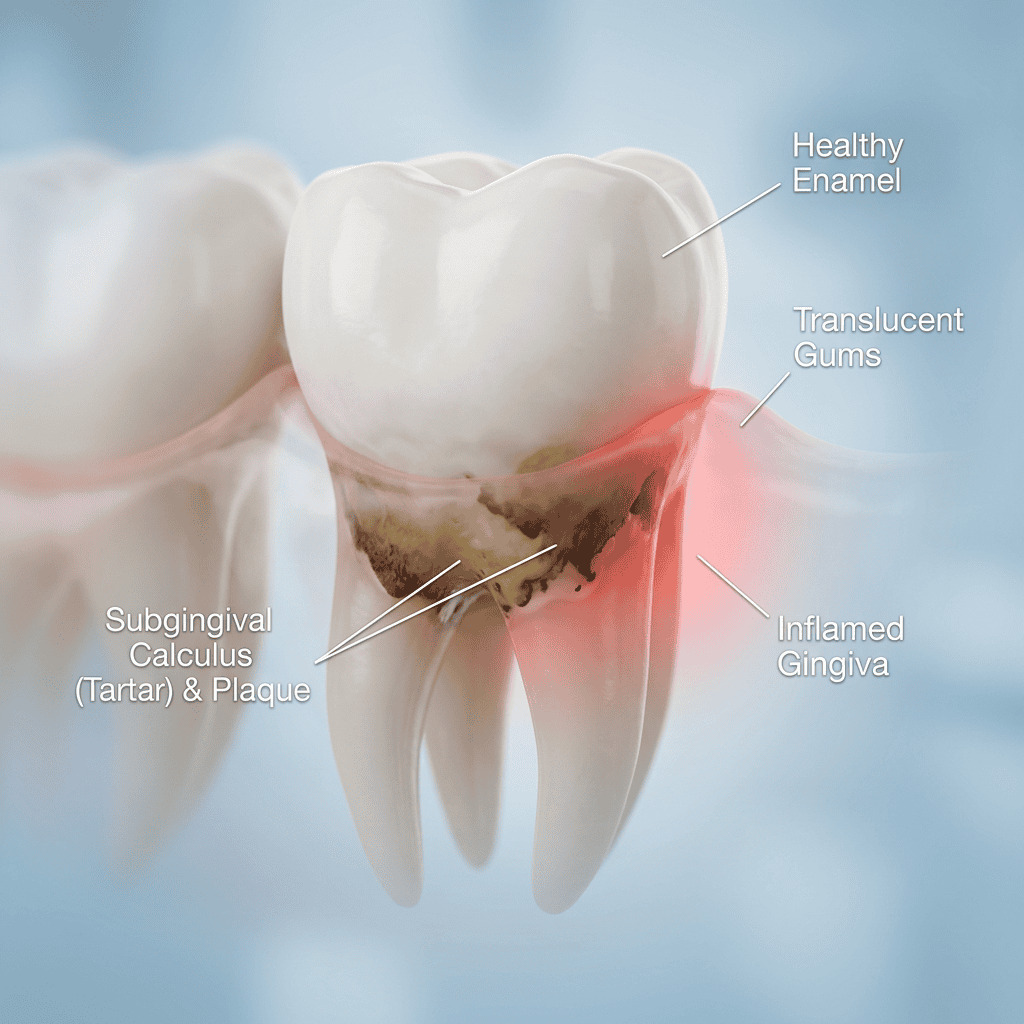
Bleeding gums when brushing can be attributed to several factors, primarily related to gum disease and oral hygiene practices. The most common causes include gingivitis, plaque buildup, and improper brushing techniques. Gingivitis, an early stage of gum disease, occurs when plaque—a sticky film of bacteria—accumulates on the teeth and irritates the gums, leading to inflammation and bleeding.
How Does Gingivitis Lead to Gum Bleeding?
Gingivitis leads to gum bleeding due to the inflammation it causes in the gum tissue. When plaque is not removed through regular brushing and flossing, it hardens into tartar, which further irritates the gums. This inflammation can cause the gums to become swollen, red, and tender, making them more susceptible to bleeding during brushing. Early treatment of gingivitis is essential to prevent progression to more severe forms of gum disease.
Research has consistently highlighted the critical role of plaque in initiating gum inflammation.
Plaque's Role in Gingival Inflammation
The relationship of plaque to gingival inflammation has often been postulated as the cause of gingivitis. It was not until the reasoned experimental gingivitis studies in humans that a plaque bacterial etiology was firmly established. Dental plaque‐induced gingival diseases, 1999
Can Brushing Technique or Oral Hygiene Affect Gum Bleeding?
Yes, brushing technique and overall oral hygiene significantly impact gum health. Using a hard-bristled toothbrush or applying excessive pressure while brushing can damage the delicate gum tissue, leading to bleeding. It is recommended to use a soft-bristled toothbrush and gentle, circular motions to clean the teeth effectively without harming the gums. Additionally, maintaining a consistent oral hygiene routine, including daily brushing and flossing, is crucial for preventing gum bleeding.
Beyond the type of brush, the manner and duration of brushing are also critical in preventing gum damage.
Preventing Gum Abrasion from Brushing
Gingival abrasion can occur when the brushing is too frequent or is longer than the recommended two minutes, and when too much brushing emphasis is on the gums rather than the teeth. Comparative efficacy of a soft toothbrush with tapered‐tip bristles to an ADA reference toothbrush on gingival abrasion over a 12‐week period, 2016
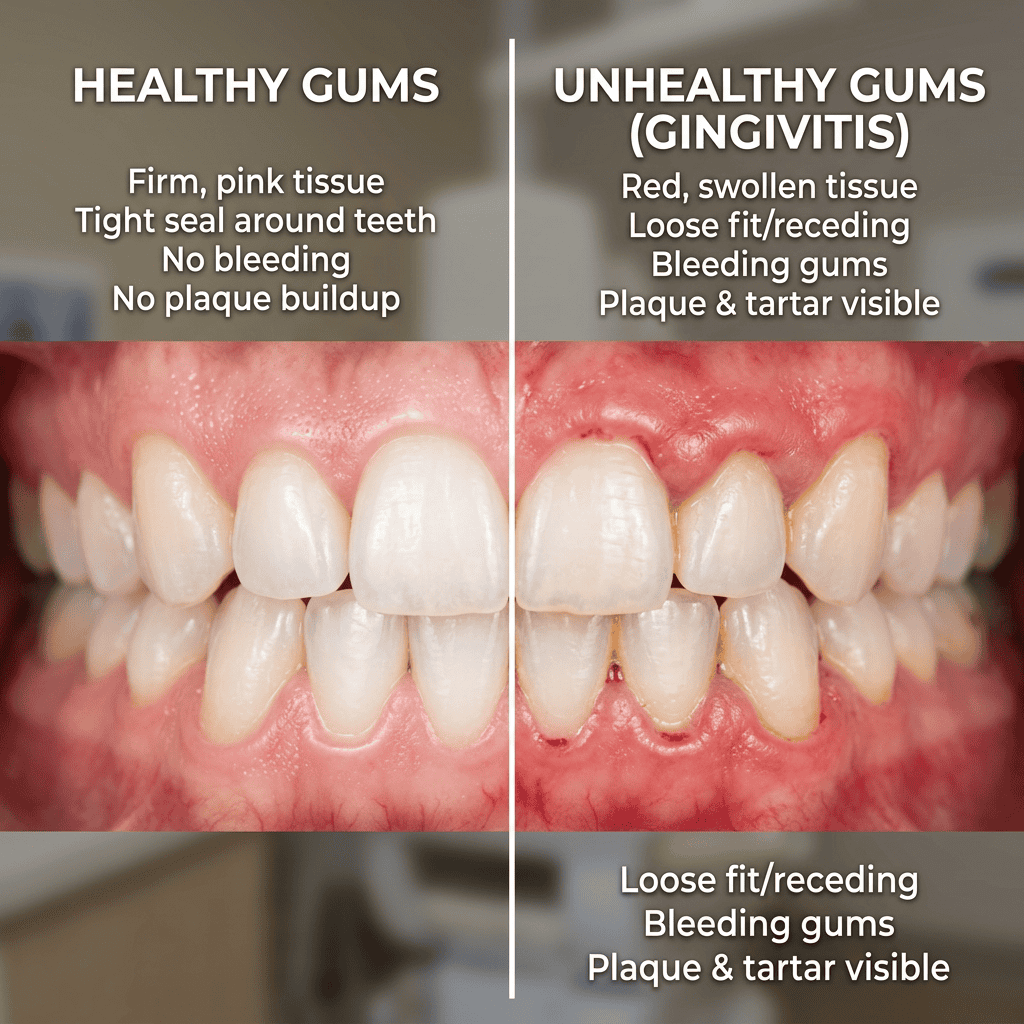
What Are the Key Signs and Symptoms of Gum Disease?
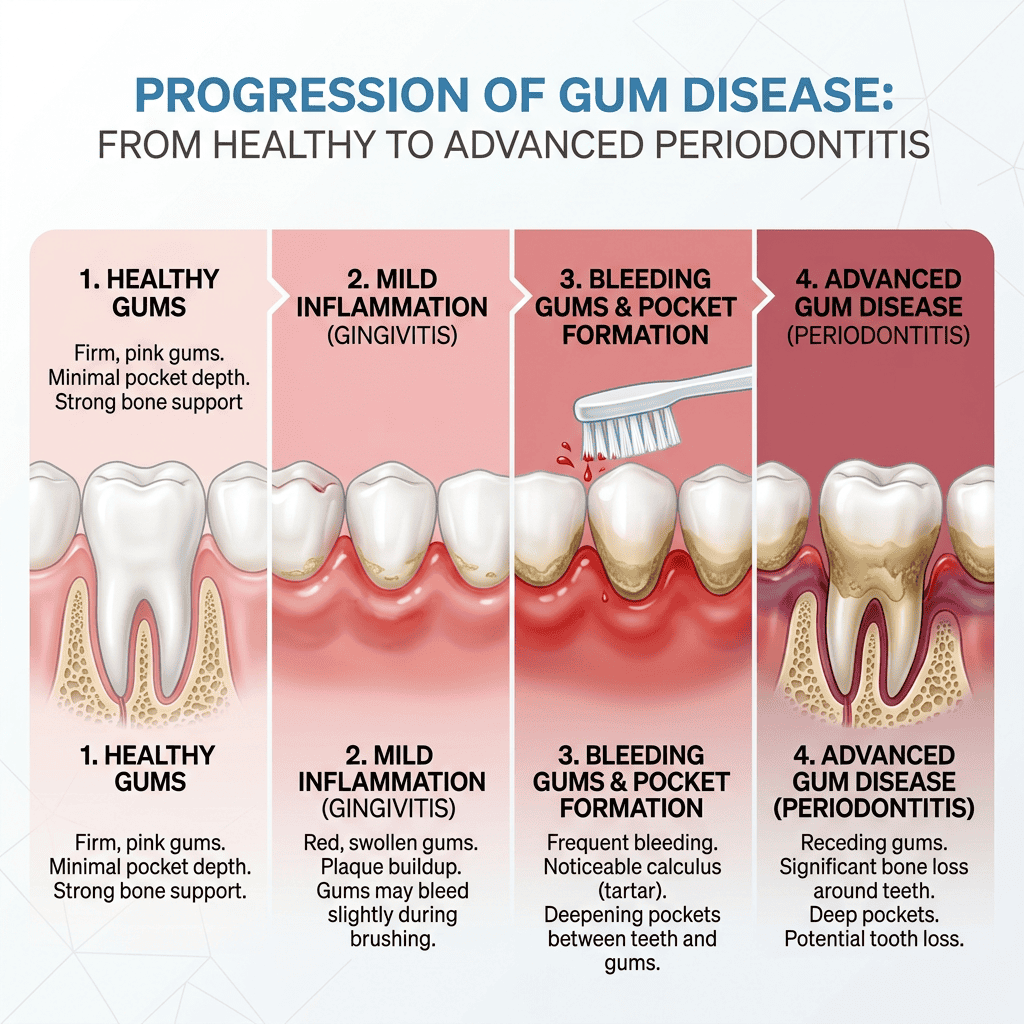
Recognizing the signs and symptoms of gum disease is vital for early intervention and treatment. Common indicators include swollen or tender gums, persistent bad breath, and bleeding during brushing or flossing. If left untreated, gum disease can progress to more severe conditions, potentially leading to tooth loss.
How to Recognize Early Gingivitis Signs?
Early signs of gingivitis include mild swelling of the gums, sensitivity during brushing, and occasional bleeding. These symptoms may be subtle, but addressing them promptly can prevent the condition from worsening. Regular dental check-ups are essential for monitoring gum health and catching any issues early.
What Symptoms Indicate Progression to Periodontal Disease?
As gum disease progresses to periodontal disease, symptoms may intensify. Increased bleeding, pain, and gum recession are common signs. Additionally, individuals may experience tooth mobility or changes in bite alignment. Seeking professional dental care at this stage is crucial to prevent further complications.
It's important to understand that gingivitis is not always a static condition and can evolve into more severe forms of gum disease.
Gingivitis Progression to Periodontitis
On the other hand, the evidence indicates that a portion of gingivitis lesions can and does progress to periodontitis. Gingivitis and the periodontal disease are not separate entities but rather different stages of the same disease process. Gingivitis, 1986

How Can I Prevent Gum Bleeding and Maintain Healthy Gums?
Preventing gum bleeding and maintaining healthy gums involves a combination of good oral hygiene practices and regular dental visits. Key strategies include brushing twice daily, flossing daily, and using mouthwash to reduce plaque buildup.
What Are the Best Oral Hygiene Practices to Prevent Gum Bleeding?
Effective oral hygiene practices include:
- Brushing Twice Daily: Use a soft-bristled toothbrush and fluoride toothpaste to clean your teeth thoroughly.
- Flossing Daily: Flossing removes plaque and food particles from between the teeth and along the gum line.
- Using Mouthwash: An antibacterial mouthwash can help reduce plaque and prevent gum disease.
These practices are essential for maintaining gum health and preventing bleeding.
How Does Professional Dental Cleaning Help in Prevention?
Professional dental cleaning plays a crucial role in preventing gum disease. During a dental visit, a hygienist removes plaque and tartar buildup that regular brushing may miss. This cleaning process not only helps to prevent gum bleeding but also allows the dentist to identify early signs of gum disease. It is recommended to have professional cleanings every six months to maintain optimal oral health.
What Treatment Options Are Available for Bleeding Gums?
If you experience persistent bleeding gums, it is essential to seek professional help. Treatment options vary depending on the severity of the condition but may include professional cleanings, medication, or surgical interventions for advanced cases.
When Should I See a Dentist for Bleeding Gums?
You should see a dentist for bleeding gums if the bleeding persists despite good oral hygiene practices, if you notice signs of infection such as swelling or pus, or if you experience significant pain. Regular check-ups can help prevent issues before they escalate.
What Professional Treatments Does Harmony Dental Group Offer?
Harmony Dental Group offers comprehensive dental exams and customized treatment plans to address gum health. Their focus on preventive care includes professional cleanings and education on effective oral hygiene practices. By prioritizing gum health, patients can avoid the complications associated with gum disease and maintain a healthy smile.
Conclusion
Maintaining healthy gums is essential for overall oral health, as bleeding during brushing often signals underlying issues like gum disease. By adopting effective oral hygiene practices and seeking professional care, you can prevent complications and ensure your gums remain strong and healthy. Don't wait for symptoms to worsen; prioritize your dental health today. Explore our resources for more tips on maintaining optimal gum health and schedule your next dental check-up with us.
Frequently Asked Questions
What lifestyle factors can contribute to gum bleeding?
Lifestyle factors such as smoking, poor diet, and stress can significantly impact gum health. Smoking reduces blood flow to the gums, making them more susceptible to disease. A diet low in essential nutrients, particularly vitamin C, can weaken gum tissue. Additionally, high-stress levels can lead to neglecting oral hygiene, increasing the risk of plaque buildup and gum disease. Addressing these lifestyle factors is crucial for maintaining healthy gums and preventing bleeding.
Are there any medical conditions that can cause gum bleeding?
Yes, several medical conditions can contribute to gum bleeding. Conditions such as diabetes, blood disorders, and hormonal changes (like those during pregnancy) can affect gum health. Diabetes, for instance, can impair blood flow and immune response, making gums more vulnerable to infection. Blood disorders may lead to increased bleeding tendencies. If you have underlying health issues, it's essential to manage them effectively to protect your gum health.
How often should I visit the dentist for gum health check-ups?
It is generally recommended to visit the dentist for check-ups every six months. Regular dental visits allow for professional cleanings that remove plaque and tartar buildup, which can lead to gum disease if left untreated. During these visits, your dentist can also monitor your gum health, identify early signs of issues, and provide personalized advice on maintaining optimal oral hygiene. If you have existing gum problems, more frequent visits may be necessary.
Can certain medications affect gum health?
Yes, certain medications can impact gum health and contribute to bleeding. Medications that cause dry mouth, such as antihistamines and some antidepressants, can reduce saliva production, leading to increased plaque buildup and gum irritation. Additionally, blood thinners can increase bleeding tendencies, making it essential to inform your dentist about any medications you are taking. They can provide guidance on managing gum health while on these medications.
What role does diet play in maintaining healthy gums?
A balanced diet plays a vital role in maintaining healthy gums. Nutrients such as vitamin C, calcium, and antioxidants are essential for gum health. Vitamin C helps in collagen production, which is crucial for gum tissue integrity. Foods rich in calcium strengthen teeth and bones, while antioxidants help combat inflammation. Incorporating a variety of fruits, vegetables, whole grains, and lean proteins into your diet can support gum health and reduce the risk of bleeding.
Is it normal for gums to bleed occasionally, or should I be concerned?
While occasional gum bleeding can happen, especially after vigorous brushing or flossing, it should not be ignored. Persistent bleeding is often a sign of gum disease or other underlying issues that require attention. If you notice frequent bleeding, it’s essential to evaluate your oral hygiene practices and consult a dentist for a thorough examination. Early intervention can prevent more serious complications and help maintain healthy gums.
____________________________________
About The Harmony Dental Group
Harmony Dental Group lead by Dr. Richard Malek is a trusted dental practice dedicated to providing high-quality oral care with a patient-centered approach. Their experienced team offers a wide range of dental services, emphasizing prevention, education, and personalized treatment plans to ensure optimal dental health for every patient. Committed to creating a comfortable and welcoming environment, Harmony Dental Group strives to help patients achieve and maintain healthy smiles for life.