Dental Veneers Vs Crowns: Which Is Right for You? A Comprehensive Smile Restoration Guide
Choosing between dental veneers and crowns can be a pivotal decision in your smile restoration journey. Both options offer unique benefits and cater to different dental needs, making it essential to understand their differences. This comprehensive guide will delve into the characteristics, advantages, and ideal candidates for both veneers and crowns, helping you make an informed choice. Many individuals face challenges with tooth aesthetics or damage, and understanding these restorative options can provide effective solutions. We will explore the definitions, benefits, and procedures associated with dental veneers and crowns, as well as key decision factors to consider when choosing between them.
What Are Dental Veneers and Their Cosmetic Benefits?
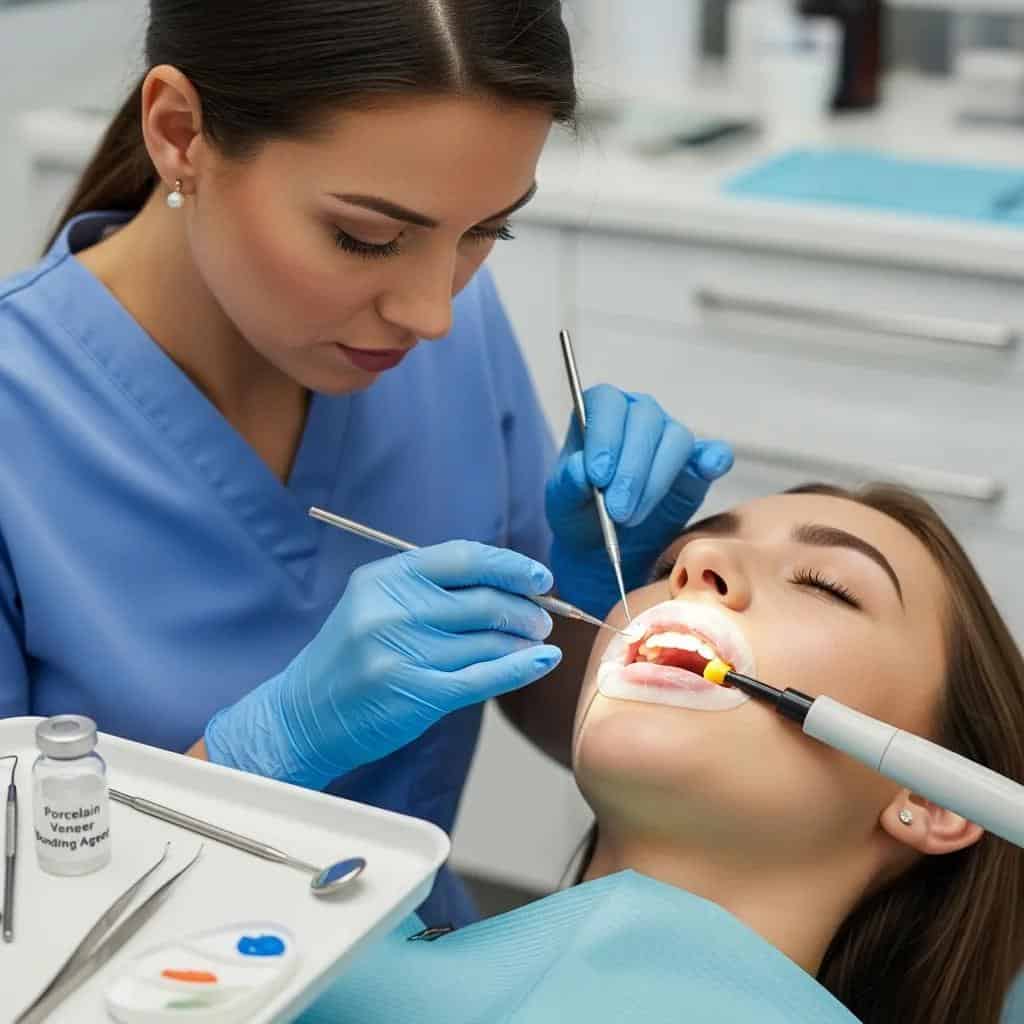
Dental veneers are thin shells made from porcelain or composite resin that are custom-fitted to the front surface of teeth. They are primarily used for cosmetic purposes, enhancing the appearance of teeth by correcting issues such as discoloration, chips, or gaps. The application of veneers can significantly improve the overall aesthetic of a smile, providing a natural look that blends seamlessly with existing teeth.
Research consistently highlights the effectiveness of laminate veneers in achieving superior aesthetic outcomes and long-term predictability for anterior teeth.
Laminate Veneers: Aesthetics, Predictability, and Material Choices
Due to their high aesthetic outcome and long-term predictability, laminate veneers have become a common restorative procedure for anterior teeth. However, because of the variety in the preparation designs and the material types, the clinician faces a dilemma of which approach to use.
The success of dental veneers according to preparation design and material type, 2018
What Materials Are Used for Porcelain and Composite Veneers?
Porcelain veneers are crafted from high-quality ceramic materials that mimic the translucency and color of natural teeth. They are known for their durability and resistance to staining. On the other hand, composite veneers are made from a resin material that can be easily shaped and polished to match the surrounding teeth. While composite veneers are generally less expensive and can often be applied in a single visit, they may not last as long as porcelain options.
Who Are Ideal Candidates for Veneers?
Ideal candidates for dental veneers typically have healthy teeth and gums but may suffer from aesthetic concerns. Individuals with minor misalignments, chips, or discoloration can benefit greatly from veneers. However, those with significant tooth decay or gum disease may need to address these issues before considering veneers. Additionally, patients seeking a smile makeover often find veneers to be an effective solution for achieving their aesthetic goals.
What Are Dental Crowns and Their Restorative Advantages?
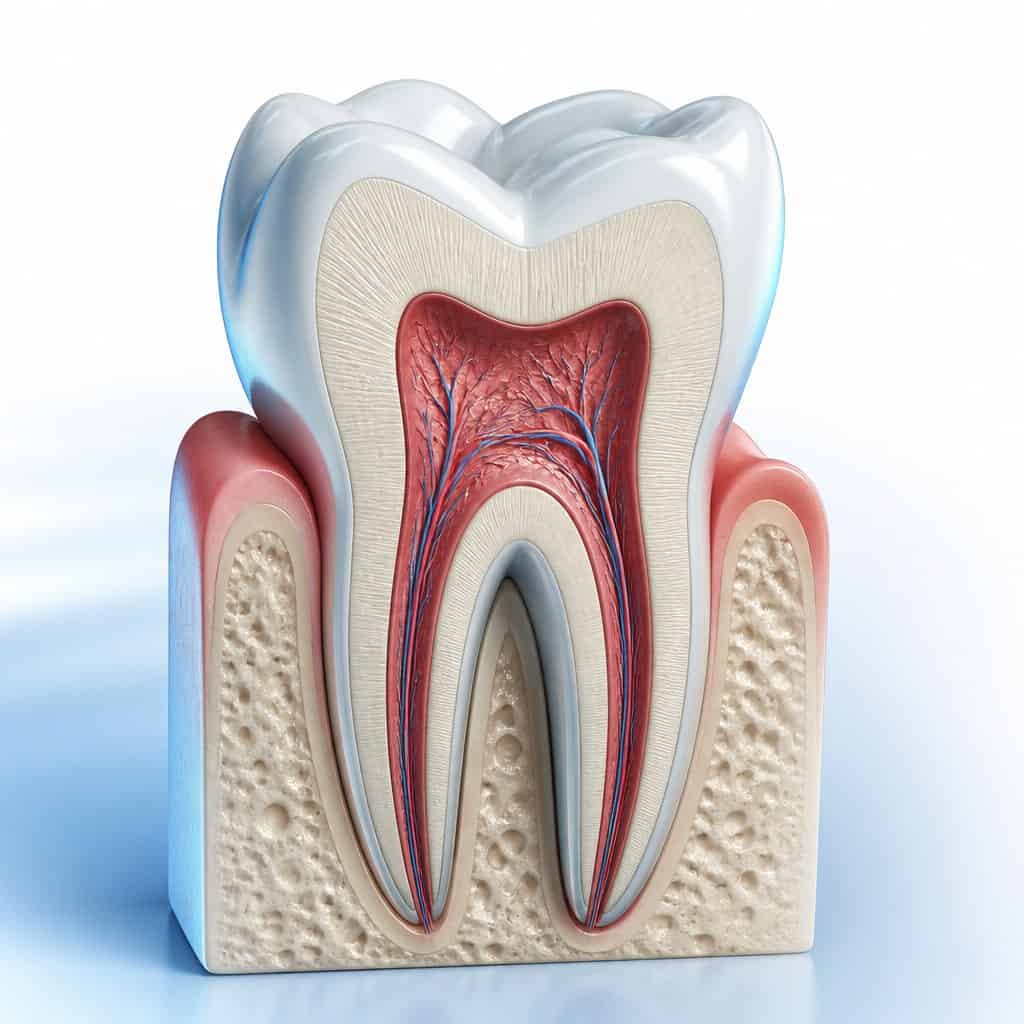
Dental crowns are caps placed over damaged or decayed teeth to restore their shape, size, strength, and appearance. Unlike veneers, which cover only the front surface, crowns encase the entire tooth, providing comprehensive protection and support. They are particularly beneficial for teeth that have undergone root canal treatment or are severely worn down.
What Types of Crowns Are Available: Zirconia, Porcelain, and PFM?
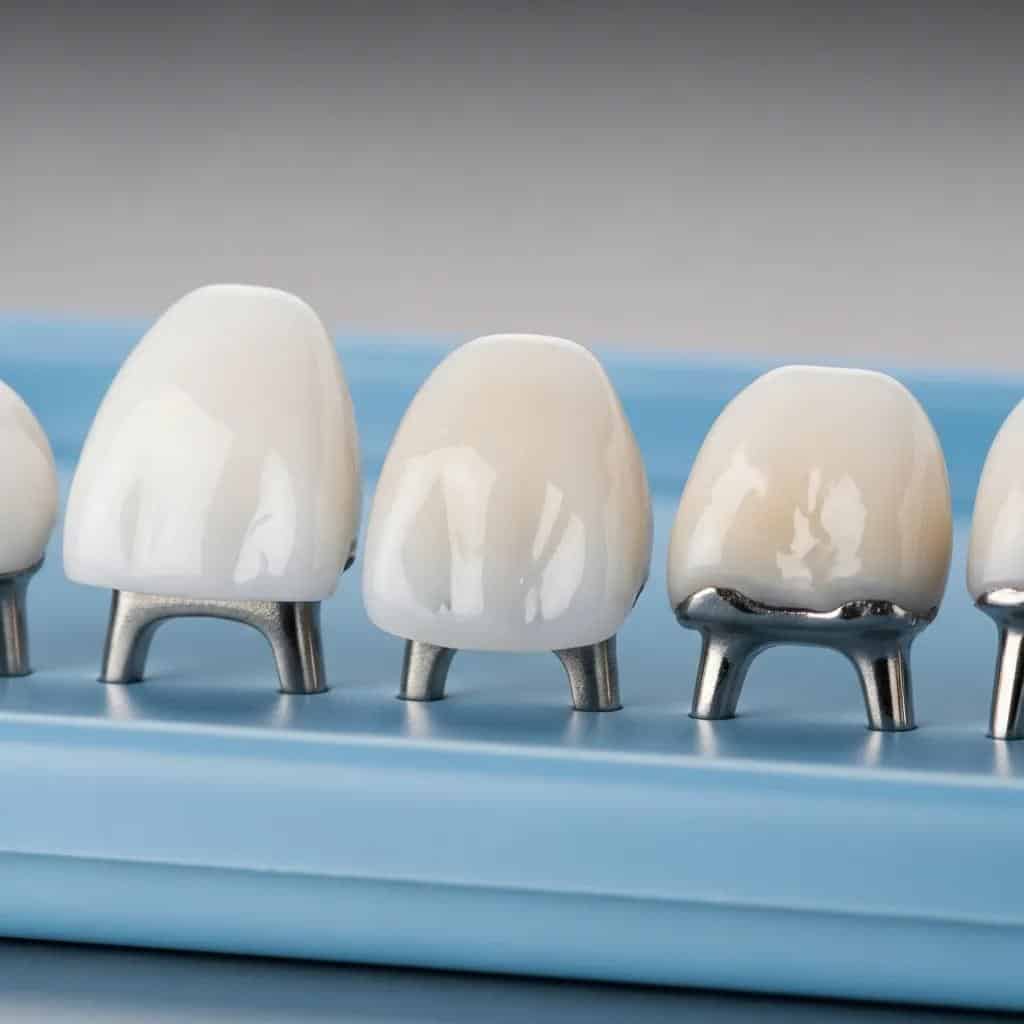
There are several types of crowns available, including zirconia, porcelain, and porcelain-fused-to-metal (PFM) crowns. Zirconia crowns are known for their strength and durability, making them suitable for back teeth. Porcelain crowns offer a natural appearance and are often used for front teeth. PFM crowns combine the strength of metal with the aesthetic appeal of porcelain, providing a balanced option for various dental needs.
When Are Crowns Recommended for Tooth Protection and Repair?
Crowns are recommended in several scenarios, including when a tooth is severely decayed, cracked, or has undergone root canal therapy. They provide essential protection against further damage and restore functionality, allowing patients to chew and speak comfortably. Additionally, crowns can be used to anchor dental bridges, making them a versatile option in restorative dentistry.
How Do Veneers and Crowns Compare: Procedure, Durability, and Cost?
When considering veneers versus crowns, it's important to understand the differences in procedure, durability, and cost.
What Are the Differences in Tooth Preparation for Veneers vs Crowns?
The preparation for veneers typically involves minimal tooth reduction, as only the front surface of the tooth is altered. In contrast, crowns require more extensive tooth preparation, as the entire tooth must be reshaped to accommodate the crown. This difference in preparation can influence a patient's decision based on their comfort level and the extent of tooth damage.
How Do Veneers and Crowns Differ in Longevity and Durability?
In terms of longevity, porcelain veneers can last between 10 to 15 years with proper care, while crowns can last 10 to 15 years or longer, depending on the material used and the patient's oral hygiene practices. Crowns generally offer greater durability, making them suitable for teeth that endure significant pressure from chewing.
Further studies provide detailed insights into the varying longevity of different crown materials, offering a comprehensive perspective on their survival rates.
Longevity of Dental Crowns: Gold, PFM, All-Ceramic, eMax, Zirconia
For indirect restorations, gold restorations are still the "gold standard" with a 96% over 10 years survival rate, followed by porcelain-fused-to-metal crowns (PFM) (90% over 10 years), and all ceramic crowns (75-80% over 10 years). Amongst the ceramic restorations, eMax shows the longest survival rate (90% over 10 years), and Zirconia the lowest (88% over five years).
The longevity of restorations-A literature review, ZI Vally, 2015
What Are the Typical Costs and Insurance Considerations for Veneers and Crowns?
The cost of veneers typically ranges from $800 to $2,500 per tooth, while crowns can range from $800 to $3,000, depending on the material and complexity of the procedure. Insurance coverage may vary, with some plans covering a portion of the cost for crowns due to their restorative nature, while veneers may be considered purely cosmetic and not covered.
When Should You Choose Veneers Over Crowns? Key Decision Factors Explained
Deciding between veneers and crowns involves several key factors that can influence your choice.
How Do Aesthetic Goals Influence the Choice Between Veneers and Crowns?
Aesthetic goals play a significant role in the decision-making process. If the primary concern is improving the appearance of front teeth, veneers may be the preferred option due to their cosmetic focus. However, if there is underlying damage or decay, crowns may be necessary to restore both function and appearance.
What Role Does Tooth Damage Severity Play in Treatment Selection?
The severity of tooth damage is another critical factor. For minor cosmetic issues, veneers can provide an effective solution. In contrast, crowns are better suited for teeth that are significantly damaged or require structural support. Understanding the extent of damage can guide patients toward the most appropriate treatment.
Are Veneers Better Suited for Front Teeth Compared to Crowns?
Veneers are often considered ideal for front teeth due to their aesthetic appeal and ability to enhance the smile. Crowns, while also effective, may not provide the same level of cosmetic enhancement for visible teeth. Patients should consider their specific needs and preferences when making this decision.
What Are Common Patient Questions About Veneers and Crowns?
Patients often have several questions when considering veneers and crowns, reflecting their concerns and curiosity about these treatments.
What Is the Main Difference Between Veneers and Crowns?
The main difference between veneers and crowns lies in their coverage and purpose. Veneers cover only the front surface of the tooth for cosmetic enhancement, while crowns encase the entire tooth for protection and restoration. This distinction is crucial for patients to understand when making their decision.
Which Lasts Longer: Veneers or Crowns?
Crowns generally last longer than veneers, with an average lifespan of 10 to 15 years or more compared to 10 to 15 years for veneers. The longevity of both options depends on factors such as material choice, oral hygiene, and individual patient care.
Do Veneers or Crowns Require More Tooth Preparation?
Crowns require more extensive tooth preparation than veneers, as they cover the entire tooth. This difference can influence a patient's choice based on their comfort level with tooth alteration and the extent of their dental issues.
Are Veneers Cheaper Than Crowns?
Veneers are typically less expensive than crowns, with costs ranging from $800 to $2,500 per tooth, while crowns can range from $800 to $3,000. However, the choice should not be based solely on cost but rather on the specific dental needs and desired outcomes.
Which Is Better for Front Teeth: Veneers or Crowns?
Veneers are often preferred for front teeth due to their aesthetic benefits, providing a natural and beautiful appearance. Crowns can also be used for front teeth but may not offer the same level of cosmetic enhancement. Patients should consider their individual goals when making this decision.
Frequently Asked Questions
What Are the Maintenance Requirements for Veneers and Crowns?
Maintaining dental veneers and crowns involves regular oral hygiene practices, including brushing twice a day and flossing daily. It's also essential to visit Dr. Richard Malek and his team for routine check-ups and cleanings. While veneers are stain-resistant, avoiding excessive consumption of staining foods and beverages can help preserve their appearance. Crowns, particularly those made from porcelain, require similar care to prevent decay at the tooth margin. Patients should also avoid hard foods that could damage either restoration, ensuring longevity and optimal function.
Can You Whiten Veneers or Crowns?
Whitening treatments are generally not effective on dental veneers and crowns, as these materials do not respond to bleaching agents like natural teeth do. If you have veneers or crowns and are considering whitening your natural teeth, it’s advisable to consult Dr. Richard Malek first. He may recommend replacing the veneers or crowns to match the new shade of your teeth after whitening. Regular maintenance and care can help keep your restorations looking their best, but they will not change color with whitening treatments.
What Are the Risks Associated with Veneers and Crowns?
Both veneers and crowns come with potential risks. For veneers, these include sensitivity to hot and cold, potential for chipping, and the need for replacement if they become damaged. Crowns may also lead to sensitivity, and if not properly fitted, they can cause discomfort or misalignment. Additionally, there is a risk of decay at the tooth margin if the crown is not sealed correctly. Discussing these risks with Dr. Richard Malek can help you make an informed decision about your treatment options.
How Long Does the Procedure for Veneers and Crowns Take?
The procedure for dental veneers typically requires two visits: the first for consultation and tooth preparation, and the second for placement. This process can take a few weeks, as custom veneers are created in a dental lab. In contrast, crowns may also require two visits unless using same-day technology like CEREC, which allows for immediate placement. Overall, the time commitment varies based on the complexity of the case and the materials used, so it's best to consult Dr. Richard Malek for a personalized timeline.
Are There Any Dietary Restrictions After Getting Veneers or Crowns?
After receiving veneers or crowns, patients are generally advised to avoid hard, sticky, or chewy foods for a short period to allow the restorations to set properly. For veneers, it’s also wise to limit staining foods and beverages, such as coffee and red wine, to maintain their appearance. Crowns, especially those made from porcelain, should be treated with care to prevent damage. Dr. Richard Malek will provide specific dietary recommendations based on your individual treatment and materials used.
How Do I Know If I Need Veneers or Crowns?
Determining whether you need veneers or crowns depends on the condition of your teeth. If your primary concern is cosmetic, such as discoloration or minor chips, veneers may be the best option. However, if you have significant decay, structural damage, or have undergone root canal treatment, crowns are typically recommended for their protective qualities. A thorough evaluation by Dr. Richard Malek will help identify the best treatment based on your dental health and aesthetic goals.
How Do Solea® Laser and CEREC CAD/CAM Technologies Improve Patient Comfort and Efficiency?
Dr. Richard Malek and his team utilize Solea® laser technology to perform procedures with minimal discomfort and faster recovery times. Additionally, their CEREC CAD/CAM system allows for same-day restorations, meaning patients can receive their crowns or veneers in a single visit, enhancing convenience and efficiency.
What Expertise Do Our Dentists Bring to Cosmetic and Restorative Dentistry?
Dr. Richard Malek and his skilled team bring extensive experience in both cosmetic and restorative dentistry, ensuring that each treatment plan is customized to achieve optimal results. With a focus on patient education and comfort, they strive to create a welcoming environment where patients can feel confident in their dental care choices.
Conclusion
Choosing between dental veneers and crowns can significantly impact your smile restoration journey, as each option offers distinct benefits tailored to different dental needs. Understanding the advantages of veneers for aesthetic enhancement and crowns for comprehensive protection reinforces the value of informed decision-making in dental care. To explore the best options for your unique situation, consider consulting with Dr. Richard Malek and his team at The Harmony Dental Group who can guide you through the process. Discover how Dr. Richard Malek and his expert team at The Harmony Dental Group can help you achieve your ideal smile today.
About The Harmony Dental Group
At The Harmony Dental Group, Dr. Richard Malek and his team prioritize patient comfort and satisfaction through advanced dental technologies and expert care. Dr. Richard Malek and his team are dedicated to providing high-quality veneer and crown treatments tailored to each patient's unique needs.