How Often Should You Really See the Dentist? Your Personalized Dental Checkup Frequency Guide in Norwalk, CT
Regular dental visits are essential for maintaining optimal oral health and preventing serious dental issues. Many people wonder how often they should see the dentist to ensure their teeth and gums remain healthy. This guide will provide insights into the recommended frequency of dental checkups, tailored to individual needs. Understanding the importance of these visits can help you avoid common dental problems and maintain a beautiful smile. In this article, we will explore the traditional six-month rule for dental visits, factors influencing your ideal visit frequency, the benefits of regular dental cleanings, and how The Harmony Dental Group personalizes care in Norwalk, CT.
However, some research suggests that a universal recommendation for dental checkup frequency may not be supported by existing evidence.
Evidence for Routine Dental Checkup Frequency
Six-monthly routine dental checks or any other specific frequency of routine dental check for adults or children cannot be advocated on the basis of existing evidence. There is a need for further primary research to investigate the relative effectiveness of routine dental checks of different frequency in terms of the separate impact on caries, periodontal disease, oral cancer and patient-centred oral health outcomes.
The effectiveness of routine dental checks: a systematic review of the evidence base, CF Davenport, 2003
What Is the Traditional Six-Month Rule for Dental Visits?
The traditional recommendation for dental visits is every six months, a guideline that has been widely accepted in the dental community. This frequency is based on the idea that regular checkups allow for early detection of potential issues, such as cavities and gum disease. By adhering to this schedule, patients can maintain optimal oral health and prevent more serious problems from developing. However, individual needs may vary, and some patients may require more frequent visits based on their specific circumstances.
Despite this long-standing guideline, some studies question the universal applicability of the six-month rule, advocating for more personalized recall intervals.
Optimal Dental Recall Intervals: Beyond the 6-Month Rule
Traditionally, patients are encouraged to attend dental recall appointments at regular 6-month intervals, irrespective of their risk of developing dental disease. Stakeholders lack evidence of the relative effectiveness and cost-effectiveness of different recall strategies and the optimal recall interval for maintenance of oral health.
Risk-based, 6-monthly and 24-monthly dental check-ups for adults: the
INTERVAL three-arm RCT, NB Pitts, 2020
Why Is Biannual Dental Checkup Recommended?
Biannual dental checkups are recommended for several reasons. First, they provide an opportunity for professional cleaning, which removes plaque and tartar buildup that regular brushing and flossing cannot eliminate. Second, these visits allow for early detection of dental issues, which can save time and money in the long run. Lastly, regular checkups help build a trusting relationship between the patient and the dentist, fostering a comfortable environment for ongoing care.
Which Factors Influence Your Ideal Dental Visit Frequency?
Several factors can influence how often you should visit the dentist. These include your age, dental history, and any existing medical conditions. Understanding these factors can help you determine the best schedule for your dental visits.
How Do Age and Dental History Affect Visit Schedules?
Age and dental history play significant roles in determining visit frequency. Children, for instance, may require more frequent visits as their teeth develop and change. Adults with a history of dental issues, such as cavities or gum disease, may also need to see the dentist more often to monitor their oral health. Seniors, on the other hand, may face unique challenges that necessitate regular checkups to address age-related dental concerns.
What Medical Conditions and Lifestyle Habits Impact Dental Checkup Needs?
Certain medical conditions and lifestyle habits can also impact how often you should see the dentist. For example, individuals with diabetes may need more frequent visits due to the increased risk of gum disease. Similarly, smokers and those with poor oral hygiene habits may require additional checkups to monitor their dental health. Understanding these connections can help you make informed decisions about your dental care.
What Are the Benefits of Regular Dental Cleanings and Preventive Care?
Regular dental cleanings and preventive care offer numerous benefits that contribute to overall oral health. These visits not only help maintain a clean mouth but also play a crucial role in preventing serious dental issues.
- Early Detection of Dental Issues: Regular checkups allow dentists to identify potential problems before they escalate, such as cavities or gum disease.
- Improved Overall Health: Maintaining good oral health is linked to overall health, as oral infections can contribute to systemic issues.
- Cost-Effectiveness of Preventive Care: Investing in regular dental visits can save money in the long run by preventing costly treatments for advanced dental problems.
At The Harmony Dental Group, we emphasize the importance of preventive care and utilize advanced technology to enhance the effectiveness of our services.
This table illustrates how regular dental services contribute to maintaining optimal oral health and preventing future complications.
How Does The Harmony Dental Group Personalize Your Dental Care Plan in Norwalk, CT?
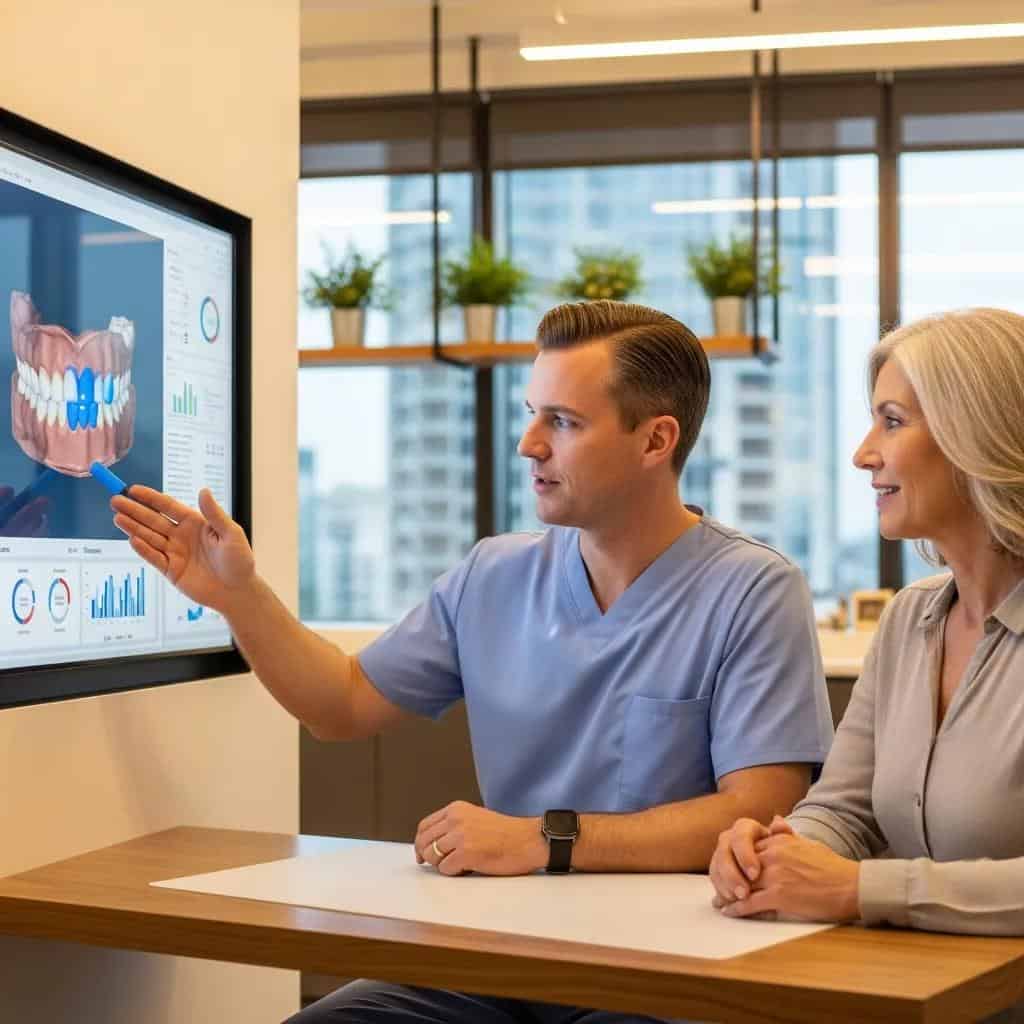
At The Harmony Dental Group, we understand that each patient has unique dental needs. Our personalized approach to dental care ensures that you receive the best possible treatment tailored to your specific situation.
Indeed, a client-oriented and individualized approach is crucial for fostering patient compliance and ensuring successful dental outcomes.
Personalized Dental Care: Enhancing Patient Compliance
The study findings highlight the importance of building confidential relationships with the patient and the need for a client-oriented approach to developing treatment plans and strategies for different types of dental patients. In the future, based on the study results, we find it necessary to elaborate more specific criteria for assessing personality characteristics of patients which determine their ability to comply with the doctor’s recommendations. The dentist should not expect the success of their work without applying individual psychological approach to each particular patient.
Characteristics of dental patients determining their compliance level in dentistry: relevance for predictive, preventive, and personalized medicine, 2018
What Advanced Technologies Enhance Early Detection and Comfort?
We utilize advanced technologies, such as digital X-rays and intraoral cameras, to enhance the accuracy of our diagnoses and improve patient comfort. These tools allow us to detect issues early and provide effective treatment options, ensuring a positive experience during your visits.
How Does Sedation Dentistry Help Overcome Dental Anxiety?
For patients who experience dental anxiety, sedation dentistry offers a solution to help them feel more comfortable during their appointments. By using various sedation techniques, we can ensure that your dental visits are as stress-free as possible, allowing you to focus on your oral health without fear.
How Often Should Kids, Adults, and Seniors See the Dentist?
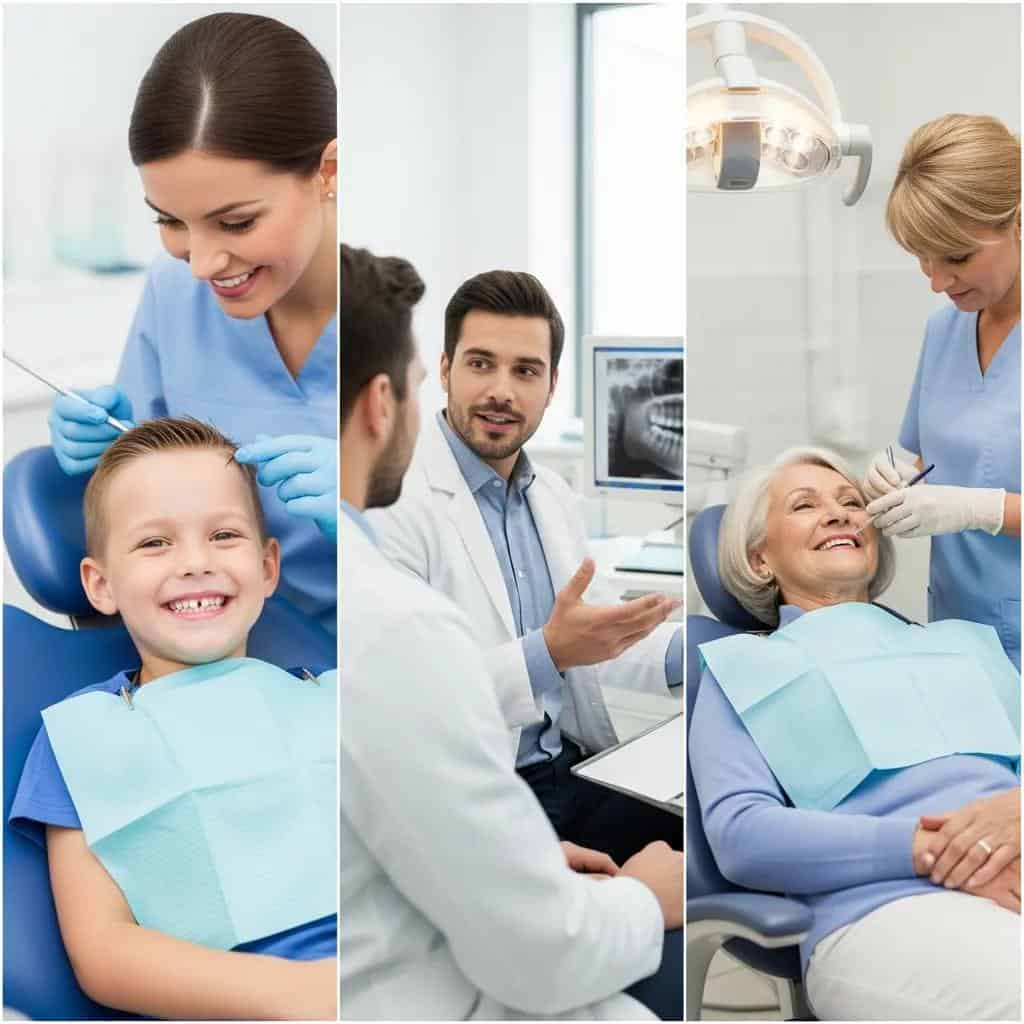
Dental visit recommendations vary by age group, reflecting the different needs of children, adults, and seniors. Understanding these recommendations can help you schedule your appointments effectively.
What Are Dental Visit Recommendations for Children and Teens?
Children and teens should visit the dentist every six months, as their teeth are still developing. Regular checkups are essential for monitoring growth and addressing any issues that may arise during these formative years. Early intervention can prevent more significant problems later on.
What Are Personalized Visit Schedules for Adults and Seniors?
Adults typically benefit from biannual visits, but those with specific dental concerns may need to see the dentist more frequently. Seniors, in particular, may require tailored schedules based on their unique dental health needs, including the management of chronic conditions and age-related changes in oral health.
What Are Common Questions About Dental Visit Frequency?
Many patients have questions regarding the frequency of dental visits. Addressing these concerns can help alleviate anxiety and promote better oral health practices.
Is It Harmful to Visit the Dentist Less Than Twice a Year?
Visiting the dentist less than twice a year can lead to undetected dental issues, which may worsen over time. Regular checkups are crucial for maintaining oral health and preventing complications that could require more extensive treatment.
Who Needs More Frequent Dental Checkups?
Certain individuals may require more frequent dental checkups, including those with chronic health conditions, a history of dental problems, or specific lifestyle factors that increase their risk for oral health issues. Consulting with your dentist can help determine the best schedule for your needs.
Frequently Asked Questions
What should I expect during a dental checkup?
During a dental checkup, you can expect a thorough examination of your teeth, gums, and mouth. The dentist will check for cavities, gum disease, and other oral health issues. Professional cleaning will be performed by a dental hygienist to remove plaque and tartar buildup. X-rays may also be taken to identify hidden problems. The dentist will discuss your oral health, recommend any necessary treatments, and answer any questions you may have about your dental care.
How can I prepare for my dental visit?
To prepare for your dental visit, ensure you have all necessary information, such as your medical history and any medications you are taking. Arrive a few minutes early to fill out any paperwork. It’s also helpful to brush and floss your teeth before the appointment. If you have specific concerns or questions, write them down to discuss with your dentist. Being prepared can help make your visit more efficient and productive.
What are the signs that I need to see a dentist sooner than my scheduled visit?
If you experience persistent pain, swelling, or bleeding in your gums, it’s essential to see a dentist sooner than your scheduled visit. Other signs include sensitivity to hot or cold, loose teeth, or any changes in your oral health, such as sores that do not heal. Additionally, if you notice any unusual changes in your bite or have difficulty chewing, it’s crucial to seek dental care promptly to prevent further complications.
Are there any risks associated with delaying dental visits?
Delaying dental visits can lead to several risks, including the progression of untreated dental issues like cavities and gum disease. These conditions can worsen over time, potentially resulting in more extensive and costly treatments, such as root canals or extractions. Additionally, poor oral health can impact overall health, as oral infections may contribute to systemic issues. Regular checkups help catch problems early, reducing the risk of serious complications.
How does my diet affect my dental health and visit frequency?
Your diet plays a significant role in your dental health. Consuming high-sugar and acidic foods can increase the risk of cavities and gum disease, potentially necessitating more frequent dental visits. A balanced diet rich in vitamins and minerals supports oral health and can help reduce the need for additional checkups. Foods high in calcium, phosphorus, and vitamin C are particularly beneficial for maintaining strong teeth and healthy gums.
What should I do if I have dental anxiety?
If you experience dental anxiety, it’s important to communicate this with your dentist. Many dental practices, including The Harmony Dental Group, offer sedation dentistry options to help you feel more comfortable during your visit. Additionally, practicing relaxation techniques, such as deep breathing or visualization, can help ease anxiety. Bringing a friend or family member for support can also make the experience less stressful. Your comfort is a priority, and there are many strategies to help manage anxiety.
Conclusion
Regular dental visits are vital for maintaining optimal oral health and preventing serious issues, tailored to individual needs. Understanding the factors that influence your ideal visit frequency can empower you to make informed decisions about your dental care. At The Harmony Dental Group, we are committed to providing personalized care that meets your unique requirements. Schedule your next appointment with us today to ensure your smile stays healthy and bright.