The Oral
Systemic Connection: Understanding Mouth and Body Health for Holistic Wellness

The relationship between oral health and overall systemic health is a critical area of study that has gained significant attention in recent years. The oral systemic connection refers to how conditions in the mouth can affect the health of the entire body. This article will explore the mechanisms behind this connection, the systemic diseases linked to poor oral health, and the importance of maintaining good oral hygiene for overall wellness. Many individuals may not realize that neglecting oral health can lead to serious health issues, making it essential to understand this connection. We will delve into the pathways linking oral health to systemic diseases, the impact of oral health on pregnancy, and how The Harmony Dental Group addresses these concerns through advanced dental care practices.
What Is the Oral Systemic Connection and Why Does It Matter?
The oral systemic connection is the concept that oral health significantly impacts overall health. Poor oral hygiene can lead to the proliferation of harmful bacteria, which can enter the bloodstream and contribute to systemic inflammation. This inflammation is linked to various health issues, including cardiovascular disease and diabetes. Understanding this connection is vital for recognizing the importance of maintaining good oral hygiene and regular dental check-ups. By prioritizing oral health, individuals can potentially reduce their risk of developing serious systemic diseases.
How Do Oral Bacteria and Inflammation Affect Overall Health?
Oral bacteria play a crucial role in the oral systemic connection. When oral hygiene is neglected, harmful bacteria can thrive, leading to periodontal disease. This condition causes inflammation in the gums, which can release inflammatory markers into the bloodstream. Research indicates that specific bacteria, such as Porphyromonas gingivalis, are associated with systemic diseases like heart disease and diabetes. The inflammatory response triggered by these bacteria can exacerbate existing health conditions and contribute to the development of new ones.
What Pathways Link Oral Health to Systemic Diseases?
The pathways linking oral health to systemic diseases primarily involve the entry of oral bacteria into the bloodstream. When the gums are inflamed or infected, bacteria can breach the gum barrier and enter the circulatory system. This process can lead to systemic inflammation, which is a risk factor for various diseases, including cardiovascular disease and respiratory infections. Additionally, the inflammatory response can affect insulin sensitivity, linking poor oral health to diabetes management. Understanding these pathways highlights the importance of maintaining good oral hygiene to prevent systemic health issues.
Which Systemic Diseases Are Linked to Gum Disease and Oral Health?
Gum disease is not just a localized issue; it has far-reaching implications for systemic health. Research has shown that individuals with gum disease are at a higher risk for several systemic diseases. This section will explore some of the most significant connections between gum disease and systemic health.
How Does Gum Disease Increase the Risk of Heart Disease?
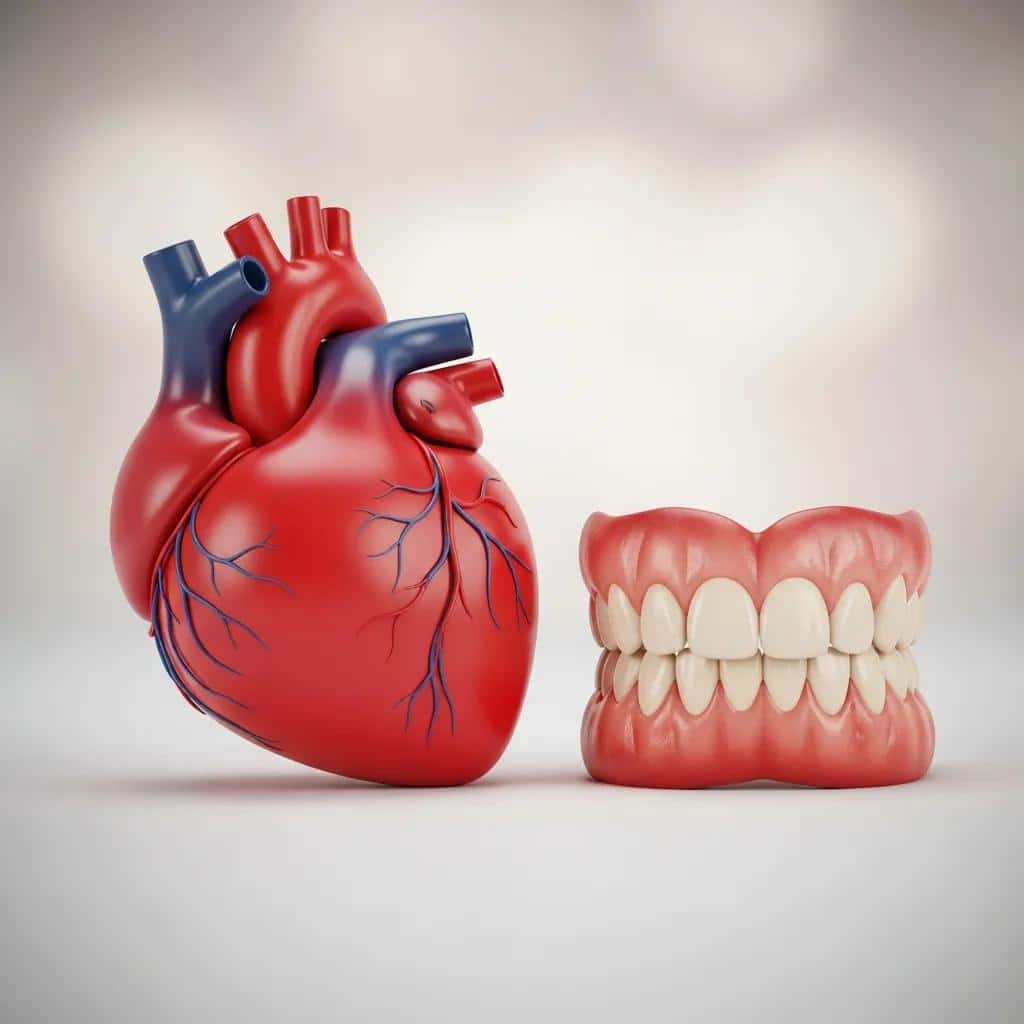
Gum disease has been linked to an increased risk of heart disease through several mechanisms. The inflammation caused by periodontal disease can contribute to the buildup of plaque in the arteries, a condition known as atherosclerosis. Studies have shown that individuals with gum disease are more likely to experience heart attacks and strokes. Preventive measures, such as regular dental cleanings and good oral hygiene practices, can significantly reduce this risk.
Further research underscores the direct correlation between the severity of periodontal disease and systemic inflammation, independently predicting the presence and extent of coronary artery disease.
Periodontal Disease & Coronary Artery Risk
Severity of periodontal disease correlates to inflammatory systemic status and independently predicts the presence and angiographic extent of stable coronary artery disease.
The association between maternal oral health experiences and risk of preterm birth in 10 states, Pregnancy Risk Assessment Monitoring System, 2004–2006, VC Smith, 2004
What Is the Bidirectional Relationship Between Diabetes and Oral Health?
The relationship between diabetes and oral health is bidirectional, meaning that each condition can affect the other. Poor oral health can make it more challenging to control blood sugar levels, while high blood sugar can exacerbate gum disease. Individuals with diabetes are more susceptible to infections, including those in the mouth, making regular dental visits essential for managing both conditions. Understanding this relationship emphasizes the importance of comprehensive care that addresses both oral and systemic health.
This bidirectional link is further supported by studies showing that managing periodontitis can lead to improvements in glycemic control for diabetic patients.
Bidirectional Link: Periodontitis & Diabetes
Periodontitis and diabetes are common, complex, chronic diseases with an established bidirectional relationship. That is, diabetes (particularly if glycaemic control is poor) is associated with an increased prevalence and severity of periodontitis, and, severe periodontitis is associated with compromised glycaemic control. Periodontal treatment (conventional non-surgical periodontal therapy) has been associated with improvements in glycaemic control in diabetic patients, with reductions in HbA1c of approximately 0.4% following periodontal therapy. For these reasons, management of periodontitis in people with diabetes is particularly important. The dental team therefore has an important role to play in the management of people with diabetes. An emerging role for dental professionals is envisaged, in which diabetes screening tools could be used to identify patients at high risk of diabetes, to enable them to seek further investigation and assessment from medical healthcare providers.
Diabetes and periodontal disease: a two-way relationship, FJ Hughes, 2014
How Does Oral Health Impact Pregnancy and Other Body Systems?
Oral health is particularly important during pregnancy, as poor oral hygiene can lead to complications for both the mother and the baby. This section will discuss the effects of oral health on pregnancy outcomes and its influence on other body systems.
What Are the Effects of Poor Oral Health on Pregnancy Outcomes?

Research indicates that poor oral health during pregnancy can be associated with adverse outcomes, such as preterm birth and low birth weight. The inflammation and bacteria associated with gum disease may affect the placenta and fetal development. Pregnant women should prioritize oral health by maintaining regular dental check-ups and practicing good oral hygiene to minimize these risks.
Indeed, studies confirm that maternal oral health, particularly the presence of periodontal disease, has significant implications for birth outcomes and infant well-being.
Oral Health, Pregnancy Outcomes & Infant Health
The mouth is an obvious portal of entry to the body, and oral health reflects and influences general health and well being. Maternal oral health has significant implications for birth outcomes and infant oral health. Maternal periodontal disease, that is, a chronic infection of the gingiva and supporting tooth structures, has been associated with preterm birth, development of preeclampsia, and delivery of a small-for-gestational age infant.
Oral health in women during preconception and pregnancy: implications for birth outcomes and infant oral health, KA Boggess, 2006
How Does Oral Health Influence Respiratory and Brain Health?
The impact of oral health extends beyond pregnancy; it also influences respiratory and brain health. Poor oral hygiene can lead to respiratory infections, as bacteria from the mouth can be inhaled into the lungs. Additionally, emerging research suggests a link between gum disease and cognitive decline, including conditions like Alzheimer's disease. Maintaining good oral health is essential for protecting both respiratory and cognitive functions.
How Does The Harmony Dental Group Address the Oral
Systemic Connection?
The Harmony Dental Group recognizes the importance of the oral systemic connection and offers comprehensive dental services to address these concerns. Their approach focuses on preventive care and advanced treatment options to promote overall health.
What Advanced Periodontal Therapies and Laser Dentistry Are Offered?
The Harmony Dental Group provides advanced periodontal therapies, including laser dentistry, to treat gum disease effectively. Laser treatments can minimize discomfort and promote faster healing, allowing for more efficient management of periodontal conditions. These innovative techniques help reduce inflammation and improve oral health, which can positively impact systemic health.
How Are Personalized Preventive Care Plans Designed for Systemic Wellness?
Personalized preventive care plans at The Harmony Dental Group are tailored to each patient's unique needs, focusing on both oral and systemic health. These plans may include regular cleanings, periodontal assessments, and education on proper oral hygiene practices. By addressing individual risk factors, the practice aims to enhance overall wellness and prevent systemic diseases linked to poor oral health.
What Preventive Dental Care Practices Support Whole-Body Health?
Preventive dental care is essential for maintaining both oral and systemic health. This section will explore various practices that support whole-body health through effective oral hygiene.
How Do Routine Dental Cleanings Help Prevent Systemic Inflammation?
Routine dental cleanings play a crucial role in preventing systemic inflammation by removing plaque and tartar buildup that can lead to gum disease. Regular visits to the dentist help identify early signs of periodontal disease, allowing for timely intervention. Studies have shown that individuals who maintain regular dental appointments experience lower levels of systemic inflammation, contributing to better overall health.
What Oral Hygiene Habits Promote Long-Term Mouth and Body Health?
Establishing good oral hygiene habits is vital for long-term health. Key practices include brushing twice daily, flossing regularly, and using mouthwash to reduce bacteria in the mouth. Additionally, maintaining a balanced diet and avoiding tobacco products can significantly enhance oral health. These habits not only promote a healthy mouth but also support overall systemic wellness.
What Common Questions Do Patients Have About the Oral
Systemic Health Link?
Patients often have questions regarding the oral systemic health link and its implications for their health. This section will address some of the most common inquiries.
What Is the Oral Systemic Link and How Does It Affect Me?
The oral systemic link refers to the connection between oral health and overall health. Poor oral hygiene can contribute to systemic diseases, making it essential to prioritize dental care. Patients should be aware of the potential risks associated with neglecting oral health and the benefits of maintaining good hygiene practices.
Can Treating Gum Disease Improve My Overall Health?
Yes, treating gum disease can lead to significant improvements in overall health. Research indicates that individuals who receive treatment for periodontal disease often experience better management of systemic conditions, such as diabetes and heart disease. Regular dental care and effective treatment of gum disease can enhance both oral and systemic health, highlighting the importance of comprehensive dental care.
Frequently Asked Questions
How can I improve my oral health to benefit my overall wellness?
Improving your oral health involves adopting a consistent oral hygiene routine. Brush your teeth at least twice a day with fluoride toothpaste, floss daily to remove plaque between teeth, and use an antibacterial mouthwash to reduce harmful bacteria. Regular dental check-ups are crucial for early detection of issues. Additionally, maintaining a balanced diet rich in vitamins and minerals can support gum health. Avoiding tobacco products and limiting sugary snacks will also contribute to better oral and systemic health.
What role does diet play in maintaining oral and systemic health?
Your diet significantly impacts both oral and systemic health. Foods high in sugar can lead to tooth decay and gum disease, while a diet rich in fruits, vegetables, whole grains, and lean proteins can promote healthy gums and teeth. Nutrients like calcium and vitamin D are essential for strong teeth, while antioxidants found in fruits and vegetables can help reduce inflammation. Staying hydrated is also important, as it helps wash away food particles and bacteria, supporting overall oral hygiene.
Are there specific dental products that can enhance my oral health?
Yes, certain dental products can enhance your oral health. Look for toothpaste that contains fluoride, as it helps strengthen tooth enamel and prevent decay. Antimicrobial mouthwashes can reduce plaque and gingivitis. Additionally, using interdental brushes or flossers can effectively clean between teeth where regular brushing may not reach. Chewing sugar-free gum can also stimulate saliva production, which helps neutralize acids and wash away food particles, further supporting oral health.
How often should I visit the dentist for preventive care?
It is generally recommended to visit the dentist every six months for preventive care. These regular check-ups allow for professional cleanings, which remove plaque and tartar buildup that can lead to gum disease. During these visits, your dentist can also identify early signs of dental issues and provide guidance on maintaining good oral hygiene. However, individuals with specific health conditions or higher risk factors may need to visit more frequently, as advised by their dental professional.
What are the signs that I may have gum disease?
Signs of gum disease include persistent bad breath, swollen or bleeding gums, receding gums, and increased tooth sensitivity. You may also notice changes in the way your teeth fit together when you bite or the presence of pus between your gums and teeth. If you experience any of these symptoms, it is essential to consult a dental professional promptly. Early intervention can prevent the progression of gum disease and its associated systemic health risks.
Can stress affect my oral health?
Yes, stress can significantly impact your oral health. It can lead to behaviors such as teeth grinding (bruxism) and neglecting oral hygiene, both of which can contribute to dental problems. Stress may also weaken your immune system, making it harder for your body to fight off infections, including those in the mouth. Additionally, stress can exacerbate conditions like gum disease. Managing stress through relaxation techniques, exercise, and proper self-care can help maintain both oral and overall health.
Conclusion
Understanding the oral systemic connection is vital for maintaining both oral and overall health, as poor dental hygiene can lead to serious systemic diseases. By prioritizing regular dental care and effective oral hygiene practices, individuals can significantly reduce their risk of conditions such as heart disease and diabetes. The Harmony Dental Group offers personalized preventive care plans to support this essential link between oral and systemic wellness. Take the first step towards better health by scheduling your dental appointment today.
About The Harmony Dental Group
The Harmony Dental Group is dedicated to promoting holistic wellness by recognizing and actively addressing the critical oral systemic connection. They offer comprehensive dental services, including advanced periodontal therapies and laser dentistry, to effectively treat gum disease and prevent its systemic implications. With a focus on personalized preventive care plans, The Harmony Dental Group tailors treatments to each patient's unique needs, aiming to enhance overall health and mitigate the risks of systemic diseases linked to poor oral health. Their commitment extends to educating patients on the importance of good oral hygiene for long-term mouth and body health.