Tooth Pain When Biting: Causes, Symptoms, and Effective Remedies
Experiencing tooth pain when biting can be a distressing issue that affects daily life and overall well-being. This discomfort may stem from various underlying causes, ranging from minor dental issues to more serious conditions. Understanding the reasons behind this pain is crucial for effective management and treatment. In this article, we will explore the common causes of tooth pain when biting, how dental professionals diagnose these issues, and the treatment options available to alleviate discomfort. Additionally, we will discuss when it is essential to seek dental care to prevent further complications. For expert care, Dr. Richard Malek at The Harmony Dental Group offers comprehensive diagnosis and treatment to address these concerns effectively.
What Are the Common Causes of Tooth Pain When Biting?
Tooth pain when biting can arise from several dental issues, each with distinct characteristics and implications. Common causes include cracked teeth, cavities, and gum disease. Identifying the specific cause is vital for determining the appropriate treatment and preventing further damage.
Beyond common issues, severe conditions like periodontal inflammation and dental abscesses can also be significant contributors to persistent biting pain.
Causes of Pain When Biting: Abscess and Inflammation
and periodontal membrane, initiating periodontal inflammation and eventually a dental abscess causing spontaneous long lasting pain and pain on biting on the tooth. Typically the
Dental (odontogenic) pain, 2011
How Do Cracked Teeth Lead to Biting Pain?
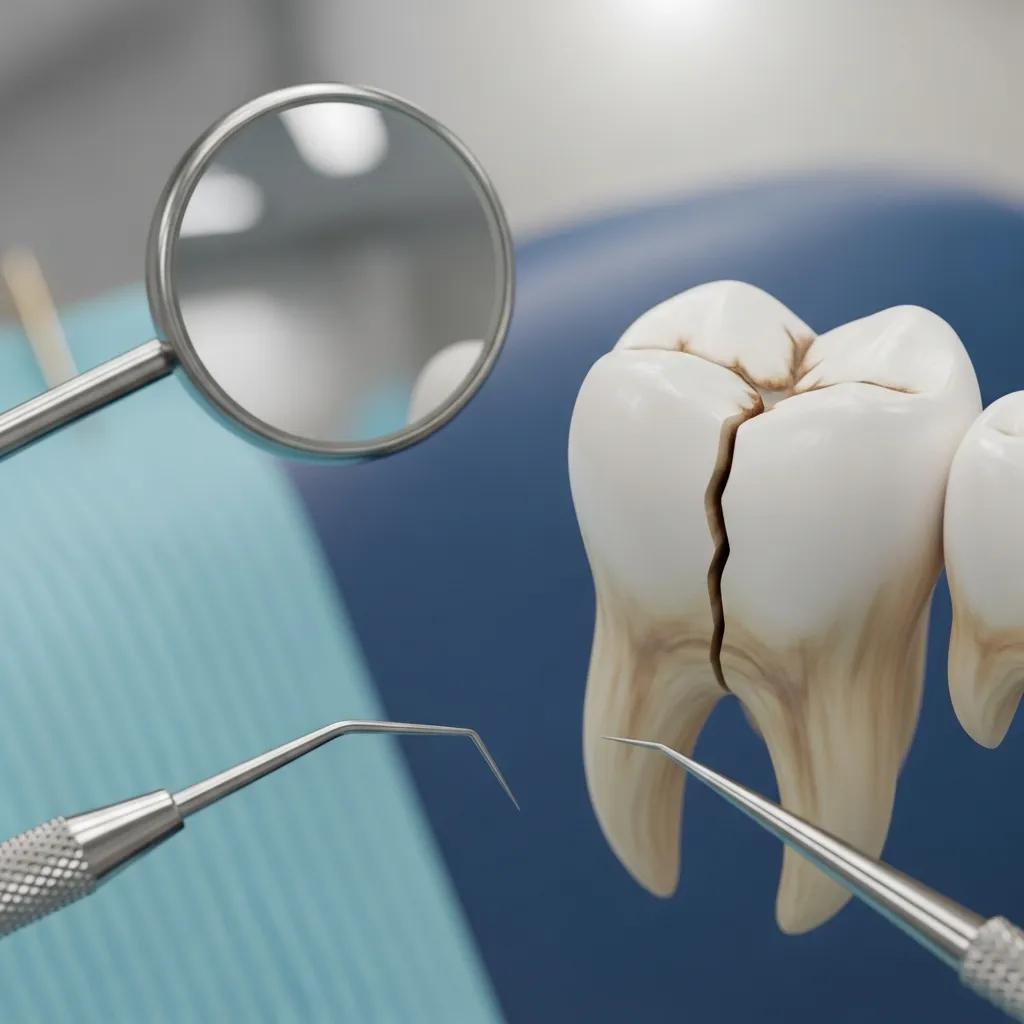
Cracked teeth can lead to significant pain when biting due to the exposure of sensitive dental nerves. When pressure is applied during chewing, the crack may expand, causing discomfort. Symptoms of cracked teeth often include sharp pain during biting or chewing, sensitivity to temperature changes, and lingering discomfort after eating. Understanding the types of cracks, such as craze lines or fractures, can help in diagnosing the severity of the issue.
Can Tooth Sensitivity Cause Pain When Chewing?
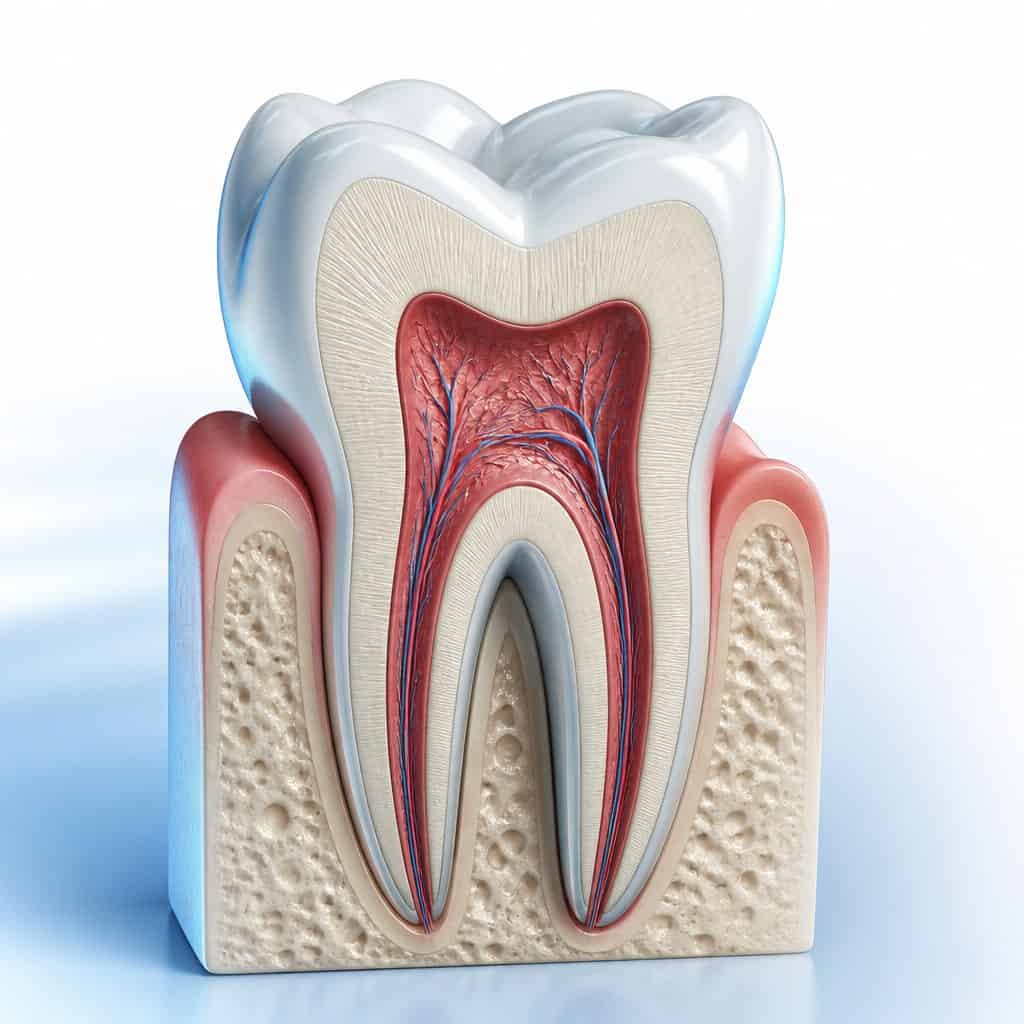
Tooth sensitivity is another common reason for pain when chewing. This condition occurs when the protective enamel wears down, exposing the underlying dentin and nerves. Factors contributing to tooth sensitivity include aggressive brushing, gum recession, and certain dental procedures. Individuals may experience pain when consuming hot, cold, or sweet foods. Management strategies often involve using desensitizing toothpaste and avoiding triggers that exacerbate the sensitivity.
Dentin hypersensitivity, often described as the 'common cold of dentistry,' is a widespread condition characterized by sharp, short pain from exposed dentin.
Dentin Hypersensitivity: Symptoms and Causes of Tooth Pain
Dentin hypersensitivity (DH), referred to as the “common cold of dentistry,” is defined as short, sharp pain arising from the exposed dentin in response to thermal, evaporative, tactile, osmotic, or chemical stimuli that cannot be ascribed to any other form of dental defect or pathology1. A wide prevalence range was observed, from as low as 1.3% to as high as 92.1%, in the studies included in the meta-analysis2; the study reported the best estimate of DH prevalence to be 11.5%, and the average from all studies was 33.5%2. DH can be quite bothersome because of the discomfort and severe disturbances in daily activities. Clinicians must rule out other factors with symptoms similar to those of DH, including caries, tooth fractures, and defective
A randomized clinical trial for comparing the efficacy of desensitizing toothpastes on the relief of dentin hypersensitivity, DS Kim, 2023
How Is Tooth Pain Diagnosed by Dental Professionals?
Dental professionals utilize various methods to diagnose the cause of tooth pain effectively. A thorough examination and appropriate diagnostic imaging techniques are essential for accurate assessment. At The Harmony Dental Group, Dr. Richard Malek employs advanced diagnostic tools to ensure precise identification of the underlying issues.
What Does a Dental Examination for Biting Pain Involve?
A dental examination for biting pain typically involves a visual inspection of the teeth and gums, along with a review of the patient's medical history. The dentist may also perform tests to assess sensitivity and check for any visible signs of damage or decay. This comprehensive approach helps in identifying the root cause of the pain. Dr. Richard Malek and his team at The Harmony Dental Group prioritize thorough examinations to provide tailored treatment plans.
Which Diagnostic Imaging Techniques Detect Tooth Nerve Pain?
Diagnostic imaging techniques, such as X-rays and CT scans, play a crucial role in detecting tooth nerve pain. X-rays can reveal cavities, cracks, and other structural issues that may not be visible during a physical examination. CT scans provide a more detailed view of the tooth and surrounding structures, allowing for a thorough evaluation of potential nerve involvement. The Harmony Dental Group utilizes state-of-the-art imaging technology under the expertise of Dr. Richard Malek to enhance diagnostic accuracy.
What Treatment Options Relieve Tooth Pain When Biting?
Several treatment options are available to relieve tooth pain when biting, depending on the underlying cause. These may include dental fillings, root canal treatments, and home remedies. Dr. Richard Malek at The Harmony Dental Group offers personalized treatment plans to effectively address each patient's unique needs.
How Do Dental Fillings and Root Canal Treatments Alleviate Pain?
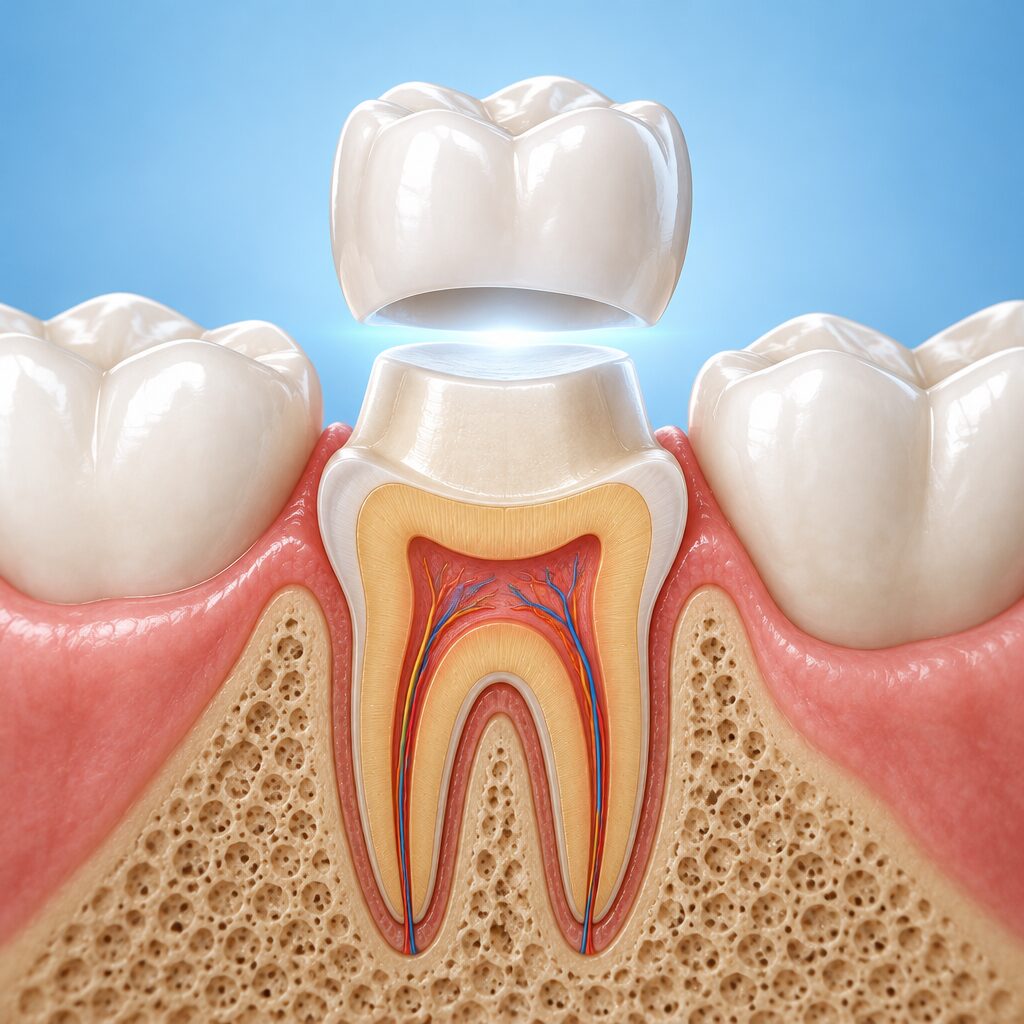
Dental fillings are commonly used to treat cavities and restore the tooth's structure. By removing decayed material and sealing the tooth, fillings can alleviate pain and prevent further damage. In cases where the tooth's nerve is affected, a root canal treatment may be necessary. This procedure involves removing the infected nerve tissue, cleaning the root canals, and sealing them to prevent reinfection. Both treatments aim to restore function and relieve discomfort effectively. Dr. Richard Malek ensures these procedures are performed with precision and care at The Harmony Dental Group.
What Remedies Help Manage Tooth Sensitivity and Discomfort?

For those experiencing tooth sensitivity, several remedies can help manage discomfort. Over-the-counter desensitizing toothpaste can provide relief by blocking nerve signals. Additionally, lifestyle changes, such as avoiding acidic foods and using a soft-bristled toothbrush, can help protect sensitive teeth. Regular dental check-ups are also essential for maintaining oral health and addressing any emerging issues promptly. Dr. Richard Malek and The Harmony Dental Group recommend these strategies as part of a comprehensive approach to oral care.
When Should You See a Dentist for Tooth Pain When Biting?
Recognizing when to seek dental care is crucial for preventing further complications associated with tooth pain. Certain warning signs indicate the need for immediate attention. Dr. Richard Malek at The Harmony Dental Group advises patients to be vigilant about these symptoms and seek prompt evaluation.
What Are the Warning Signs That Require Immediate Dental Care?
Warning signs that necessitate immediate dental care include severe pain that persists, swelling around the affected tooth, and difficulty opening the mouth. If pain is accompanied by fever or a foul taste in the mouth, these may indicate an infection that requires prompt treatment. Ignoring these symptoms can lead to more serious dental issues. The Harmony Dental Group is equipped to provide urgent care to address these concerns effectively.
How Can Early Diagnosis Prevent Tooth Nerve Damage?
Early diagnosis of tooth pain can significantly reduce the risk of nerve damage and other complications. Timely intervention allows for appropriate treatment, which can prevent the need for more invasive procedures in the future. Regular dental visits and being attentive to changes in oral health are essential for maintaining overall dental well-being. Dr. Richard Malek emphasizes the importance of early detection and proactive care at The Harmony Dental Group to ensure optimal dental health.
Frequently Asked Questions
What lifestyle changes can help prevent tooth pain when biting?
Making certain lifestyle changes can significantly reduce the risk of tooth pain when biting. Maintaining good oral hygiene by brushing twice a day and flossing regularly is essential. Additionally, avoiding hard or sticky foods can prevent damage to teeth. Limiting sugary snacks and beverages helps reduce the risk of cavities. Staying hydrated and using fluoride toothpaste can strengthen enamel. Regular dental check-ups are also crucial for early detection of potential issues, allowing for timely intervention and treatment.
Are there any home remedies for tooth pain relief?
Yes, several home remedies can provide temporary relief from tooth pain. Rinsing with warm salt water can help reduce inflammation and cleanse the affected area. Applying a cold compress to the outside of the cheek can numb the pain and reduce swelling. Clove oil, known for its analgesic properties, can be applied directly to the painful area for relief. However, these remedies are not substitutes for professional dental care and should be used as a temporary measure until you can see a dentist.
How does gum disease contribute to tooth pain when biting?
Gum disease, or periodontal disease, can lead to tooth pain when biting due to inflammation and infection of the gums. As the disease progresses, it can cause the gums to recede, exposing the tooth roots and leading to increased sensitivity and pain. Additionally, the bacteria associated with gum disease can create pockets around the teeth, which may contribute to discomfort when pressure is applied during biting. Early treatment of gum disease is essential to prevent further complications and alleviate pain.
Can stress affect tooth pain and sensitivity?
Yes, stress can significantly impact dental health, potentially leading to tooth pain and sensitivity. Stress may cause individuals to grind their teeth (bruxism), which can result in cracked teeth and increased sensitivity. Additionally, stress can weaken the immune system, making it harder for the body to fight off infections, including those affecting the gums and teeth. Managing stress through relaxation techniques, exercise, and proper sleep can help mitigate its effects on dental health.
What role does diet play in tooth pain and sensitivity?
Your diet plays a crucial role in dental health and can influence tooth pain and sensitivity. Consuming a diet high in sugars and acids can lead to enamel erosion and cavities, increasing the likelihood of pain when biting. Foods that are hard or sticky can also damage teeth, leading to cracks or decay. Incorporating a balanced diet rich in vitamins and minerals, particularly calcium and vitamin D, can strengthen teeth and gums, helping to prevent pain and sensitivity.
How can I differentiate between tooth pain and jaw pain?
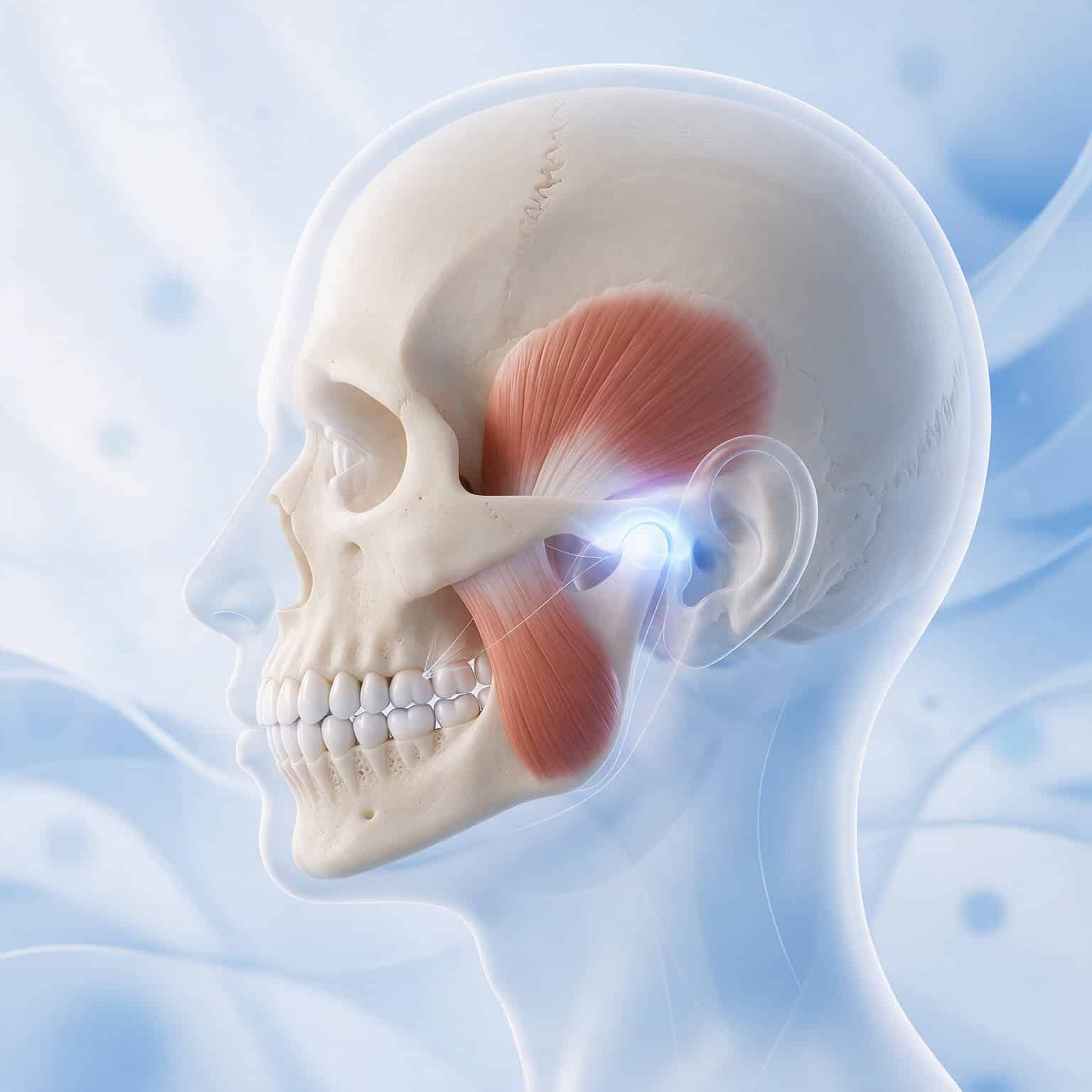
Differentiating between tooth pain and jaw pain can be challenging, but there are key indicators. Tooth pain is often localized to a specific tooth and may worsen with biting or chewing. It can also be accompanied by sensitivity to temperature changes. In contrast, jaw pain may feel more generalized and can be associated with muscle tension, clicking sounds, or difficulty moving the jaw. If you're unsure, it's best to consult a dental professional for an accurate diagnosis and appropriate treatment.
Conclusion
Understanding the causes of tooth pain when biting is essential for effective management and treatment, ensuring your dental health is prioritized. By recognizing symptoms and seeking timely care, you can prevent further complications and maintain overall well-being. Explore the comprehensive services offered by Dr. Richard Malek at The Harmony Dental Group to address your dental concerns effectively. Schedule your appointment today to take the first step towards a pain-free smile.
_____________________________________________________________
About The Harmony Dental Group
The Harmony Dental Group is dedicated to providing exceptional dental care with a focus on patient comfort and advanced treatment options. Led by Dr. Richard Malek, the team combines expertise with compassionate service to ensure every patient receives personalized and effective dental solutions. Committed to maintaining the highest standards of oral health, The Harmony Dental Group offers a welcoming environment equipped with the latest technology to meet all your dental needs.
Related reading from The Harmony Dental Group
- Sudden Tooth Sensitivity: Causes You Shouldn't Ignore
- Receding Gums: Early Signs, Causes, and What To Do
- Same-Day Dental Crowns in Norwalk, CT: Restore Your Tooth in One Visit
Ready to book your visit?
Call 203-354-3193 or request an appointment online. The Harmony Dental Group · Dr. Richard Malek · Norwalk, CT.