Waking up with a sore jaw, a dull headache, or teeth that feel tender before you have even had coffee? You may be grinding or clenching your teeth at night, and you are far from alone. Stress, poor sleep, and a bite that is slightly off can all keep your jaw working overtime while you sleep. At The Harmony Dental Group in Norwalk, CT, Dr. Richard Malek helps patients protect their teeth and calm jaw pain with a custom-fitted night guard and a plan built around what is actually causing the problem.
Signs you might be grinding or clenching
Most people who grind (the clinical term is bruxism) have no idea they do it, because it happens while they sleep. Common clues include:
- Morning headaches, often at the temples
- A sore, tight, or tired jaw when you wake up
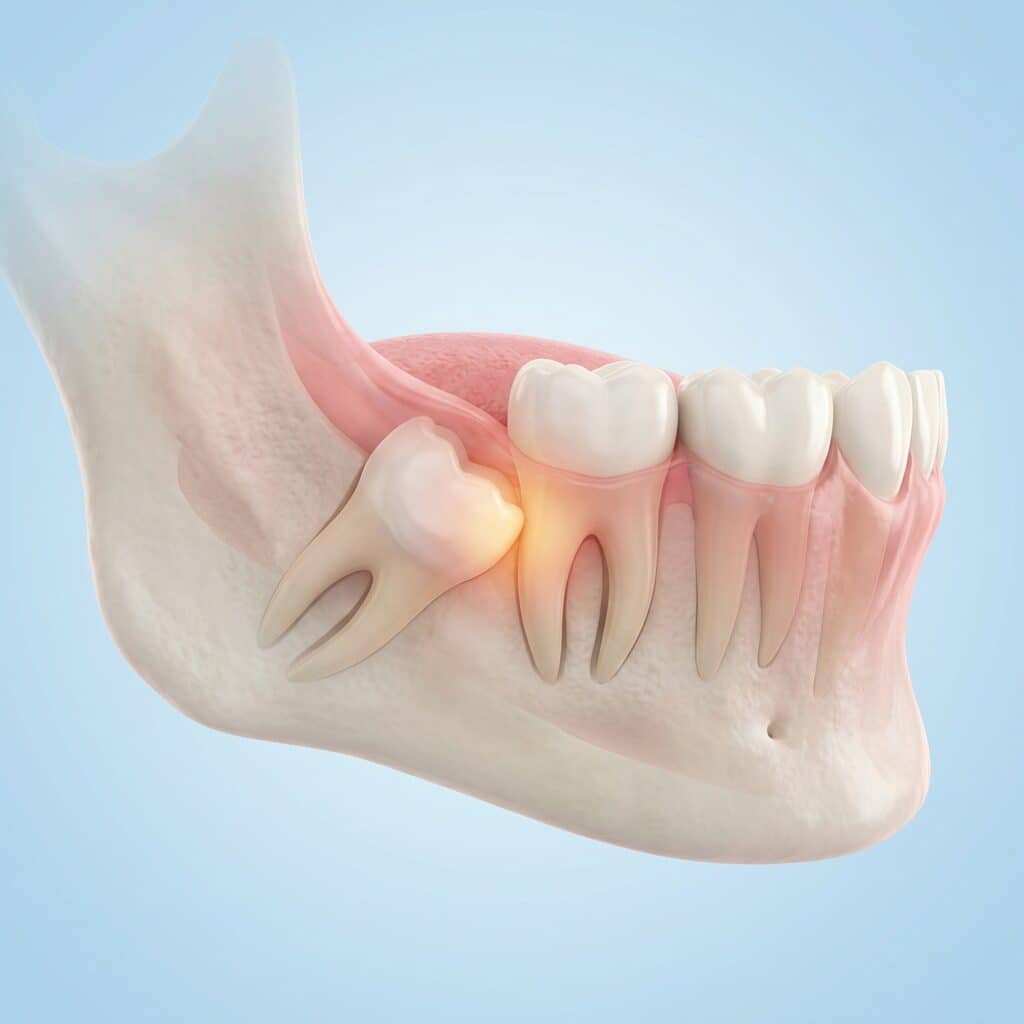
- Teeth that look flattened, chipped, or worn down
- New sensitivity to hot or cold
- Clicking, popping, or stiffness when you open your mouth
- A partner who hears grinding at night
Our teeth grinding treatment page covers the basics, and our earlier article on understanding bruxism goes deeper into why it happens.
Grinding, clenching, and TMJ: how they connect
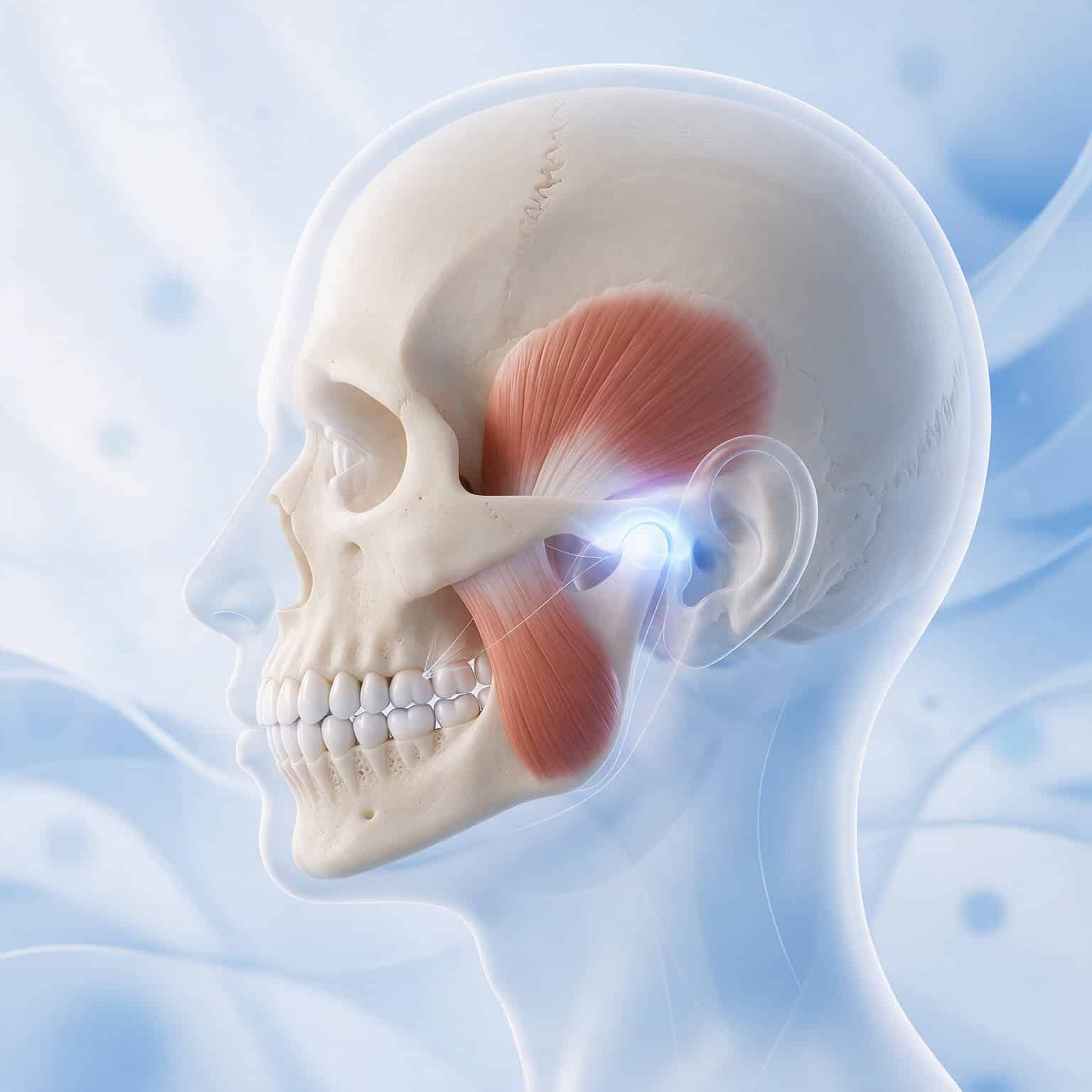
Your temporomandibular joints (TMJ) are the hinges that connect your jaw to your skull, just in front of each ear. When you clench or grind night after night, the muscles and joints around them get overworked, which can lead to jaw pain, clicking, limited opening, and headaches, often grouped under the term TMJ disorder or TMD. Not every sore jaw comes from grinding, so the first step is a careful exam to find out what is really going on.
Why a custom night guard beats a drugstore guard
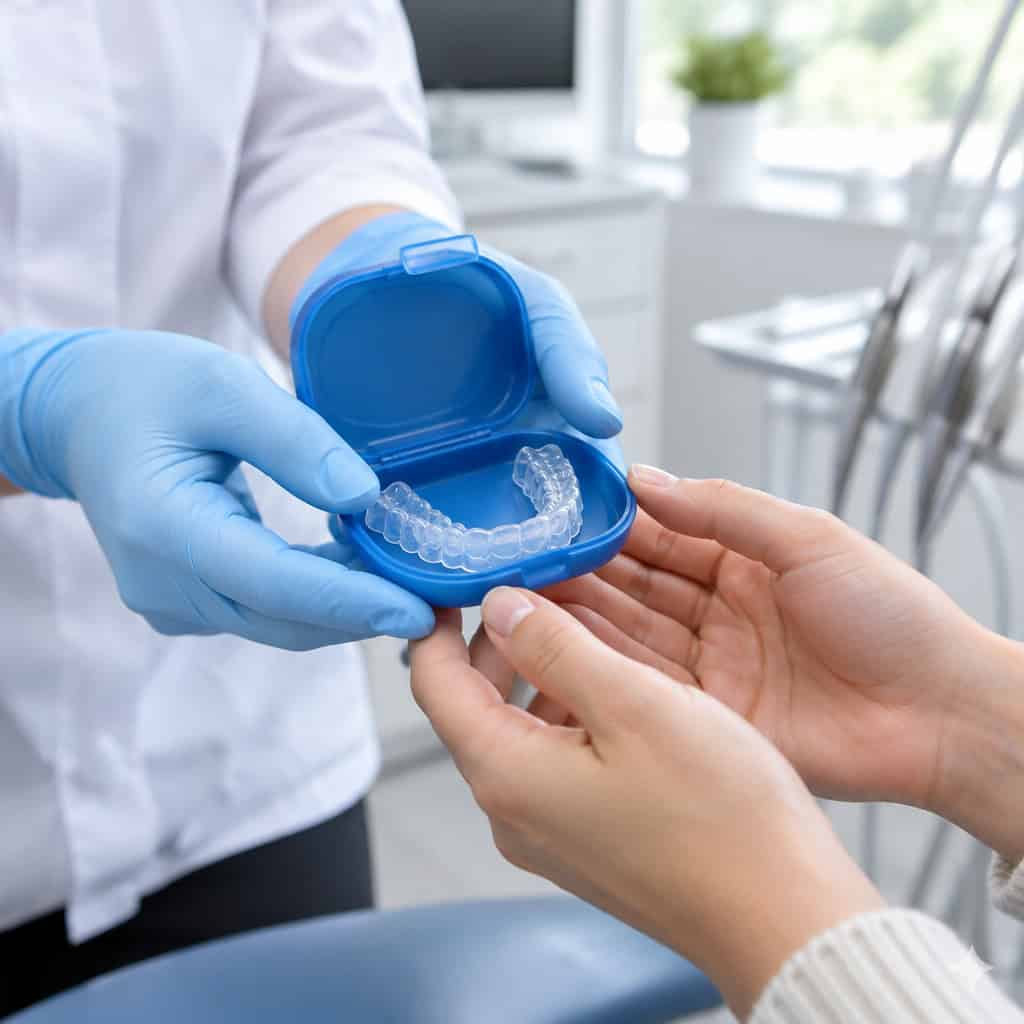
A night guard is a thin, comfortable appliance you wear while you sleep. It cushions your teeth so the grinding forces hit the guard instead of your enamel, and it can help your jaw muscles relax. Boil-and-bite guards from the pharmacy are bulky, wear through quickly, and can even shift your bite. A custom guard is made from precise impressions of your teeth, so it fits snugly, stays in place, and is slim enough that you can actually sleep in it. It is part of our wider range of oral appliances.
What else can help
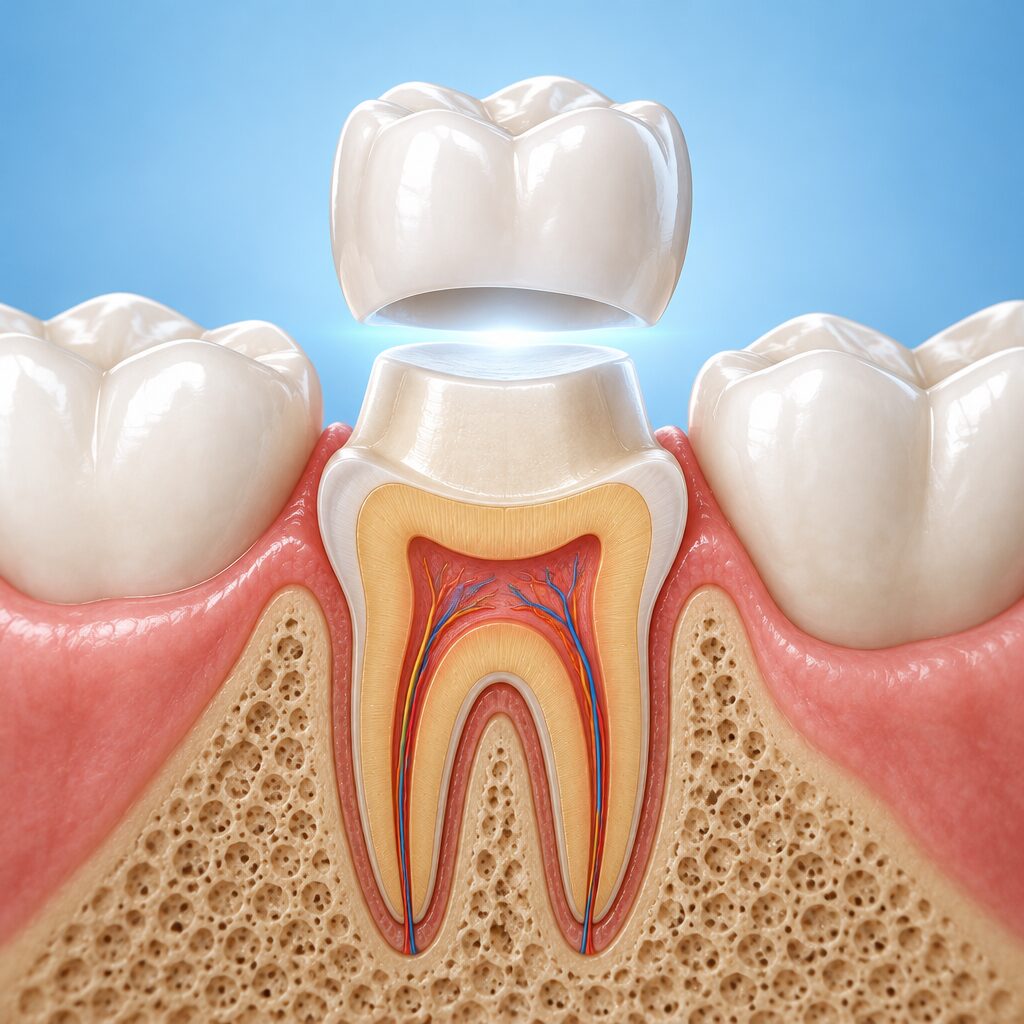
A night guard protects your teeth, and a few daily habits help calm the jaw itself: easing up on caffeine and alcohol in the evening, avoiding gum and very chewy foods during flare-ups, gentle jaw stretches, and finding ways to unwind before bed. If damage has already happened, we can repair worn or chipped teeth. Grinding can also go hand in hand with disrupted sleep, so if you snore loudly or wake up exhausted, our guide to sleep apnea treatment in Norwalk is worth a read.
Why it is worth treating early
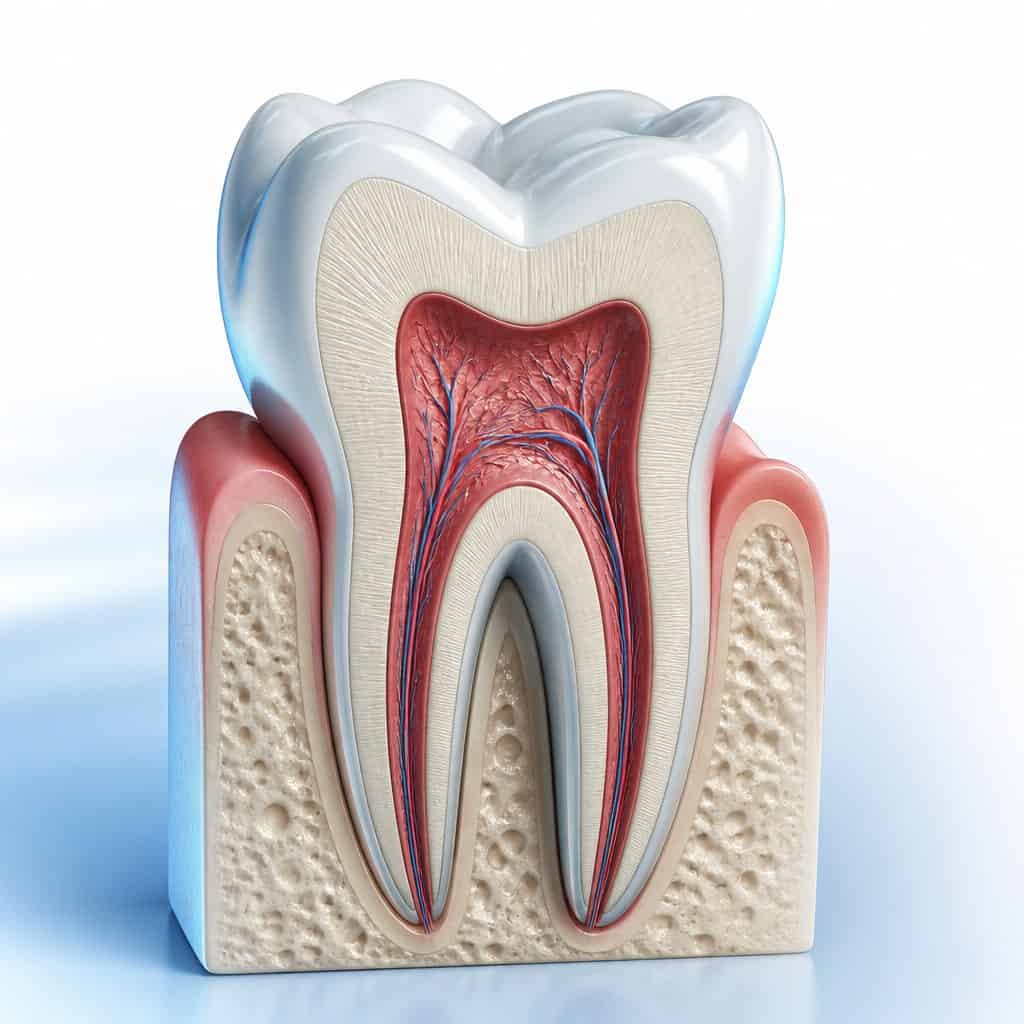
Grinding does its damage slowly and quietly. Over the years it can wear enamel down, crack teeth and fillings, and make the jaw pain harder to settle. Protecting your teeth now with a well-made guard is far simpler and more affordable than restoring worn or broken teeth later.
Why Norwalk patients choose The Harmony Dental Group
Dr. Richard Malek and our team have earned a 4.9-star rating from hundreds of neighbors across Norwalk, South Norwalk, and Fairfield County. We take the time to look at your teeth, your bite, and your jaw, explain what we find in plain language, and make a guard that feels good enough to wear every night.
Tired of waking up sore? Call 203-354-3193 to book an exam with your dentist in Norwalk, CT.
Related reading
- Sleep Apnea Dentist in Norwalk, CT: Treat Snoring Without CPAP
- Understanding Bruxism and Its Effects
- Dental Bonding in Norwalk, CT: Fix Chips and Gaps in One Visit
Frequently asked questions about teeth grinding and TMJ in Norwalk, CT
How do I know if I grind my teeth at night?
Morning jaw soreness, headaches, worn or chipped teeth, and new sensitivity are the most common signs. During a checkup, Dr. Malek can spot wear patterns that tell us whether grinding is happening.
Will a night guard stop me from grinding?
A guard does not always stop the habit, but it protects your teeth from the damage and often helps the jaw muscles relax, which many patients feel as less morning pain.
Is a custom night guard really better than a store-bought one?
Yes. A custom guard is thinner, fits precisely, stays in place, and lasts much longer. Store-bought guards are bulky and can wear through or affect your bite.
Can a dentist help with TMJ pain?
Often, yes. Many jaw problems are linked to clenching and grinding, which a dentist can treat. If your symptoms point to something more, we will coordinate with your physician or a specialist.
Ready to wake up without jaw pain?
Book an exam and custom night guard fitting with Dr. Richard Malek at The Harmony Dental Group in Norwalk, CT. New patients always welcome.