Receding Gums: Early Signs, Causes, and Effective Treatment Options
Receding gums, a common dental issue, can lead to significant oral health problems if not addressed promptly. This condition occurs when the gum tissue surrounding the teeth wears away, exposing more of the tooth or the tooth's root. Understanding the early signs of gum recession is crucial for effective intervention and treatment. In this article, we will explore the early symptoms of gum recession, its causes, and the various treatment options available. Additionally, we will discuss preventive measures to maintain healthy gums and avoid further complications. By recognizing the signs and seeking timely treatment, individuals can protect their periodontal health and enhance their overall well-being. For expert care, Dr. Richard Malek and The Harmony Dental Group offer comprehensive evaluation and personalized treatment plans.
What Are the Early Signs and Symptoms of Gum Recession?
Identifying the early signs of gum recession is essential for effective treatment. Common symptoms include increased sensitivity in the teeth, particularly when consuming hot or cold foods and beverages. Additionally, individuals may notice bleeding gums during brushing or flossing, which can indicate underlying issues. Early detection of these symptoms can lead to timely intervention and prevent further gum damage. Dr. Richard Malek at The Harmony Dental Group emphasizes the importance of recognizing these signs early to maintain optimal oral health.
How to Recognize Gum Sensitivity and Bleeding Gums

Gum sensitivity often manifests as discomfort or pain when consuming certain foods or beverages. This sensitivity can be a direct result of exposed tooth roots due to gum recession. Bleeding gums, particularly during oral hygiene practices, are another critical indicator. If you notice blood on your toothbrush or dental floss, it is essential to consult a dental professional for evaluation. Dr. Richard Malek and the team at The Harmony Dental Group provide expert assessments to diagnose and manage these symptoms effectively.
What Does Gum Tissue Loss Look Like?
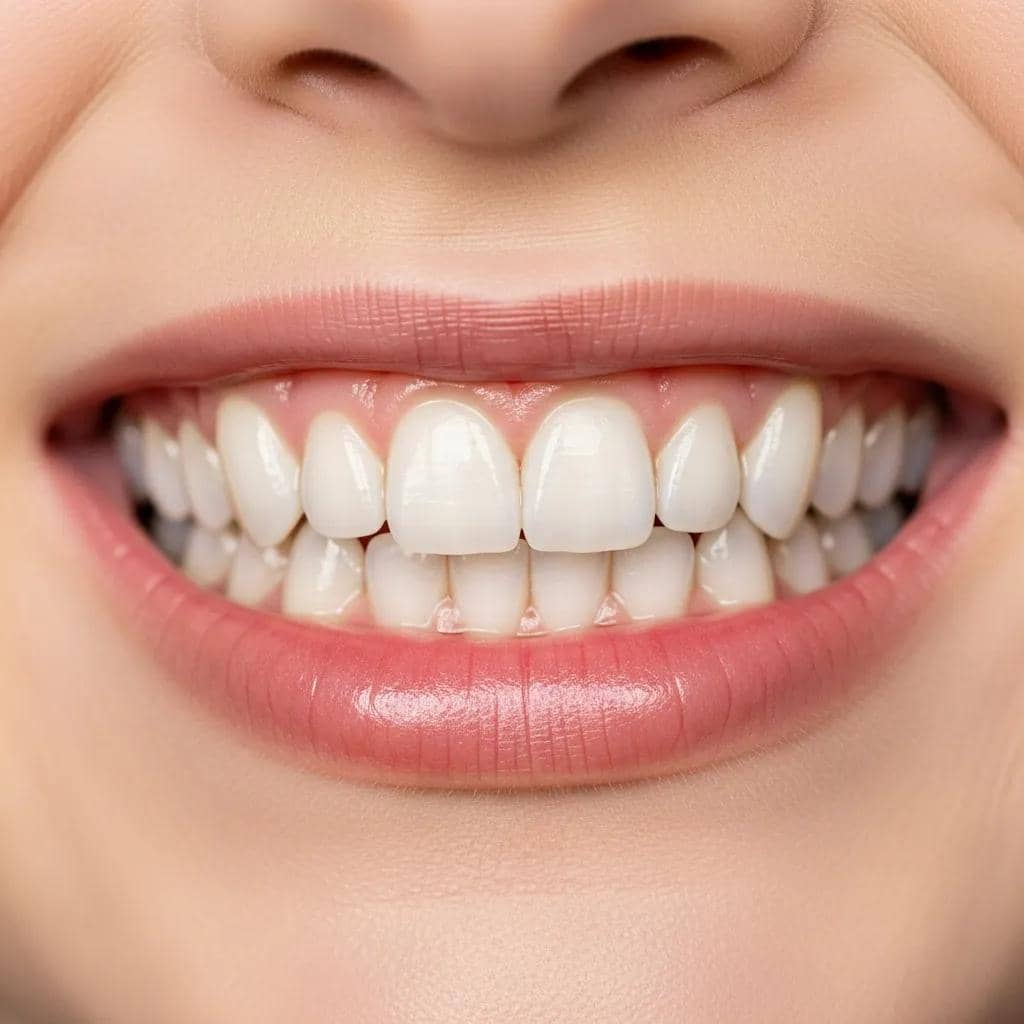
Visual indicators of gum tissue loss can include a noticeable change in the appearance of the gums, such as a receding line along the gum line. The teeth may appear longer than usual, and there may be a visible gap between the teeth and gums. These changes can be subtle at first, making regular dental check-ups vital for early detection. The Harmony Dental Group recommends routine visits to monitor gum health and catch recession early.
What Causes Gum Recession and Increases Risk?
Understanding the causes of gum recession is crucial for prevention and treatment. Several factors contribute to this condition, including poor oral hygiene, which can lead to plaque buildup and periodontal disease. Additionally, genetic predisposition plays a role, as some individuals may be more susceptible to gum issues. Dr. Richard Malek and The Harmony Dental Group provide guidance on identifying personal risk factors and implementing preventive strategies.
How Do Plaque Buildup and Periodontal Disease Lead to Gum Recession?
Plaque buildup is a sticky film of bacteria that forms on the teeth. If not removed through regular brushing and flossing, it can harden into tartar, leading to gum inflammation and periodontal disease. This inflammation can cause the gums to pull away from the teeth, resulting in recession. Understanding this relationship highlights the importance of maintaining good oral hygiene to prevent gum disease. The Harmony Dental Group offers professional cleanings and patient education to combat plaque and protect gum health.
Can Aggressive Brushing and Lifestyle Factors Contribute to Gum Damage?
Aggressive brushing techniques can also contribute to gum recession. Using a hard-bristled toothbrush or applying excessive pressure while brushing can wear down the gum tissue. Additionally, lifestyle factors such as smoking and poor nutrition can exacerbate gum problems, increasing the risk of recession. Adopting gentle brushing techniques and a healthy lifestyle can help mitigate these risks. Dr. Richard Malek advises patients at The Harmony Dental Group on proper brushing methods and lifestyle modifications to preserve gum tissue.
Further research confirms that improper brushing techniques, specifically toothbrush abrasion, are a significant factor in the development of gum recession.
Toothbrush Abrasion: A Key Cause of Gum Recession
Toothbrush abrasion also may cause wear at the cemento-enamel junction resulting in the recession. Key words: Tooth abrasion gingival abrasion toothbrush trauma gingival recession.
Toothbrushing and gingival recession, RE Cohen, 2003
What Are the Treatment Options for Receding Gums?
When it comes to treating receding gums, several options are available, ranging from non-surgical therapies to surgical interventions. It is essential to consult a dental professional to determine the most appropriate treatment based on the severity of the condition. Dr. Richard Malek and The Harmony Dental Group specialize in personalized treatment plans tailored to each patient's needs.
How Does Gum Graft Surgery Help Restore Gum Tissue?
Gum graft surgery is a common surgical procedure used to treat significant gum recession. During this procedure, tissue is taken from another area of the mouth or a donor source and grafted onto the affected area. This helps restore the gum line and protect the tooth roots, promoting better oral health. Patients can expect improved aesthetics and reduced sensitivity following the procedure. Dr. Richard Malek performs advanced gum grafting techniques at The Harmony Dental Group to ensure optimal outcomes.
Understanding the underlying causes and consequences of gum recession further emphasizes the importance of treatments like gum grafting to address exposed roots and related issues.
Gum Grafting: Treatment for Receding Gums, Causes & Hypersensitivity
The most common reason for which people seek gum grafting is gum recession. It is a common dental problem that manifests as apical migration of the gingival margins, leading to exposure of roots. Improper brushing techniques, poor oral hygiene (deposition of tartar), and certain lifestyle habits (like smoking) contribute to gum recession. Exposed roots can cause multiple problems. Generally, patients complain of hot/cold hypersensitivity and there is also an increased risk of tooth decay.
Gum Grafting: Restore Your Receding Gums & Improve Oral Health
What Non-Surgical Therapies Are Available for Gum Recession?

Non-surgical therapies for gum recession may include scaling and root planing, which involves deep cleaning the teeth and roots to remove plaque and tartar. Additionally, antimicrobial treatments can help reduce bacteria and inflammation. These non-invasive options can be effective for early-stage gum recession and are often recommended before considering surgical interventions. Dr. Richard Malek and The Harmony Dental Group provide these treatments with a focus on patient comfort and long-term gum health.
How Can You Prevent Gum Recession and Maintain Healthy Gums?
Preventing gum recession is largely about maintaining good oral hygiene and making healthy lifestyle choices. Regular dental check-ups and cleanings are essential for early detection and treatment of gum issues. The Harmony Dental Group encourages patients to schedule routine visits to support gum health and prevent recession.
What Oral Hygiene Practices Stop Gum Recession Early?
Effective oral hygiene practices include brushing twice a day with fluoride toothpaste, flossing daily, and using an antibacterial mouthwash. These practices help remove plaque and prevent gum disease, reducing the risk of recession. Additionally, using a soft-bristled toothbrush can prevent damage to the gums. Dr. Richard Malek recommends these practices to all patients at The Harmony Dental Group to maintain healthy gums.
How Does Early Diagnosis Improve Gum Disease Outcomes?
Early diagnosis of gum disease significantly improves treatment outcomes. Regular dental visits allow for professional cleanings and assessments, enabling dentists to identify potential issues before they escalate. By addressing gum problems early, patients can avoid more invasive treatments and maintain better overall oral health. Dr. Richard Malek and The Harmony Dental Group are committed to early detection and comprehensive care to ensure the best possible outcomes for their patients.
Frequently Asked Questions
What lifestyle changes can help prevent gum recession?
Making specific lifestyle changes can significantly reduce the risk of gum recession. Quitting smoking is crucial, as tobacco use can impair blood flow to the gums and hinder healing. Additionally, maintaining a balanced diet rich in vitamins and minerals supports gum health. Staying hydrated and avoiding excessive sugary foods can also help prevent plaque buildup. Regular exercise improves overall health, which can positively impact oral health. Consulting with a dental professional for personalized advice can further enhance preventive measures.
How often should I visit the dentist for gum health check-ups?
It is generally recommended to visit the dentist at least twice a year for routine check-ups and cleanings. However, individuals with a history of gum disease or other risk factors may need to schedule more frequent visits, such as every three to four months. Regular dental appointments allow for early detection of gum issues and professional cleaning to remove plaque and tartar buildup. Discussing your specific needs with your dentist can help determine the best schedule for maintaining optimal gum health.
Can stress affect gum health and contribute to recession?
Yes, stress can negatively impact gum health and contribute to gum recession. Stress can lead to poor oral hygiene habits, such as neglecting to brush or floss regularly. Additionally, stress may cause bruxism, or teeth grinding, which can put excessive pressure on the gums and teeth, leading to recession. Managing stress through relaxation techniques, exercise, and proper self-care can help maintain better oral health. It's essential to address both physical and mental well-being for optimal gum health.
Are there any specific products that can help with gum sensitivity?
Yes, several products can help alleviate gum sensitivity. Toothpaste specifically formulated for sensitive teeth can help reduce discomfort by blocking pathways to the nerves in the teeth. Additionally, using a soft-bristled toothbrush can minimize irritation to the gums. Antimicrobial mouthwashes can also help reduce inflammation and bacteria, promoting gum health. It's advisable to consult with a dental professional for recommendations tailored to your specific needs and to ensure the products are suitable for your oral health condition.
What role does genetics play in gum recession?
Genetics can play a significant role in an individual's susceptibility to gum recession. Some people may inherit traits that make their gums more prone to recession, such as thinner gum tissue or a predisposition to periodontal disease. Understanding your family history can help you identify your risk factors. Regular dental check-ups and proactive oral hygiene practices are essential for those with a genetic predisposition to gum issues, as early intervention can help mitigate potential problems.
How can I tell if my gum recession is severe enough to require surgery?
Determining the severity of gum recession typically involves a dental examination. Signs that may indicate the need for surgical intervention include significant exposure of tooth roots, increased sensitivity, and visible gaps between the teeth and gums. If you experience pain or discomfort, or if your gums continue to recede despite good oral hygiene, it is crucial to consult a dental professional. They can assess the condition and recommend appropriate treatment options, including whether surgery is necessary.
Conclusion
Addressing receding gums is essential for maintaining optimal oral health and preventing further complications. By recognizing early signs and seeking timely treatment, individuals can protect their gums and enhance their overall well-being. The Harmony Dental Group offers personalized care and effective treatment options tailored to your needs. Schedule a consultation today to take the first step towards healthier gums.
About The Harmony Dental Group
The Harmony Dental Group is dedicated to providing comprehensive dental care with a focus on patient comfort and personalized treatment. Led by Dr. Richard Malek, the team combines advanced techniques with compassionate care to address a wide range of oral health issues, including gum recession. Committed to education and prevention, The Harmony Dental Group strives to help patients maintain healthy smiles through regular check-ups, tailored treatment plans, and ongoing support. Experience expert dental care in a welcoming environment designed to meet your unique needs.
Related reading from The Harmony Dental Group
- Sudden Tooth Sensitivity: Causes You Shouldn't Ignore
- Why Do My Gums Bleed When I Brush?
- Tooth Pain When Biting: What It Could Mean
Ready to book your visit?
Call 203-354-3193 or request an appointment online. The Harmony Dental Group · Dr. Richard Malek · Norwalk, CT.