Finding out you have a cavity is never fun, and for many people the worst part is not the filling itself. It is the needle, the whine of the drill, and walking around with a numb, lopsided smile for the rest of the afternoon. At The Harmony Dental Group in Norwalk, CT, Dr. Richard Malek fills cavities with natural, tooth-colored material, and for many patients he can do it with the Solea laser: often no needle, no drill, and no numbness afterward.
What are tooth-colored fillings?
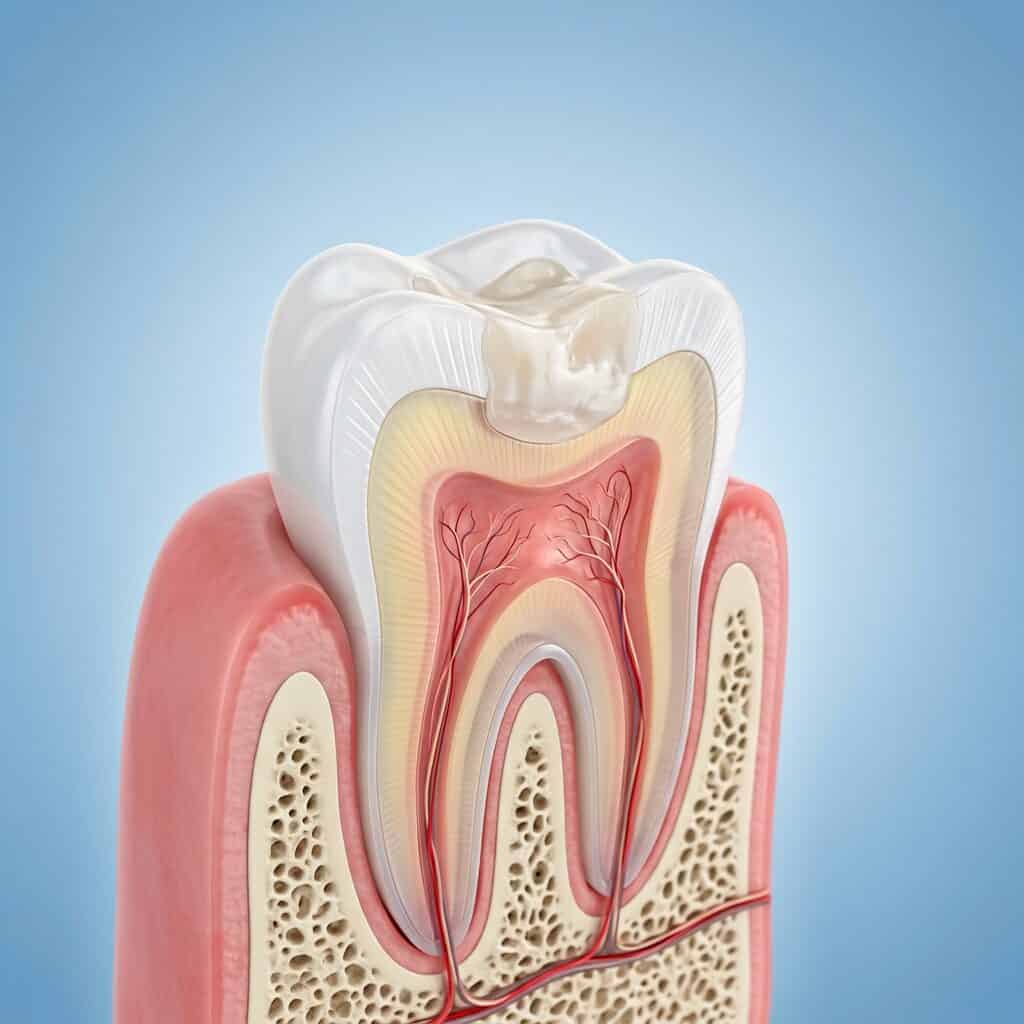
Tooth-colored fillings, also called composite fillings, are made from a resin mixed with fine glass particles. The material is shaded to match your tooth, bonded directly to it, and hardened in seconds with a blue curing light. Once it is shaped and polished, it is very hard to tell where the tooth ends and the filling begins.
Compared with old silver (amalgam) fillings, composites:
- Blend in with your natural tooth color, even on front teeth
- Bond to the tooth, which helps support what is left of it
- Usually need less healthy tooth removed to place them
- Contain no metal, so there is no gray shadow showing through the enamel
How the Solea laser changes the experience
Traditional fillings start with a shot of anesthetic and a high-speed drill. The Solea laser works differently. It uses a precise beam of light, pulsed thousands of times per second, to remove the decayed part of the tooth. That same light has a calming effect on the nerve, so in most cases no anesthetic injection is needed. Most patients feel nothing at all, and some notice a slight cool sensation or a little pressure.
What that means for you:
- Often no needle. In most cases there is no shot to dread.
- No drill noise or vibration. No whine and no rattling.
- No numb lip afterward. You can eat, talk, and get back to work or school right away.
- Several teeth in one visit. Without numbing limits, we can often treat cavities on both sides of the mouth at once.
- Great for kids and nervous patients. A calmer first experience makes every future visit easier.
Solea is not right for every situation. Very deep decay, replacing old metal fillings, or a tooth that is cracked may still call for a traditional approach, and we will always tell you which option fits your tooth. If dental visits make you anxious in general, our sedation options are there too. You can read more in our article on the benefits of the Solea laser.
Signs you might need a filling
Small cavities often cause no pain at all, which is why regular cleanings and checkups matter. We use digital X-rays and an intra-oral camera to catch decay early, while it is still small and easy to fix. Between visits, watch for:
- Sensitivity to cold, heat, or sweets
- A sharp twinge when you bite down (see our guide to tooth pain when biting)
- A dark spot, chip, or rough edge you can feel with your tongue
- Food that keeps catching in the same place
- An old filling that looks worn, cracked, or stained
Catching a cavity early keeps it a filling. Waiting can turn it into a root canal or a crown.
What to expect at your filling appointment
- A quick look and a plan. Dr. Malek shows you the cavity on screen and explains whether the laser or a traditional approach is the better fit.
- Removing the decay. With Solea, this is usually done without a shot. You can raise a hand at any time if you want a break.
- Placing the filling. Tooth-colored material is added in thin layers, each hardened with a curing light.
- Shaping and polishing. We check your bite so the filling feels like part of your tooth.
A typical small filling takes well under an hour. Mild sensitivity for a few days is normal. If it lasts longer, our post on tooth pain after a filling explains what is going on and when to call.
When a filling is not enough
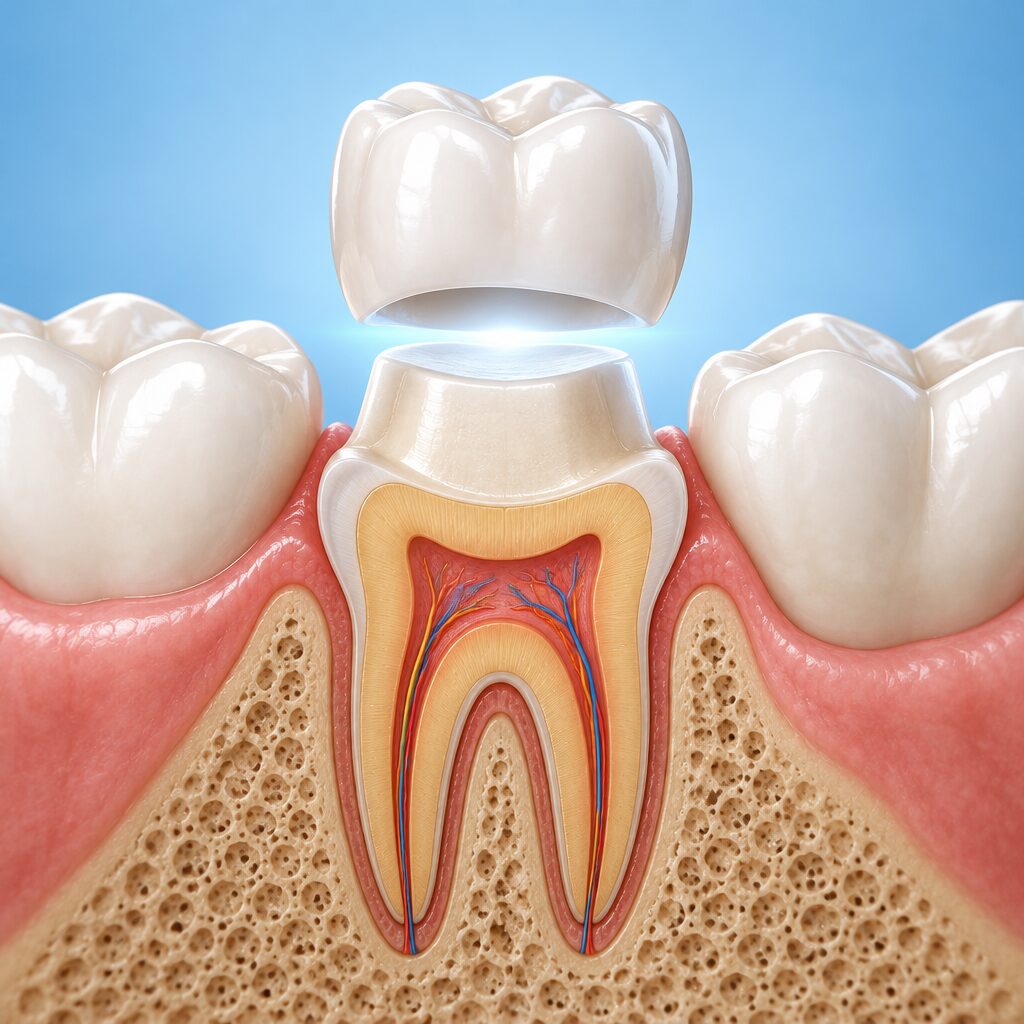
If decay or a crack has taken out a large part of the tooth, a filling may not be strong enough to last. In those cases we may recommend an onlay or a same-day crown, which cover and protect more of the tooth. Our goal is always the most conservative fix that will hold up for years.
Why Norwalk patients choose The Harmony Dental Group
Dr. Richard Malek and our team have earned a 4.9-star rating from hundreds of neighbors across Norwalk, Westport, Darien, Wilton, and the rest of Fairfield County. We invest in technology like the Solea laser for one reason: so that fixing a cavity is quick, calm, and nothing to put off.
Think you might have a cavity, or have an old filling that needs replacing? Call 203-354-3193 to see your dentist in Norwalk, CT.
Related reading
- Dental Procedures That Can Be Treated With Laser Dentistry
- Sudden Tooth Sensitivity: Causes You Shouldn't Ignore
- Family and Children's Dentist in Norwalk, CT
Frequently asked questions about tooth-colored fillings in Norwalk, CT
Can a cavity really be filled without a needle?
In many cases, yes. The Solea laser calms the nerve as it works, so most patients do not need an anesthetic injection. Some deeper or more complex cavities may still need numbing, and we will tell you before we start.
How long do tooth-colored fillings last?
With good brushing, flossing, and regular checkups, composite fillings commonly last many years. Grinding your teeth or chewing ice can shorten their life, so we may suggest a night guard if you clench.
Should I replace my old silver fillings?
Not automatically. If a metal filling is intact and the tooth is healthy, it can often stay. We recommend replacing it when it is cracked, leaking, or there is new decay around it, or if you would like a more natural look.
Is the Solea laser safe for children?
Yes. Solea is used for patients of all ages, and it is especially helpful for kids because it avoids the needle and the drill noise that can make a first filling scary.
Cavity? Skip the needle when you can.
Book a visit with Dr. Richard Malek at The Harmony Dental Group in Norwalk, CT. Natural-looking, tooth-colored fillings, often with no shot and no drill.