A sip of iced coffee, a spoonful of ice cream, or a breath of cold November air, and suddenly a tooth zings. Tooth sensitivity is one of the most common reasons people call a dentist, and the good news is that it is almost always treatable. At The Harmony Dental Group in Norwalk, CT, Dr. Richard Malek finds out what is behind the twinge and fixes the cause, not just the symptom.
Why teeth become sensitive
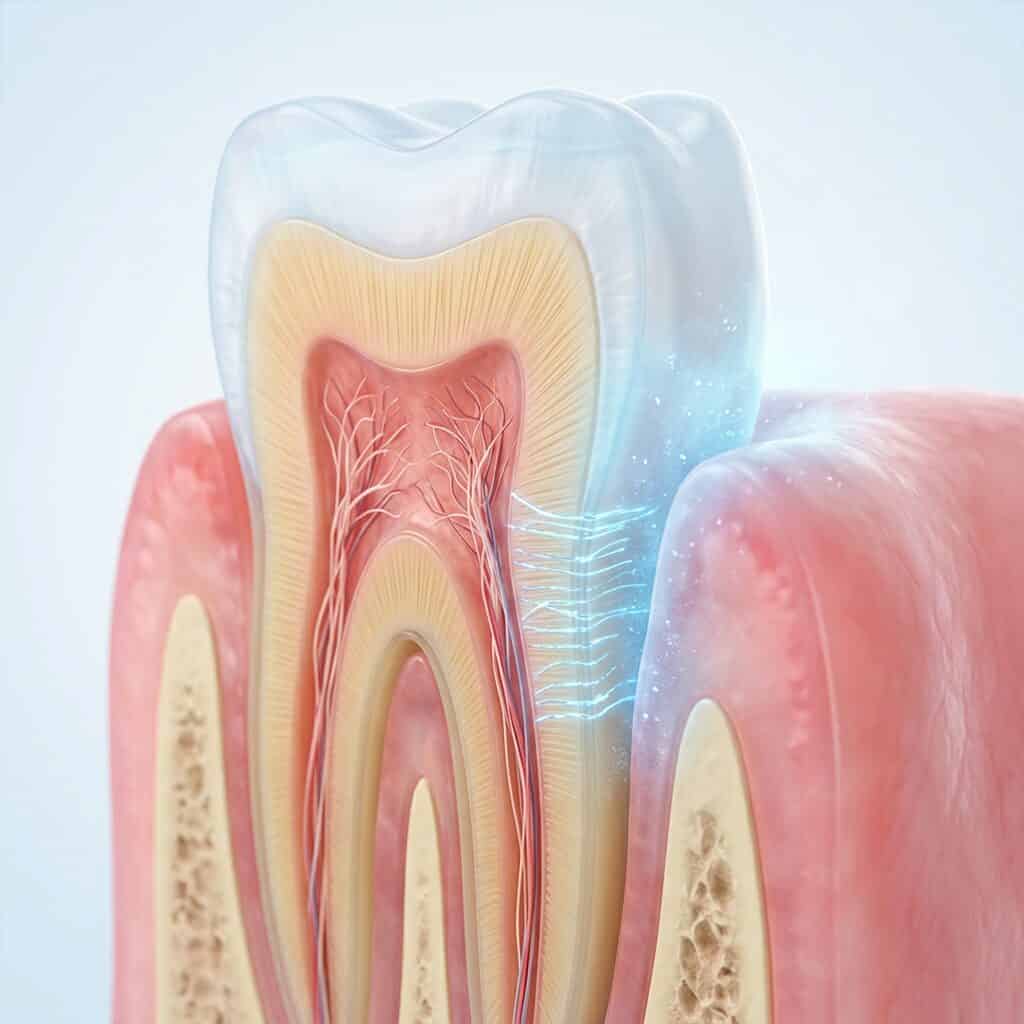
Under the hard enamel of every tooth is a softer layer called dentin, full of tiny channels that lead to the nerve. When enamel wears thin or gums pull back and expose the root, cold, heat, sweets, and even air can reach those channels and trigger a sharp, quick pain. The most common causes are:
- Gum recession that exposes the root surface (see our guide to receding gums)
- Enamel wear from acidic drinks, hard brushing, or a hard-bristled brush
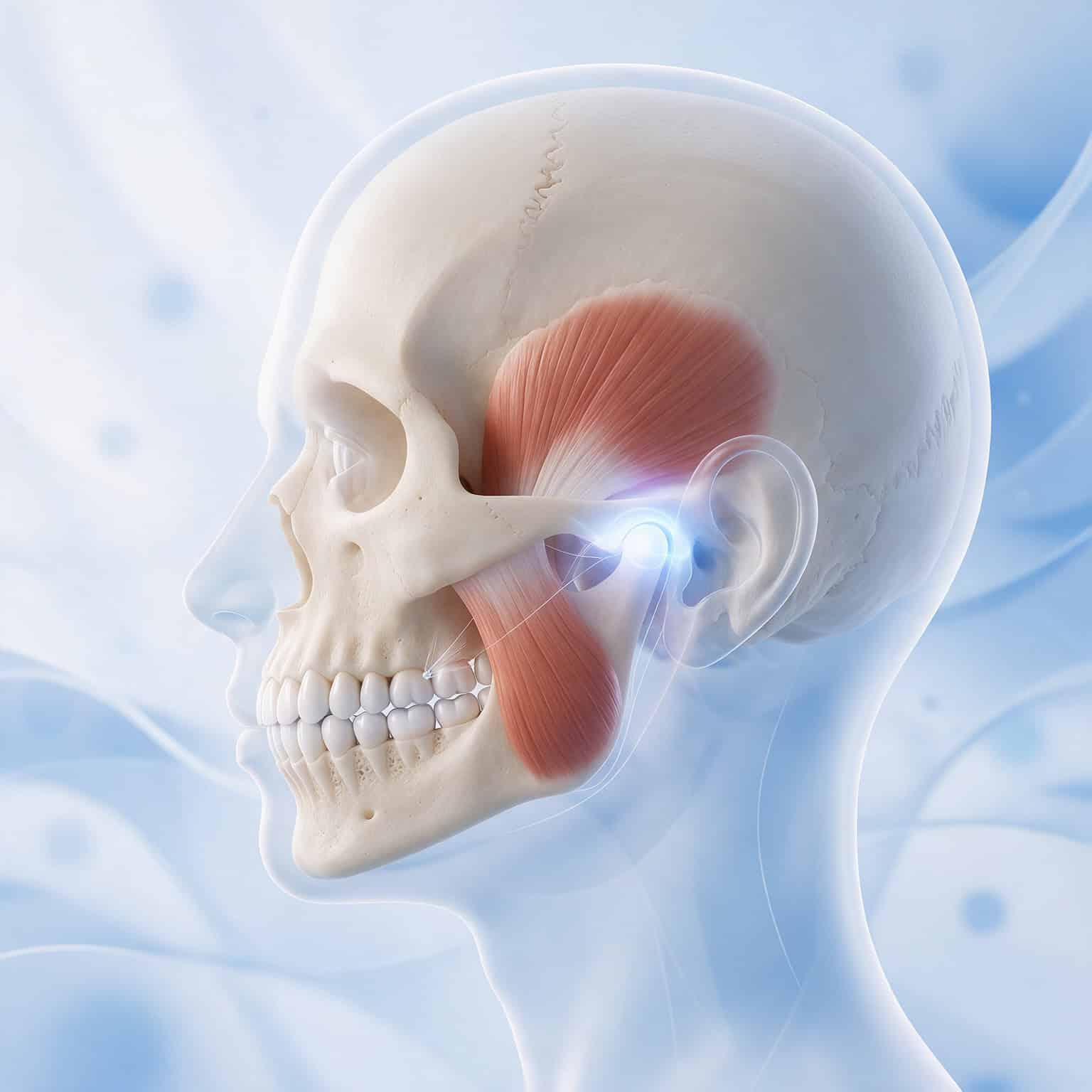
- Grinding and clenching, which wears enamel and can crack teeth
- A cavity, cracked tooth, or worn filling
- Gum disease, which can lead to recession and inflamed tissue
- Recent dental work or whitening, which usually causes short-term sensitivity that fades
If your sensitivity came on suddenly, our article on sudden tooth sensitivity causes goes deeper into each one.
When sensitivity is a warning sign
Brief sensitivity to cold that fades in a second or two is usually a sign of exposed dentin. Call us sooner if you notice:
- Pain that lingers for more than 30 seconds after the cold or heat is gone
- Sensitivity in just one tooth that keeps getting worse
- Pain when you bite down (see tooth pain when biting)
- Throbbing pain that wakes you up, or swelling in the gum
These can point to deep decay, a crack, or an inflamed nerve, which are easier to treat when caught early. If you are in severe pain, our emergency dental care guide explains what to do.
How we treat tooth sensitivity in Norwalk
The right treatment depends on the cause, so every visit starts with an exam and, when needed, digital X-rays to check for decay or cracks. Depending on what we find, treatment may include:
- In-office fluoride or desensitizing treatment to strengthen enamel and seal exposed dentin.
- Solea laser treatment. Our Solea laser can be used to reduce tooth sensitivity, usually without needles or numbness.
- Bonding over exposed roots. A thin layer of tooth-colored material can cover a sensitive root surface. Learn more about dental bonding.
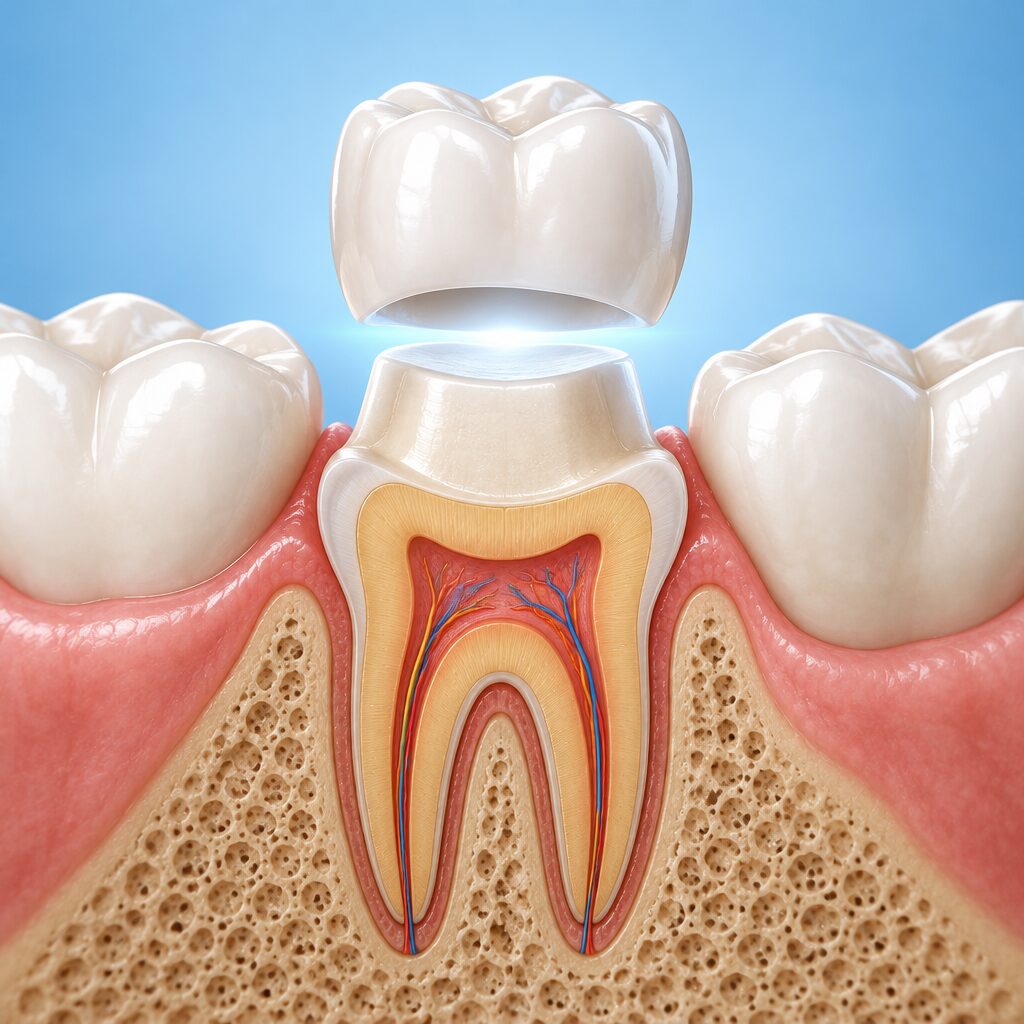
- Repairing the tooth. A cavity or worn filling is replaced with a tooth-colored filling, and a cracked tooth may need a crown.
- Treating gum disease. Healthier gums mean less recession. See our gum disease treatment page.
- A custom night guard if grinding is wearing your teeth down. See TMJ and teeth grinding treatment.
- Root canal treatment, only when the nerve itself is inflamed or infected. A root canal removes the pain for good and saves the tooth.
What you can do at home
- Use a soft-bristled brush and gentle, circular strokes.
- Switch to a toothpaste made for sensitive teeth and use it every day for at least two weeks.
- Limit acidic drinks like soda, sports drinks, and citrus, and rinse with water after.
- Wait about 30 minutes after acidic food or drinks before brushing.
- Keep up with regular cleanings and checkups so small problems stay small.
If sensitivity has not improved after a few weeks of home care, it is time for an exam.
Why Norwalk patients choose The Harmony Dental Group
Dr. Richard Malek and our team have earned a 4.9-star rating from hundreds of neighbors across Norwalk, Westport, Darien, Wilton, and the rest of Fairfield County. We take the time to find the real cause of your sensitivity and explain every option before treatment starts.
Tired of wincing at cold drinks? Call 203-354-3193 to see your dentist in Norwalk, CT.
Related reading
- Sudden Tooth Sensitivity: Causes You Shouldn't Ignore
- Receding Gums: Early Signs, Causes, and What To Do
- Tooth Pain When Biting: What It Could Mean
Frequently asked questions about tooth sensitivity in Norwalk, CT
Why are my teeth suddenly sensitive?
The most common reasons are gum recession, enamel wear, grinding, a new cavity or crack, or recent whitening or dental work. If it lasts more than a couple of weeks or keeps getting worse, have it checked.
Does sensitive toothpaste really work?
For mild sensitivity, yes. It usually takes two weeks or more of daily use to feel the difference. If it does not help, the cause may be something toothpaste cannot fix, like a cavity or crack.
Can tooth sensitivity go away on its own?
Sensitivity after whitening or a new filling often fades within days or a few weeks. Sensitivity from recession, wear, or decay usually needs treatment to improve.
Is tooth sensitivity a dental emergency?
Usually not. But throbbing pain, swelling, pain that wakes you up, or pain that lingers long after the cold is gone should be seen quickly. Call us at 203-354-3193.
Stop wincing at cold drinks
Book a visit with Dr. Richard Malek at The Harmony Dental Group in Norwalk, CT. We find the cause of your sensitivity and treat it gently, often with no needles.