What Are Porcelain Veneers and When Are They Better Than Crowns? Understanding Benefits, Costs, and Longevity
Porcelain veneers are a popular cosmetic dental solution designed to enhance the appearance of teeth. They are thin shells made from high-quality ceramic that are custom-made to fit over the front surface of teeth, providing a natural and aesthetically pleasing look. This article will explore the definition, benefits, and longevity of porcelain veneers compared to dental crowns, helping you understand when veneers might be the better choice for your dental needs. Many individuals seek solutions for discolored, chipped, or misaligned teeth, and porcelain veneers offer a minimally invasive option that can significantly improve one's smile. We will delve into the differences between veneers and crowns, the benefits of choosing veneers, and the cost considerations involved, with insights from Dr. Richard Malek and The Harmony Dental Group.
What Are Porcelain Veneers and How Do They Improve Tooth Appearance?
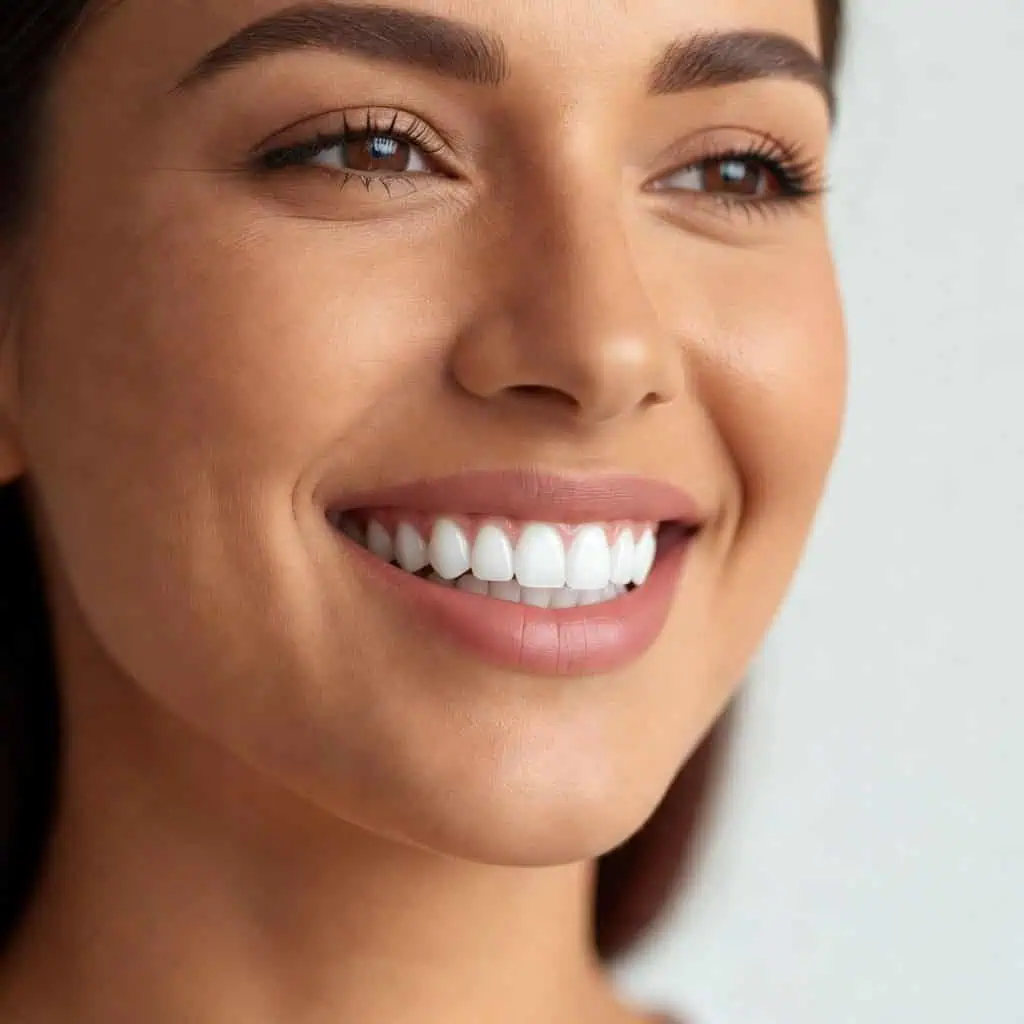
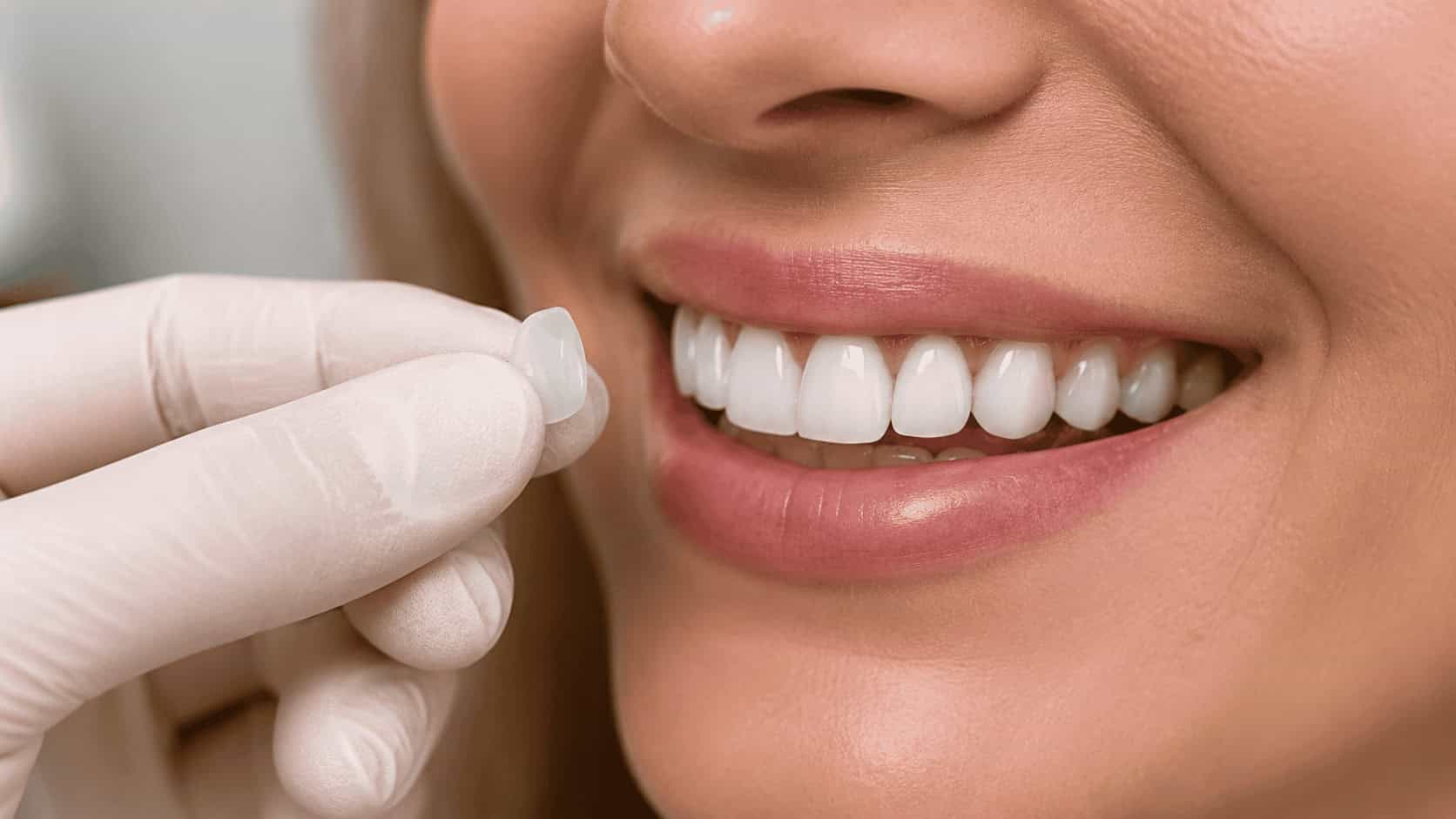
Porcelain veneers are custom-made shells that cover the front surface of teeth to improve their appearance. They are designed to mimic the natural look of tooth enamel, providing a bright and uniform smile. The primary purpose of veneers is to enhance the aesthetics of teeth that may be discolored, chipped, or misaligned. By adhering to the tooth's surface, veneers can effectively mask imperfections and create a more attractive smile. Dr. Richard Malek of The Harmony Dental Group often recommends veneers for patients seeking cosmetic enhancement with minimal tooth alteration.
Definition and Purpose of Porcelain Veneers
Porcelain veneers are thin, custom-made shells crafted from high-quality ceramic material. They are designed to cover the front surface of teeth, providing a natural appearance while improving color, shape, and size. The purpose of veneers is to enhance the aesthetic appeal of teeth, making them an ideal solution for individuals looking to address cosmetic concerns such as discoloration, gaps, or minor misalignments. According to Dr. Richard Malek at The Harmony Dental Group, veneers offer a balance of durability and aesthetics that many patients find appealing.
How Porcelain Veneers Preserve Tooth Enamel
One of the significant advantages of porcelain veneers is their ability to preserve tooth enamel. Unlike dental crowns, which require more extensive tooth preparation, veneers typically involve minimal alteration of the natural tooth structure. This preservation technique helps maintain the integrity of the tooth while providing a beautiful cosmetic enhancement. By using a bonding agent, veneers are securely attached to the tooth, ensuring durability and longevity. The Harmony Dental Group emphasizes this enamel preservation as a key benefit when discussing treatment options with patients.
Indeed, studies emphasize that a core benefit of porcelain veneers is their ability to maintain the natural tooth structure.
Porcelain Veneers: Enamel Preservation & Restoration
This article describes the restoration of four upper anterior teeth with porcelain veneers. The key element of porcelain veneers is the preservation of existing enamel.
Porcelain veneers: Techniques and precautions, 2007
When Should You Choose Porcelain Veneers Over Dental Crowns?
Choosing between porcelain veneers and dental crowns depends on various factors, including the extent of dental damage and the desired aesthetic outcome. While both options serve to improve the appearance of teeth, they differ in their application and suitability for specific dental issues. Dr. Richard Malek and The Harmony Dental Group provide personalized consultations to help patients determine the best option based on their unique dental health and cosmetic goals.
Key Differences Between Veneers and Crowns
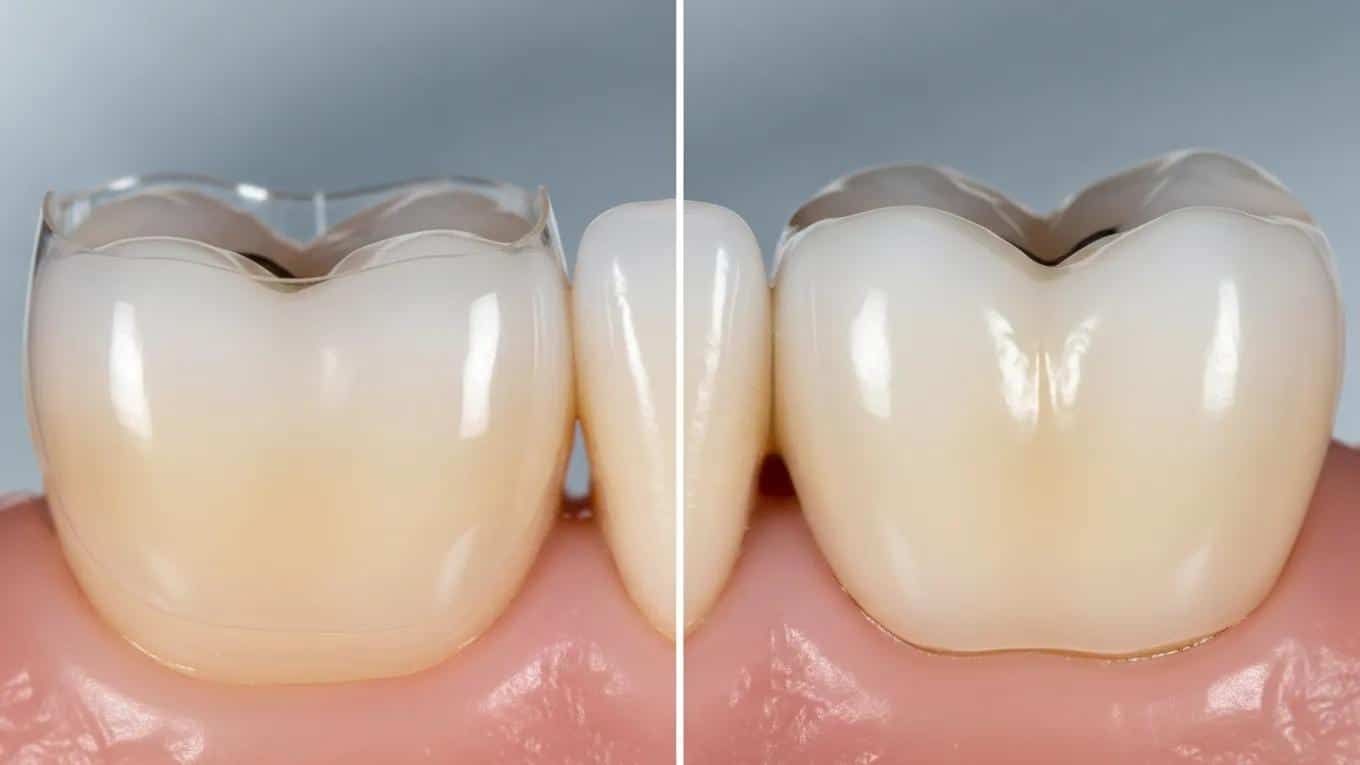
The primary difference between veneers and crowns lies in their coverage and purpose. Veneers are designed to cover only the front surface of the tooth, making them ideal for cosmetic improvements. In contrast, crowns encase the entire tooth, providing strength and protection for severely damaged or decayed teeth. This distinction is crucial when determining the appropriate treatment for individual dental needs. Dr. Richard Malek notes that veneers are preferable when the tooth structure is largely intact and the goal is aesthetic enhancement.
Patient Suitability Criteria for Veneers
Not all patients are suitable candidates for porcelain veneers. Ideal candidates typically have healthy teeth with minimal decay or damage. Those seeking to address cosmetic issues such as discoloration, gaps, or minor misalignments may benefit most from veneers. A thorough consultation with a dental professional, such as Dr. Richard Malek at The Harmony Dental Group, is essential to determine the best course of action based on individual dental health and aesthetic goals.
What Are the Benefits and Longevity of Porcelain Veneers Compared to Crowns?
Porcelain veneers offer several benefits that make them an attractive option for cosmetic dentistry. Understanding these advantages, along with their expected lifespan, can help patients make informed decisions about their dental care. Dr. Richard Malek and The Harmony Dental Group highlight these benefits during patient consultations.
Porcelain Veneers Benefits for Cosmetic Dentistry
Porcelain veneers provide numerous cosmetic benefits, including:
- Natural Appearance: The ceramic material closely resembles natural tooth enamel, ensuring a seamless blend with existing teeth.
- Stain Resistance: Porcelain is highly resistant to staining, allowing for a bright and vibrant smile over time.
- Minimally Invasive: The procedure typically requires less tooth reduction compared to crowns, preserving more of the natural tooth structure.
These benefits make porcelain veneers a popular choice for individuals seeking to enhance their smiles without extensive dental work. The Harmony Dental Group, led by Dr. Richard Malek, often recommends veneers for patients prioritizing cosmetic improvement with minimal invasiveness.
Further research delves into the comparative cosmetic improvements and cost considerations of different veneer types.
Cosmetic Improvement with Porcelain Veneers
This clinical study was designed to compare the patient's opinion of the cosmetic improvement after the placement of direct composite and indirect porcelain veneers. There were no statistical differences between the cosmetic improvement achieved for porcelain and composite (p ≥0.05). Cost factors were not significant. Significant factors were: tooth conservation (p ≤0.021), time (p ≤0.012), repair costs (p ≤0.009) and replacement costs (p ≤0.024) and favoured the direct composite veneers over the porcelain veneers.
The effect of veneers on cosmetic improvement, 2009
Expected Lifespan and Durability of Veneers vs Crowns
Porcelain veneers can last between 10 to 15 years with proper care, while dental crowns may have a lifespan of 5 to 15 years, depending on the material used and the patient's oral hygiene practices. Factors such as diet, oral care, and individual habits can influence the longevity of both options. Regular dental check-ups are essential to ensure the durability of veneers and crowns alike. Dr. Richard Malek and The Harmony Dental Group emphasize the importance of maintenance and follow-up care to maximize the lifespan of dental restorations.
How Do Costs Compare Between Porcelain Veneers and Dental Crowns?
When considering dental treatments, cost is often a significant factor. Understanding the financial implications of choosing porcelain veneers versus crowns can help patients make informed decisions. Dr. Richard Malek at The Harmony Dental Group provides transparent cost consultations to assist patients in evaluating their options.
Cost Factors Influencing Veneers and Crowns Pricing
Several factors influence the cost of porcelain veneers and dental crowns, including:
These costs can vary based on geographic location, the complexity of the procedure, and the dentist's expertise. Patients should consult with their dental provider, such as Dr. Richard Malek at The Harmony Dental Group, to obtain a detailed estimate based on their specific needs.
Is the Investment in Veneers Worth It Compared to Crowns?
Investing in porcelain veneers can be worthwhile for individuals seeking significant cosmetic improvements. While the initial cost may be higher than that of crowns, the long-term benefits, including enhanced aesthetics and durability, often justify the expense. Patients should weigh the potential return on investment against their aesthetic goals and dental health needs. Dr. Richard Malek and The Harmony Dental Group are committed to helping patients make informed decisions that align with their personal and financial considerations.
For those considering porcelain veneers, The Harmony Dental Group offers comprehensive consultations with Dr. Richard Malek to discuss options and help patients achieve their desired smile. With a focus on cosmetic and restorative dental solutions, the practice is dedicated to providing high-quality care tailored to individual needs.
Frequently Asked Questions
1. How are porcelain veneers applied to the teeth?
The application of porcelain veneers involves several steps. First, a dental professional will conduct a thorough examination and consultation to determine if veneers are suitable for the patient. Next, a small amount of enamel is typically removed from the front surface of the teeth to ensure a proper fit. Impressions are then taken to create custom veneers, which are bonded to the teeth using a strong adhesive. The process usually requires two visits: one for preparation and another for placement.
2. Can porcelain veneers be repaired if they chip or crack?
Yes, porcelain veneers can be repaired if they chip or crack, although the process may vary depending on the extent of the damage. Minor chips can sometimes be fixed with composite resin, while more significant damage may require replacing the entire veneer. It's essential to consult with a dental professional, like Dr. Richard Malek, to assess the damage and determine the best course of action. Regular dental check-ups can help identify issues early and maintain the integrity of veneers.
3. Are there any dietary restrictions after getting porcelain veneers?
After getting porcelain veneers, patients are generally advised to avoid hard or sticky foods for a short period, as these can put stress on the newly placed veneers. Foods like hard candies, ice, and sticky sweets should be consumed with caution. Additionally, maintaining good oral hygiene and regular dental visits will help ensure the longevity of the veneers. Following your dentist's specific recommendations will help protect your investment in your smile.
4. How do I care for my porcelain veneers to ensure their longevity?
Caring for porcelain veneers is similar to caring for natural teeth. Regular brushing and flossing are essential to maintain oral hygiene and prevent plaque buildup. It's also advisable to use a non-abrasive toothpaste to avoid scratching the surface of the veneers. Regular dental check-ups will help monitor the condition of the veneers and address any potential issues early. Avoiding habits like teeth grinding or using teeth as tools can also prolong the life of your veneers.
5. Can anyone get porcelain veneers, or are there specific criteria?
Not everyone is a suitable candidate for porcelain veneers. Ideal candidates typically have healthy teeth with minimal decay or damage. Those seeking to address cosmetic issues such as discoloration, gaps, or minor misalignments may benefit most from veneers. A thorough consultation with a dental professional is essential to evaluate individual dental health and aesthetic goals, ensuring that veneers are the right choice for the patient.
6. How do porcelain veneers affect tooth sensitivity?
Some patients may experience temporary tooth sensitivity after getting porcelain veneers, especially if a significant amount of enamel was removed during the preparation process. This sensitivity usually subsides within a few days to weeks. If sensitivity persists, it is important to consult with a dental professional. They can provide recommendations or treatments to alleviate discomfort and ensure that the veneers are functioning as intended.
7. What should I expect during the consultation for porcelain veneers?
During the consultation for porcelain veneers, the dentist will assess your dental health, discuss your aesthetic goals, and determine if veneers are the right option for you. This may include taking X-rays, examining your teeth, and discussing your medical history. The dentist will explain the procedure, costs, and expected outcomes, allowing you to make an informed decision. This initial meeting is crucial for establishing a personalized treatment plan tailored to your needs.
Conclusion
Porcelain veneers offer a minimally invasive solution for enhancing your smile, preserving tooth enamel while providing a natural appearance. With benefits such as stain resistance and durability, they are an excellent choice for those seeking cosmetic improvements. Consulting with a dental professional like Dr. Richard Malek can help you determine if veneers are the right fit for your needs. Discover how The Harmony Dental Group can assist you in achieving your ideal smile today.
______________________________________________________________
About The Harmony Dental Group
The Harmony Dental Group is a leading dental practice located in Norwalk, dedicated to providing exceptional cosmetic and restorative dental care. Led by Dr. Richard Malek, the team combines advanced dental technology with personalized treatment plans to ensure optimal patient outcomes. The practice emphasizes patient comfort, education, and long-term oral health, making it a trusted choice for individuals seeking high-quality dental services. Whether you are interested in porcelain veneers, crowns, or other dental treatments, The Harmony Dental Group offers expert guidance and compassionate care to help you achieve a beautiful, healthy smile.
Related reading from The Harmony Dental Group
- The Porcelain Veneer Process: From Consultation to Placement
- What Is a Smile Makeover? (And How to Know If One's Right for You)
- Same-Day Dental Crowns in Norwalk, CT: Restore Your Tooth in One Visit
Ready to book your visit?
Call 203-354-3193 or request an appointment online. The Harmony Dental Group · Dr. Richard Malek · Norwalk, CT.