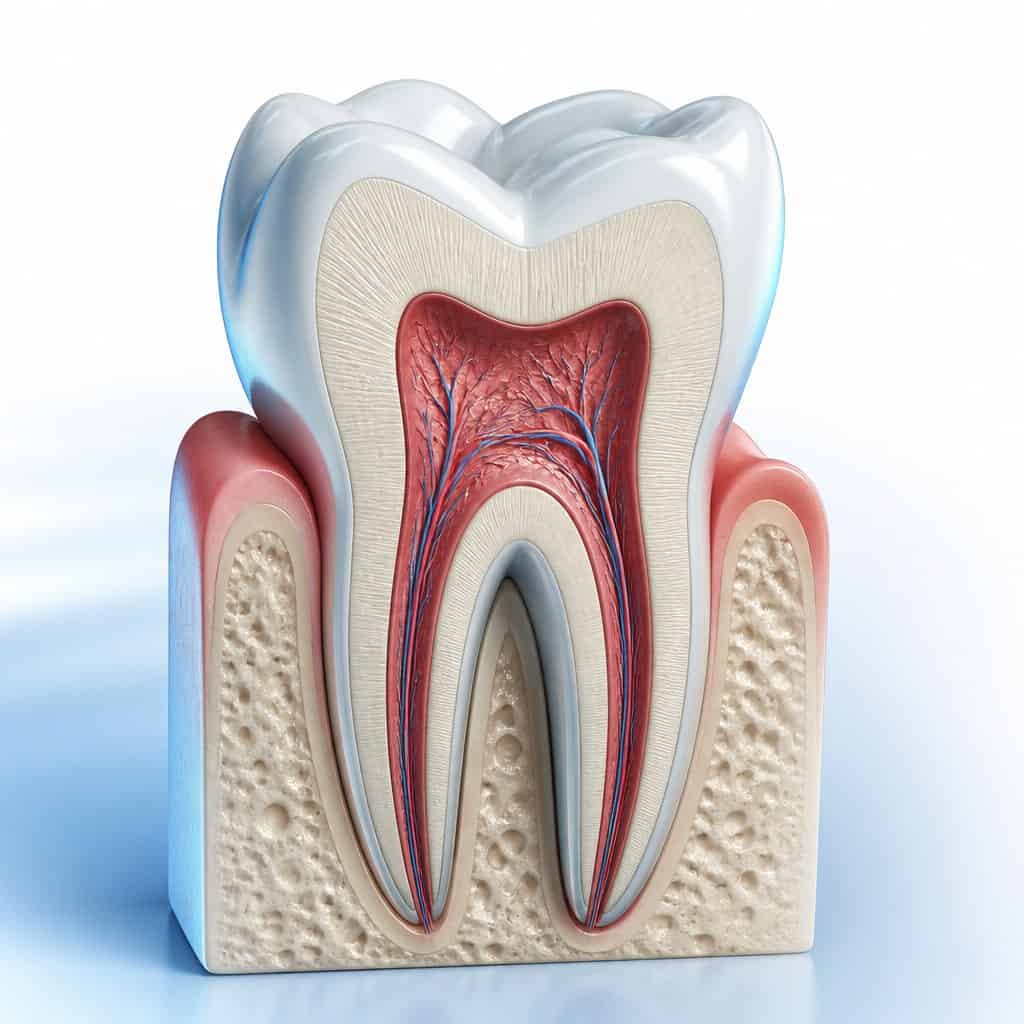
Are Dental Implants Painful? What the Recovery Is Actually Like
Dental implants are a common solution for replacing missing teeth, yet many prospective patients often wonder about the pain associated with the procedure and what the recovery entails. Understanding the nuances of dental implant surgery at The Harmony Dental Group, led by experienced professionals such as Dr. Richard Malek, can effectively alleviate anxiety and prepare individuals for the journey ahead. This comprehensive guide aims to answer the critical question: Are dental implants painful? We will explore the pain levels one might expect during the procedure and throughout recovery, effective pain management strategies, and the overall timeline of healing. By providing detailed insights and professional expertise from Dr. Richard Malek and The Harmony Dental Group, we hope to empower you with the knowledge that eases your concerns regarding dental implants.
In the sections that follow, we will delve into the specifics of the pain experienced during the procedure, the recovery timeline, and how to manage post-operative discomfort effectively. Additionally, we will discuss common side effects and the overall patient experience at The Harmony Dental Group. Ultimately, this exploration aims to provide you with clarity and confidence regarding dental implants and the recovery process involved.
How Painful Is the Dental Implant Procedure?
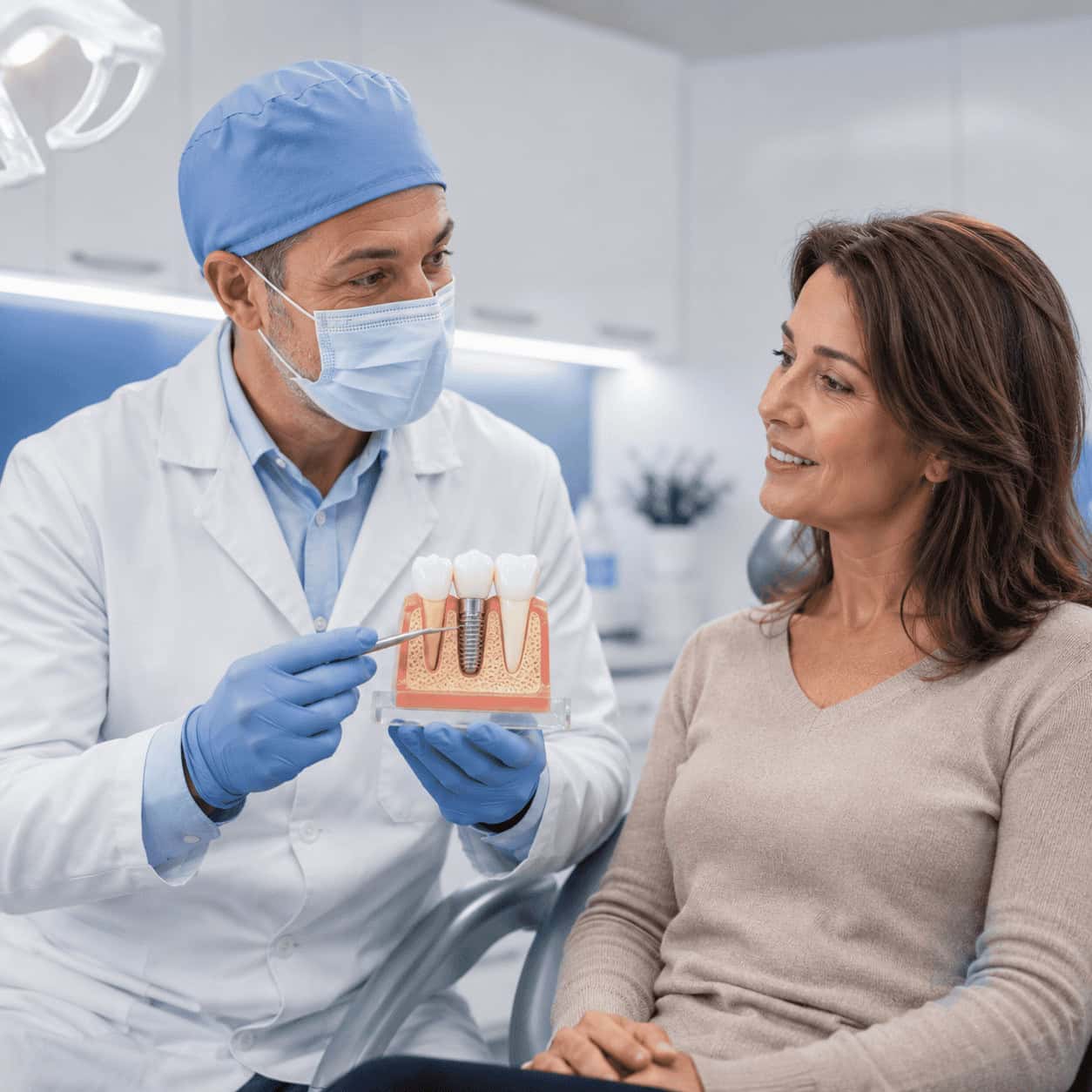
The dental implant procedure can cause varying levels of discomfort, which largely depend on individual pain tolerance and the surgical approach used. At The Harmony Dental Group, under the expert care of Dr. Richard Malek, patients typically experience some level of pain during surgery; however, advancements in techniques and anesthesia significantly mitigate this discomfort. Patients describe the procedure as similar to having a tooth extracted, with the use of local anesthesia minimizing pain.
What Causes Pain During and After Dental Implant Surgery?
Pain during and after dental implant surgery arises from several physiological reactions. Surgical factors, such as the trauma caused to the gums and jawbone during the procedure performed by specialists like Dr. Richard Malek, can lead to various levels of discomfort. Additionally, psychological factors, including anxiety and anticipation of pain, can heighten the perception of discomfort. Understanding these causes can help reassure patients about their experiences and expectations.
How Do Minimally Invasive Techniques Reduce Implant Pain?
Minimally invasive techniques utilized by experts at The Harmony Dental Group utilize advanced technologies to reduce discomfort during dental implant surgery. Approaches such as computer-guided implants and smaller incisions limit tissue damage, leading to less post-surgical pain and quicker recovery. Research shows that patients undergoing these procedures often report a significantly lower pain level compared to traditional surgery techniques, promoting a more comfortable overall experience.
What Is the Typical Recovery Timeline After Dental Implant Surgery?

Recovery from dental implant surgery at The Harmony Dental Group is a critical phase that varies patient to patient, but generally follows a recognizable timeline. The process includes several stages of healing, wherein the body gradually adapts and responds to the new implant structurally integrated into the jawbone by Dr. Richard Malek.
What Are the Stages of Healing After Dental Implant Placement?
After implant placement, the healing process can typically be divided into three stages: initial healing, osseointegration, and soft tissue healing. Initial healing occurs within the first week following surgery, during which patients may experience swelling, bleeding, or discomfort. Osseointegration, which is the biological process where the implant fuses with the jawbone, usually takes 3-6 months, depending on individual factors like bone density. Finally, soft tissue healing completes within 2-3 weeks, during which symptoms like tenderness or slight swelling should subside. These stages are carefully monitored by Dr. Richard Malek and the team at The Harmony Dental Group to ensure optimal recovery.
How Long Does Dental Implant Pain Usually Last?
Pain following dental implant surgery generally diminishes significantly within the first three days. Most patients notice a sharp decrease in discomfort after one week, although some minor residual soreness can linger for a couple of weeks. If pain persists longer than expected, it is advisable to consult with Dr. Richard Malek at The Harmony Dental Group to rule out complications.
How Can You Manage Pain After Getting Dental Implants?
Effective pain management following dental implant surgery is essential to ensure comfort and aid the recovery process. There are various strategies that patients can adopt to alleviate discomfort and promote healing as recommended by Dr. Richard Malek and the professionals at The Harmony Dental Group.
What Are Effective Home Remedies and Medications for Implant Pain?
Home remedies, coupled with prescribed medications from The Harmony Dental Group, can significantly influence the management of pain post-surgery. Some effective remedies include:
- Cold Compress: Applying a cold compress can help reduce swelling and numb the area, providing relief.
- Over-the-Counter Pain Relievers: Medications such as ibuprofen or acetaminophen can alleviate pain and reduce inflammation.
- Saltwater Rinses: Gently rinsing the mouth with warm salt water can promote healing and keep the surgical site clean.
For persistent pain, consult Dr. Richard Malek for stronger medication or alternative pain management strategies.
When Should You Contact Your Dentist About Post-Implant Pain?
While some level of discomfort is expected after dental implant surgery, certain signs may indicate the need for immediate dental consultation. If you experience:
- Severe or Increasing Pain: Pain that worsens beyond the initial post-operative phase could indicate complications.
- Fever: A fever may signal an infection, which should be addressed promptly.
- Excessive Swelling or Bleeding: Any unusual swelling or continuous bleeding should prompt a visit to Dr. Richard Malek at The Harmony Dental Group.
Being aware of these signs helps patients differentiate between normal recovery and situations requiring professional intervention by The Harmony Dental Group.
What Are the Common Side Effects After Dental Implant Surgery?
Patients at The Harmony Dental Group may experience various side effects after dental implant surgery; most are mild and subside within a week or two. Understanding these can help set realistic expectations and ease patient concerns.
Which Symptoms Are Normal vs. When to Seek Help?
Common post-operative symptoms include mild swelling, bruising, or localized pain around the implant site. However, if symptoms escalate to severe pain, prolonged swelling—or the appearance of pus or abnormal discharge—it is crucial to contact Dr. Richard Malek to avoid potential complications.
How Do New Implant Materials and Anesthesia Reduce Side Effects?
Modern advancements in dental materials and anesthesia techniques used by The Harmony Dental Group have dramatically improved patient experience during and after surgery. For instance, the use of biocompatible materials ensures better integration with the jawbone while newer anesthetic methods offer faster and more effective numbing while minimizing side effects such as drowsiness or prolonged numbness.
How Does Patient Experience Affect Implant Pain and Recovery?

Patient experiences during and after dental implant surgery at The Harmony Dental Group play a vital role in the management of pain and the recovery process.
How Do Trusted Care and Clear Communication Improve Recovery?
Patients who receive clear communication and support from their dental team, including Dr. Richard Malek, often report higher satisfaction levels and lower anxiety, which can contribute to better outcomes. Establishing trust between the patient and The Harmony Dental Group fosters a collaborative environment where patients feel comfortable discussing their experiences and concerns, influencing their overall recovery positively.
What Do Patient Testimonials Say About Pain Management Success?
Many patients provide feedback that emphasizes the importance of effective pain management techniques and procedural transparency used by Dr. Richard Malek and The Harmony Dental Group. Testimonials often highlight how thorough explanations of what to expect during recovery and reliable pain relief can transform the surgical experience from daunting to reassuring.
What Should You Expect During Follow-Up Care and Recovery Checkups?
Follow-up appointments at The Harmony Dental Group are crucial for monitoring healing and addressing any arising concerns after dental implant surgery. These visits allow for both patient and physician, such as Dr. Richard Malek, to ensure that the recovery is progressing as expected.
How Are Recovery Progress and Pain Levels Monitored by Dentists?
During follow-up visits, Dr. Richard Malek and the team at The Harmony Dental Group typically assess healing and pain levels through routine examinations and, if necessary, imaging studies. This monitoring enables them to evaluate the integration of the implant and make adjustments to any post-operative care required.
What Are the Best Practices for Care Between Appointments?
Maintaining diligent care between appointments can significantly enhance recovery outcomes. Patients should follow these best practices recommended by The Harmony Dental Group:
- Oral Hygiene: Continue brushing and gently rinsing to keep the surgical site clean.
- Dietary Choices: Prefer soft foods that are easy to chew and avoid hard or sticky items that may disrupt the healing process.
- Avoid Smoking: Smoking can impede healing and increase the risk of complications; patients should refrain during recovery.
By adhering to these guidelines, individuals under the care of Dr. Richard Malek and The Harmony Dental Group can support their healing process while minimizing discomfort associated with dental implants.
Frequently Asked Questions
1. Are there alternatives to dental implants for tooth replacement?
Yes, there are several alternatives to dental implants for tooth replacement. Common options include dental bridges, which use adjacent teeth for support, and dentures, which are removable prosthetic devices. In certain cases, resin-bonded bridges, also known as Maryland bridges, may be used, particularly when the adjacent teeth are healthy. Each option has its pros and cons, so it's crucial to discuss with your dentist, like Dr. Richard Malek, to determine the best solution for your oral health and lifestyle.
2. How long do dental implants last?
Dental implants are designed to be a long-term solution for tooth replacement and can last many years. With proper oral hygiene and regular dental checkups, many implants can remain functional for over 10 to 15 years, and some even longer. Factors that influence the longevity of dental implants include the patient’s overall health, oral hygiene practices, and lifestyle choices such as smoking. Following care guidelines provided by The Harmony Dental Group can significantly enhance the lifespan of implants.
3. What should I eat after getting dental implants?
After dental implant surgery, it's essential to follow a soft food diet to minimize discomfort and promote healing. Recommended foods include yogurt, applesauce, mashed potatoes, smoothies, and soups. It's also advisable to avoid hard, crunchy, or sticky foods, as they can disrupt the healing process or damage the surgical site. Gradually, patients can reintroduce more solid foods as the healing progresses and they feel more comfortable. Always consult with Dr. Richard Malek for personalized dietary recommendations during recovery.
4. Can I brush my teeth after getting dental implants?
Yes, maintaining oral hygiene after dental implant surgery is crucial but should be done with care. Patients are usually advised to wait 24 hours before brushing the surgical site to allow for initial healing. After that, gentle brushing around the implant area is recommended to keep it clean, while avoiding direct pressure or force. Follow your dentist’s specific instructions for oral hygiene after surgery to prevent infection and ensure a successful recovery.
5. Is it common to experience anxiety before dental implant surgery?
Yes, it's common for patients to feel anxious before dental implant surgery. Many individuals worry about the pain or outcomes associated with the procedure. It can be helpful to communicate these feelings with your dental team, such as Dr. Richard Malek at The Harmony Dental Group. They can provide reassurance, answer any questions, and explore options for sedation or anxiety management strategies to help ease your concerns during the process.
6. How much do dental implants typically cost?
The cost of dental implants can vary significantly based on several factors, including the type of implant, the complexity of the procedure, and any additional procedures like bone grafting. On average, dental implants can range from $3,000 to $4,500 per implant. It's prudent to consult with your dentist for a detailed estimate based on your specific situation and to discuss financing options if necessary. Understanding all costs involved will help you prepare financially for the treatment.
7. What types of sedation are available for dental implants?
Several sedation options are available for patients undergoing dental implant procedures. Local anesthesia is commonly used, which numbs the area being treated. For those with anxiety, nitrous oxide (laughing gas) provides mild sedation, while oral sedatives or intravenous (IV) sedation can induce deeper relaxation. The choice of sedation depends on factors like the procedure's complexity and the patient's anxiety level. It's essential to discuss your preferences and concerns with Dr. Richard Malek to choose the best option for your comfort during surgery.
Conclusion
Understanding the process and pain management of dental implants at The Harmony Dental Group fosters confidence in prospective patients. By utilizing advanced techniques and providing compassionate care, Dr. Richard Malek enhances the overall experience during recovery. Taking the next step towards restoring your smile has never been easier with tailored support and effective pain relief. Reach out to us for your consultation and let us guide you through your dental journey.
Related reading from The Harmony Dental Group
- What Are Dental Implants? A Complete Guide to Restoring Your Smile.
- Full Mouth Dental Implants: Everything You Need to Know Before Treatment
- From Fear to Relief: The Benefits of Solea Laser in Pain-Free Dentistry
Ready to book your visit?
Call 203-354-3193 or request an appointment online. The Harmony Dental Group · Dr. Richard Malek · Norwalk, CT.