Single-Tooth Implants and Implant-Supported Bridges: Your Guide to Options, Costs, and Recovery

Single-tooth implants and implant-supported bridges are advanced dental solutions designed to restore missing teeth, enhancing both functionality and aesthetics. This guide will delve into the procedures, benefits, costs, and recovery associated with these dental options. Understanding these treatments is crucial for anyone facing tooth loss, as they offer effective solutions that can significantly improve oral health and quality of life. Throughout this article, we will explore the single-tooth implant procedure, the advantages of implant-supported bridges, and the financial considerations involved in these treatments. By the end, you will have a comprehensive understanding of your options and what to expect during the recovery process, with insights from Dr. Richard Malek and The Harmony Dental Group.
What Is the Single-Tooth Implant Procedure?
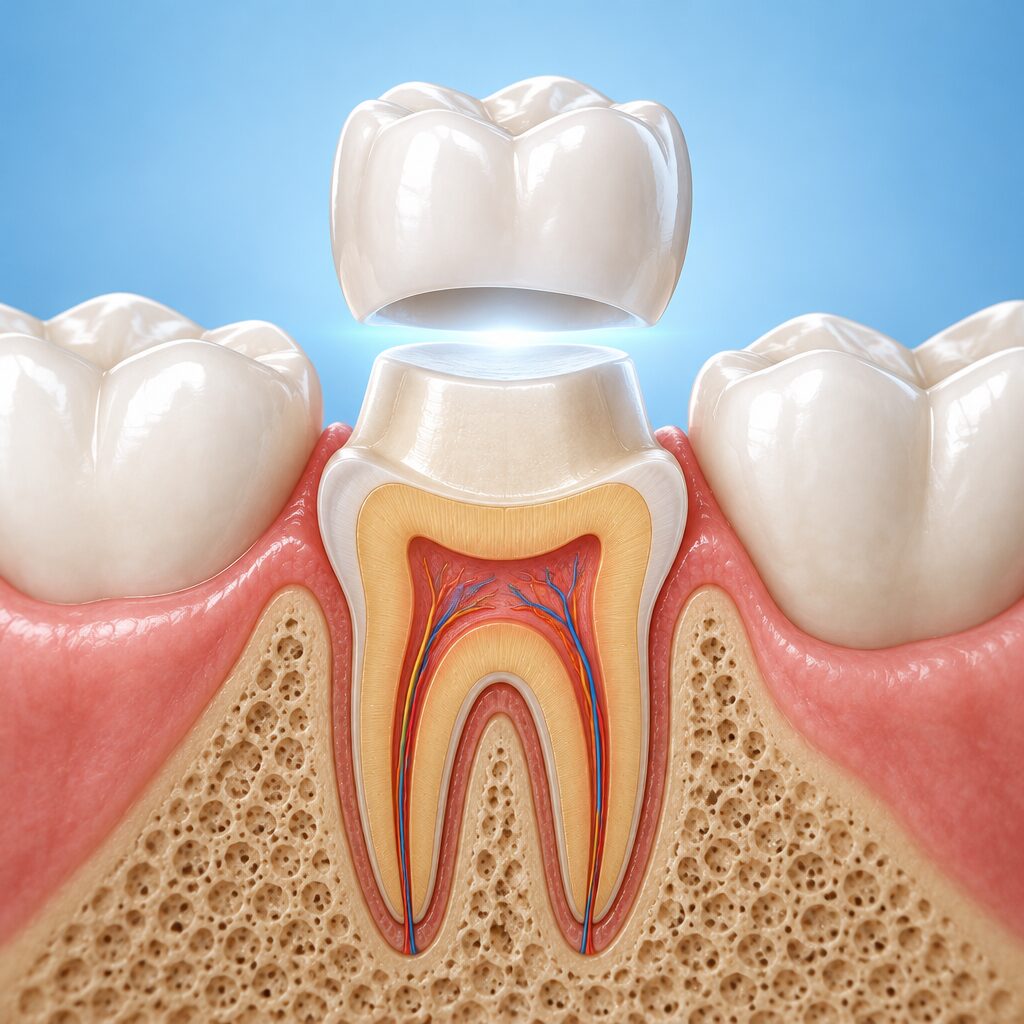
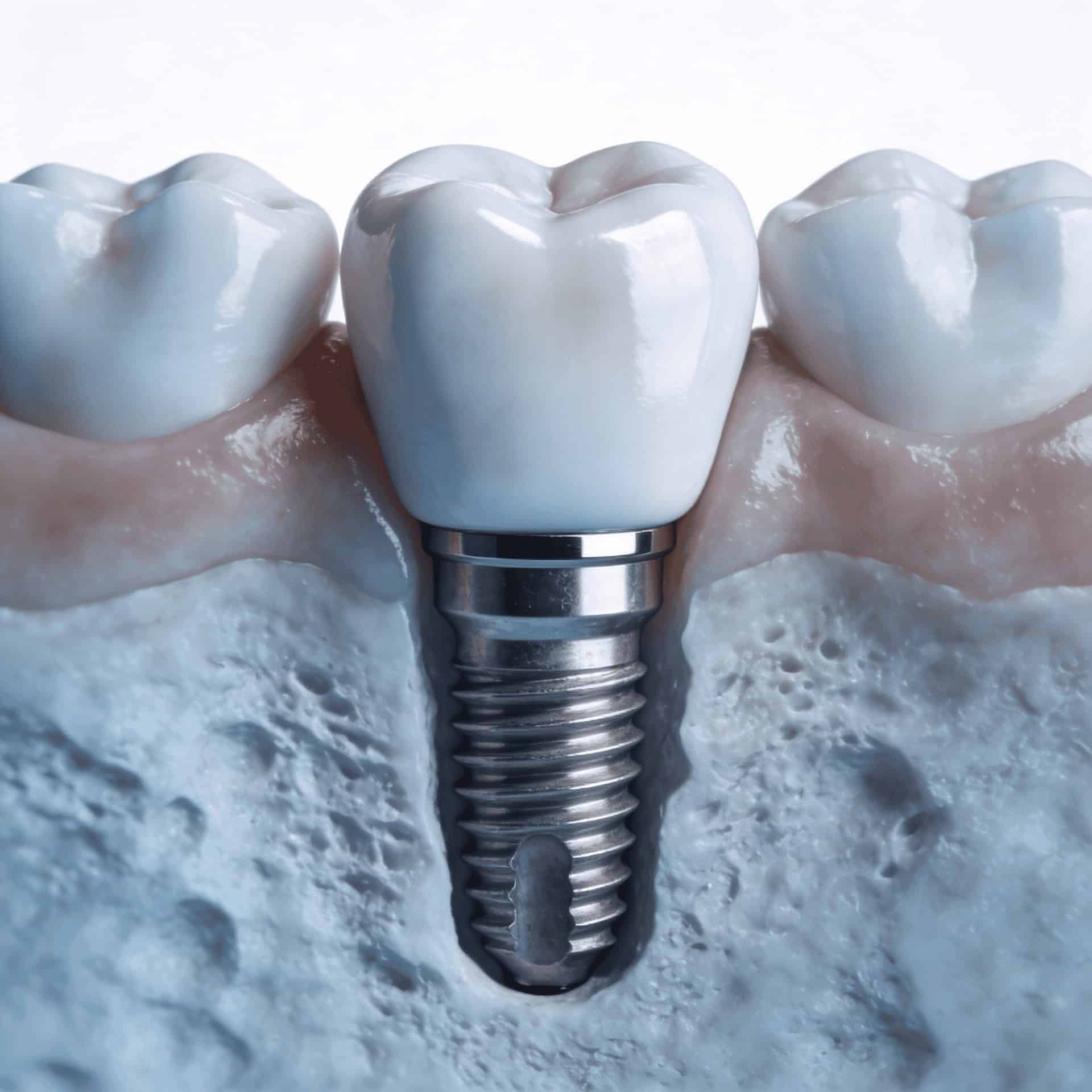
A single-tooth implant is a surgical procedure that involves placing a titanium post into the jawbone to serve as a root for a replacement tooth. This method is favored for its ability to mimic the natural tooth structure, providing a stable and durable solution for tooth loss. The procedure typically involves several steps, including the initial consultation, implant placement, and the attachment of a crown. The success of this procedure largely depends on the patient's overall health and the condition of their jawbone. Dr. Richard Malek at The Harmony Dental Group emphasizes personalized care throughout this process to ensure optimal outcomes.
How Are Single-Tooth Implants Placed?
The placement of single-tooth implants involves a series of well-defined steps. Initially, the dentist will conduct a thorough examination, including imaging studies, to assess the jawbone's condition. Following this, the procedure begins with the administration of anesthesia to ensure patient comfort. The dentist then makes a small incision in the gum to expose the bone, where the titanium implant is inserted. After placement, the gum is stitched closed, and the healing process begins, which typically takes several months. Dr. Richard Malek and The Harmony Dental Group ensure that patients are well-informed and comfortable throughout each stage.
Who Is Eligible for a Single-Tooth Implant?
Eligibility for single-tooth implants generally requires a healthy jawbone and good oral health. Factors such as age, dental hygiene, and underlying health conditions can influence a patient's candidacy. Individuals with sufficient bone density are ideal candidates, as the implant needs a stable foundation. Additionally, those who are committed to maintaining good oral hygiene and regular dental visits are more likely to succeed with this treatment. Dr. Richard Malek and The Harmony Dental Group provide thorough evaluations to determine the best treatment plan for each patient.
What Are the Benefits of Implant-Supported Bridges?

Implant-supported bridges offer several advantages over traditional dentures and bridges. They provide enhanced stability and support, allowing for improved chewing function and comfort. Additionally, these bridges help maintain the integrity of the jawbone, preventing bone loss that often occurs with missing teeth. The aesthetic benefits are also significant, as implant-supported bridges can closely resemble natural teeth, enhancing the overall appearance of the smile.
For those considering implant-supported bridges, Dr. Richard Malek and The Harmony Dental Group specialize in personalized treatment plans that utilize modern implant technology. Their focus on patient education ensures that individuals are well-informed about their options, leading to better decision-making regarding their dental health.
How Do Implant-Supported Bridges Improve Chewing and Oral Health?
Implant-supported bridges significantly enhance chewing efficiency compared to traditional options. By anchoring the bridge to implants, patients experience greater stability, allowing them to enjoy a wider variety of foods without discomfort. This improved function not only contributes to better nutrition but also promotes overall oral health by reducing the risk of gum disease and other dental issues. Dr. Richard Malek highlights these benefits during consultations at The Harmony Dental Group.
What Materials Are Used in Implant-Supported Bridges?
The materials used in implant-supported bridges typically include high-quality ceramics and metals that are biocompatible and durable. These materials are chosen for their strength and aesthetic qualities, ensuring that the final restoration looks natural and functions effectively. The use of advanced materials also contributes to the longevity of the bridge, making it a worthwhile investment for patients. Dr. Richard Malek and The Harmony Dental Group carefully select materials to match each patient's needs and preferences.
How Do Dental Implant Costs Compare?
The costs associated with dental implants and implant-supported bridges can vary widely based on several factors, including the complexity of the procedure, the materials used, and the geographic location of the dental practice. Generally, single-tooth implants can range from $3,000 to $6,000, while implant-supported bridges may cost between $5,000 and $30,000, depending on the number of implants required and the type of bridge selected. Dr. Richard Malek and The Harmony Dental Group provide transparent pricing and discuss all financial aspects during consultations.
What Factors Affect the Cost of Single-Tooth Implants and Bridges?
Several factors influence the overall cost of single-tooth implants and bridges:
- Geographic Location: Prices can vary significantly based on the region and the cost of living in that area.
- Complexity of the Procedure: Additional procedures, such as bone grafting or sinus lifts, can increase costs.
- Material Choices: The type of materials selected for the implant and bridge can also affect the final price.
Are Financing Options Available for Dental Implants?
Many dental practices, including The Harmony Dental Group under the care of Dr. Richard Malek, offer financing options to help patients manage the costs of dental implants. These may include payment plans, credit options, and assistance with insurance claims. It's advisable for patients to discuss these options during their consultation to find a plan that fits their budget.
Comparison to Traditional Bridges and Dentures
When comparing implant-supported bridges to traditional bridges and dentures, several key differences emerge. Implant-supported bridges provide superior stability and longevity, while traditional options may require more frequent replacements and adjustments. Additionally, implants help preserve jawbone health, which is often compromised with traditional dentures. Dr. Richard Malek and The Harmony Dental Group emphasize these benefits when advising patients on their best options.
Guidance on When to Choose Each Option
Choosing between single-tooth implants and implant-supported bridges depends on individual circumstances, including the number of missing teeth and the condition of the jawbone. Patients should consider their long-term dental health goals and consult with Dr. Richard Malek at The Harmony Dental Group to determine the best option for their needs.
What Is the Recovery Time for Dental Implants and Bridges?

Recovery time for dental implants and bridges can vary based on individual healing rates and the complexity of the procedure. Generally, patients can expect a healing period of 3 to 6 months for the implant to integrate with the jawbone before the final restoration is placed. Dr. Richard Malek and The Harmony Dental Group provide detailed post-operative care instructions to support a smooth recovery.
What Is the Typical Healing Timeline After Implant Placement?
The healing timeline after implant placement typically involves several stages:
- Initial Healing: The first few weeks involve soft tissue healing around the implant.
- Osseointegration: This crucial phase, lasting 3 to 6 months, allows the bone to fuse with the implant.
- Final Restoration: Once healing is complete, the final crown or bridge can be placed.
How Can Patients Care for Implants During Recovery?
Proper care during the recovery period is essential for the success of dental implants. Patients should maintain excellent oral hygiene, avoid hard foods, and follow their dentist's post-operative care instructions. Regular follow-up appointments are also crucial to monitor healing and address any concerns. Dr. Richard Malek and The Harmony Dental Group emphasize patient education to ensure the best outcomes.
This table summarizes the average costs and recovery times associated with single-tooth implants and implant-supported bridges, providing a clear comparison for prospective patients. Dr. Richard Malek and The Harmony Dental Group are available to discuss these details and help patients make informed decisions.
In conclusion, understanding the options available for single-tooth implants and implant-supported bridges is essential for making informed decisions about dental health. With advancements in technology and personalized treatment plans offered by Dr. Richard Malek and The Harmony Dental Group, patients can achieve optimal results that enhance both function and aesthetics.
Frequently Asked Questions
What is the difference between single-tooth implants and implant-supported bridges?
Single-tooth implants involve placing an individual titanium post into the jawbone to support a single crown, while implant-supported bridges use multiple implants to support a bridge that replaces several missing teeth. The choice between the two depends on the number of teeth lost and the condition of the jawbone. Single-tooth implants are ideal for isolated tooth loss, whereas implant-supported bridges are more suitable for patients missing multiple adjacent teeth, providing enhanced stability and functionality.
How long do dental implants last?
Dental implants are designed to be a long-term solution for tooth loss, often lasting 10 to 15 years or more with proper care. Factors influencing their longevity include the patient's oral hygiene, lifestyle choices, and regular dental check-ups. While the implant itself can last a lifetime, the crown or bridge attached may need replacement due to wear and tear. Regular maintenance and good oral health practices are essential for maximizing the lifespan of dental implants.
What are the risks associated with dental implant surgery?
Like any surgical procedure, dental implant surgery carries some risks, including infection, nerve damage, and implant failure. Other potential complications may include sinus issues if implants are placed in the upper jaw. However, these risks are relatively low when the procedure is performed by an experienced professional. Dr. Richard Malek and The Harmony Dental Group take extensive precautions to minimize these risks and ensure patient safety throughout the process.
Can dental implants be placed immediately after tooth extraction?
In some cases, dental implants can be placed immediately after tooth extraction, a procedure known as immediate implant placement. This approach can reduce the overall treatment time and preserve bone structure. However, not all patients are suitable candidates for this option. Factors such as the condition of the remaining bone and the presence of infection will be evaluated by Dr. Richard Malek to determine the best course of action for each individual.
What should I expect during the recovery process?
During the recovery process, patients can expect some swelling and discomfort, which can be managed with prescribed pain relief. The initial healing phase typically lasts a few weeks, followed by osseointegration, where the implant fuses with the jawbone, taking 3 to 6 months. Regular follow-up appointments are crucial to monitor healing and ensure the implant is integrating properly. Dr. Richard Malek provides detailed post-operative care instructions to support a smooth recovery.
Are there any dietary restrictions after getting dental implants?
Yes, after receiving dental implants, patients are generally advised to follow a soft food diet for the initial healing period. This helps prevent stress on the implant site and reduces the risk of complications. Foods like yogurt, smoothies, and mashed potatoes are recommended. As healing progresses, patients can gradually reintroduce harder foods. Dr. Richard Malek will provide specific dietary guidelines tailored to each patient's recovery process to ensure optimal healing.
Conclusion
Understanding the options for single-tooth implants and implant-supported bridges empowers patients to make informed decisions about their dental health. These advanced solutions not only restore functionality but also enhance aesthetics, significantly improving quality of life. With personalized care from Dr. Richard Malek and The Harmony Dental Group, achieving optimal results is within reach. Schedule a consultation today to explore the best options for your smile.
___________________________________
About The Harmony Dental Group
The Harmony Dental Group is dedicated to providing exceptional dental care with a focus on patient comfort, advanced technology, and personalized treatment plans. Led by Dr. Richard Malek, the team strives to deliver outstanding results in restorative and cosmetic dentistry, ensuring each patient achieves a healthy, beautiful smile. Their commitment to education and compassionate care makes them a trusted choice for dental implants and other oral health solutions.
READY TO IMPROVE YOUR ORAL HEALTH? SCHEDULE YOUR VISIT TODAY!
Related reading from The Harmony Dental Group
- What Are Dental Implants? A Complete Guide to Restoring Your Smile.
- Full Mouth Dental Implants: Everything You Need to Know Before Treatment
- What Nobody Tells You About Living With Missing Teeth
Ready to book your visit?
Call 203-354-3193 or request an appointment online. The Harmony Dental Group · Dr. Richard Malek · Norwalk, CT.