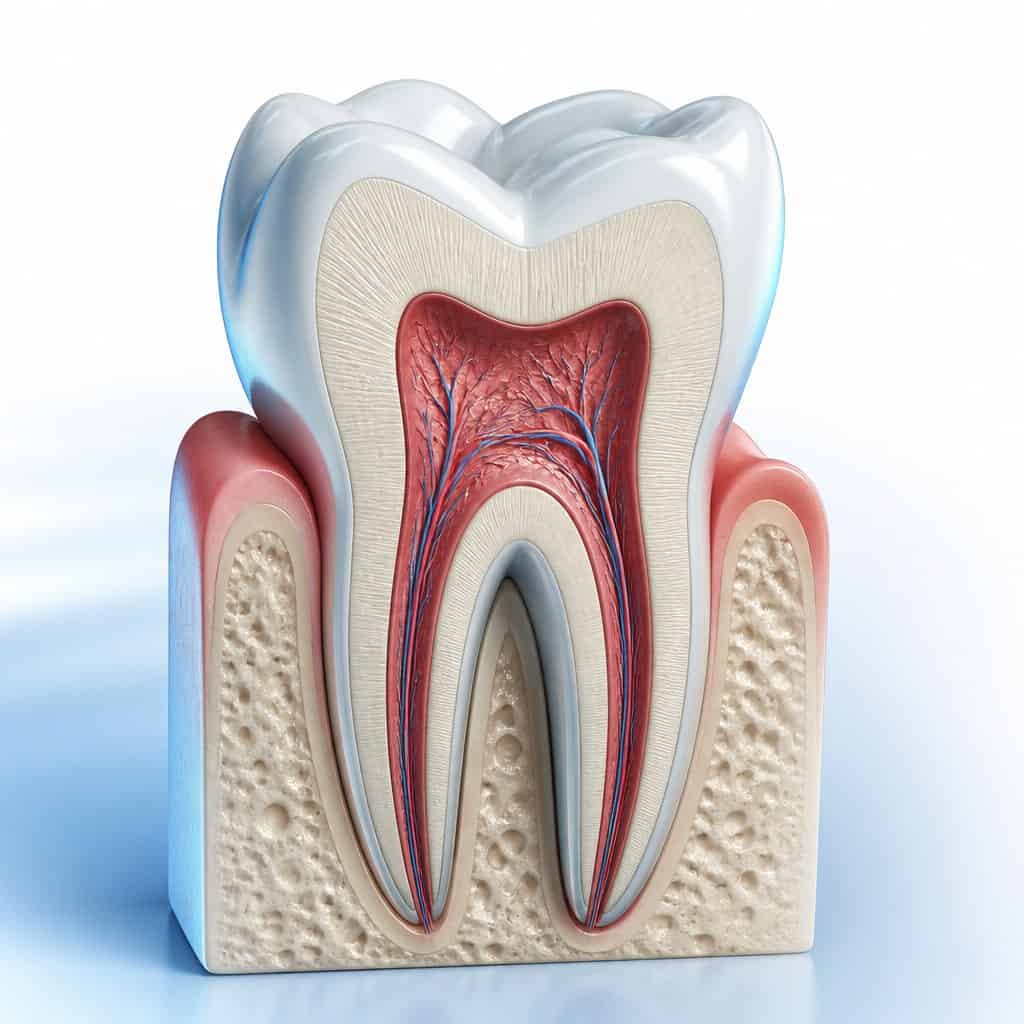
What Nobody Tells You About Living With Missing Teeth: Understanding Effects and Exploring Dental Implants Benefits
Living with missing teeth can have profound implications beyond aesthetics. Individuals often experience significant challenges in oral health, self-esteem, and daily functioning. Understanding these effects is crucial for anyone facing tooth loss, as it can drive the decision towards effective solutions like dental implants. At The Harmony Dental Group of Norwalk, CT, led by Dr. Richard Malek, patients receive comprehensive care tailored to address these challenges. This article aims to explore the unseen repercussions of missing teeth, as well as the transformative benefits of dental implants. Key focus areas will include health risks associated with missing teeth, the procedure and success rates of dental implants, alternative solutions for tooth loss, and practical ways to adapt to daily challenges posed by missing teeth.
What Are the Hidden Effects of Missing Teeth on Oral and Facial Health?
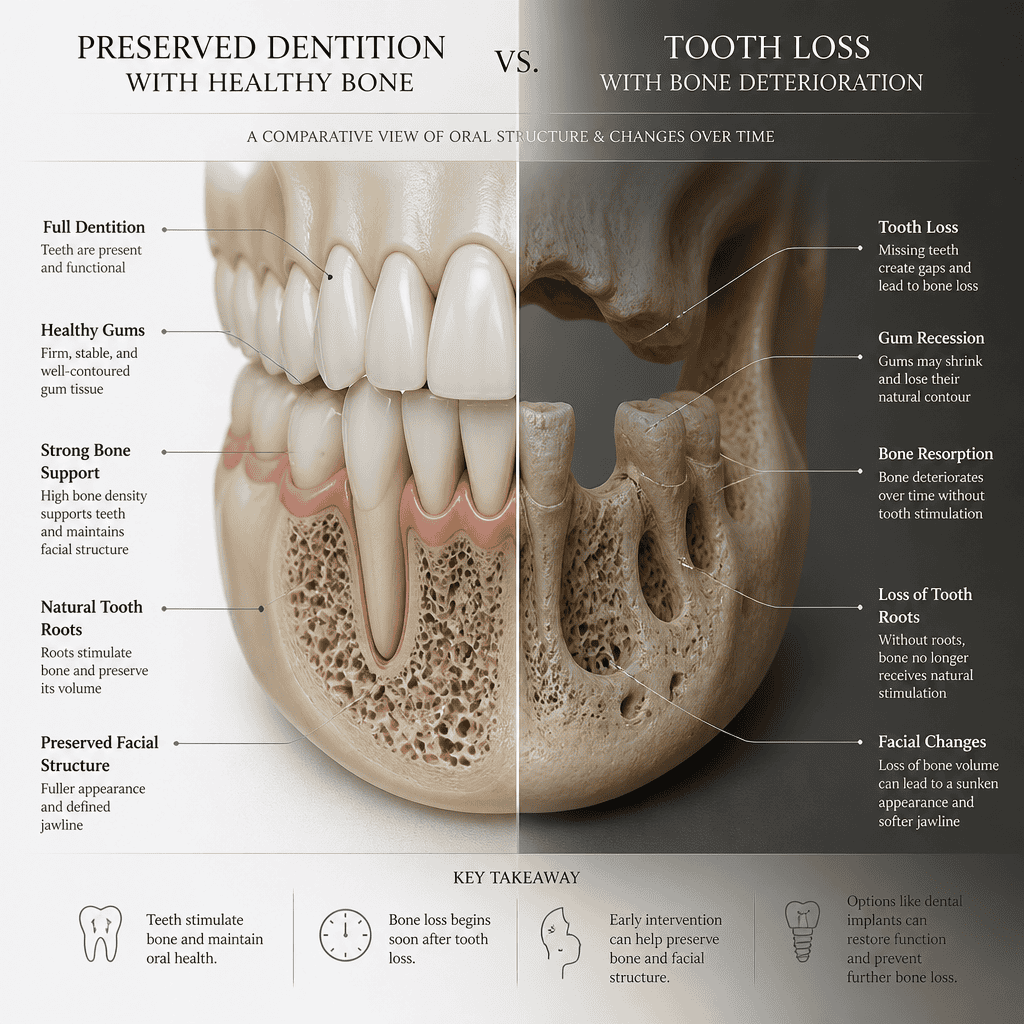
Missing teeth can lead to various complications that affect not only oral health but also facial aesthetics and overall well-being. The absence of teeth can significantly change the structure of the jawbone, leading to deterioration over time. When teeth are missing, the jawbone lacks the stimulation it receives from the roots of those teeth, resulting in what is known as bone loss. This can alter the shape of the face and lead to a sunken appearance, affecting self-image and confidence.
How Does Bone Deterioration Occur After Tooth Loss?
Bone deterioration occurs after tooth loss primarily due to the lack of stimulation. When teeth are anchored in the jaw, they exert pressure during activities like chewing, prompting the body to maintain bone density in that area. However, once a tooth is lost, this stimulation diminishes, leading to atrophy of the jawbone, which can begin within months of tooth loss. Understanding this biological process underscores the importance of prompt dental intervention to prevent further complications, like the need for bone grafting before implant placement.
What Are the Health Risks Associated with Missing Teeth?
Living with missing teeth can pose a range of health risks, including increased susceptibility to periodontal disease and nutritional deficiencies. Without the barrier that teeth provide, bacteria can accumulate, leading to oral infections that may impact overall health. Furthermore, missing teeth complicate proper chewing, which can affect digestion and nutrient absorption. As a result, many individuals with missing teeth may find themselves at risk of deficiencies, impacting their long-term health.
How Can Dental Implants Restore Functionality and Improve Quality of Life?
Dental implants offer a groundbreaking solution for individuals suffering from missing teeth by providing a permanent and functional replacement. Unlike traditional dentures, which can be uncomfortable and insecure, dental implants integrate with the jawbone, providing a stable foundation that functions similarly to natural teeth. At The Harmony Dental Group, Dr. Richard Malek specializes in implant dentistry to ensure optimal outcomes. This restoration can significantly improve chewing efficiency and overall quality of life, helping individuals regain confidence in their smile.
What Is the Dental Implant Procedure and How Does Osseointegration Work?
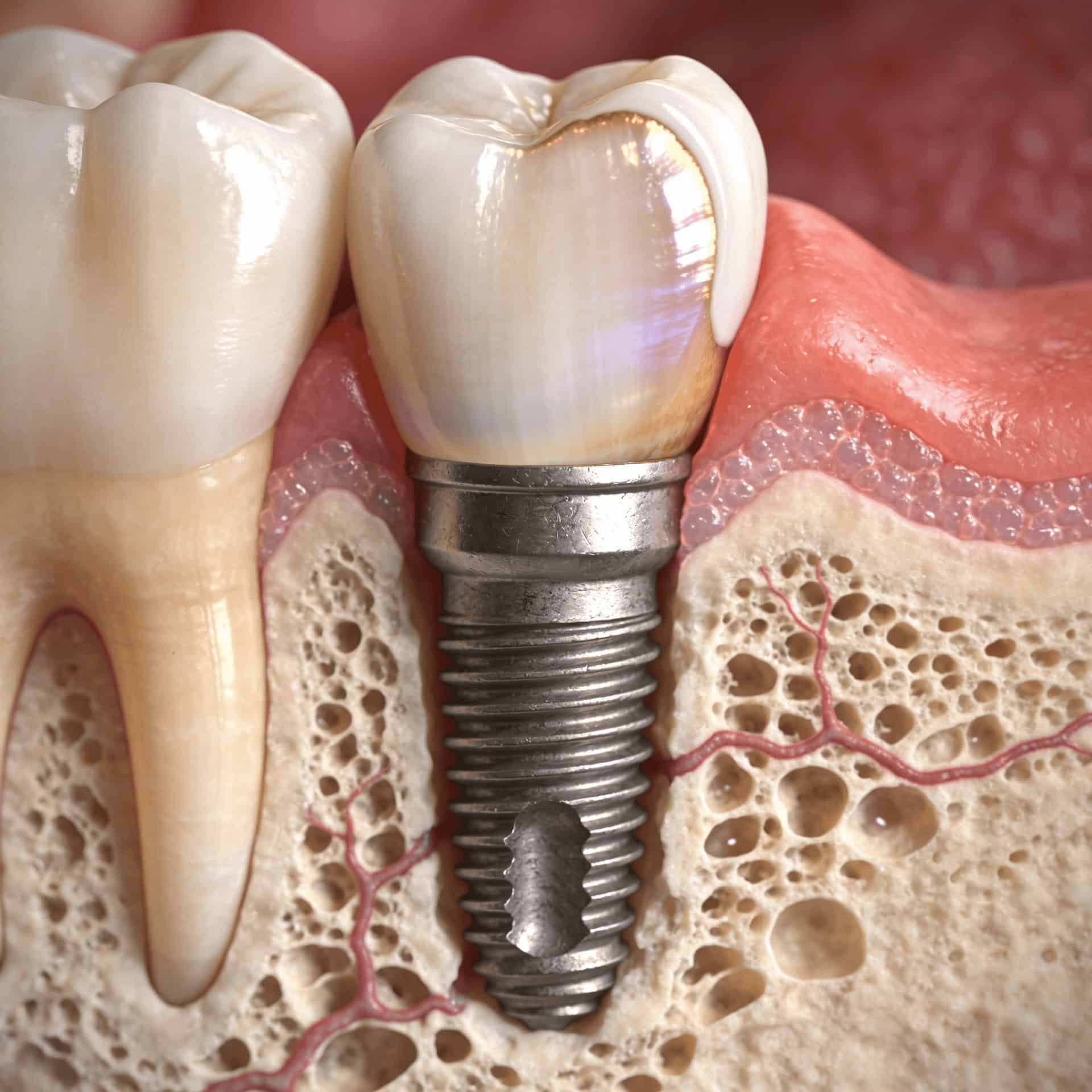
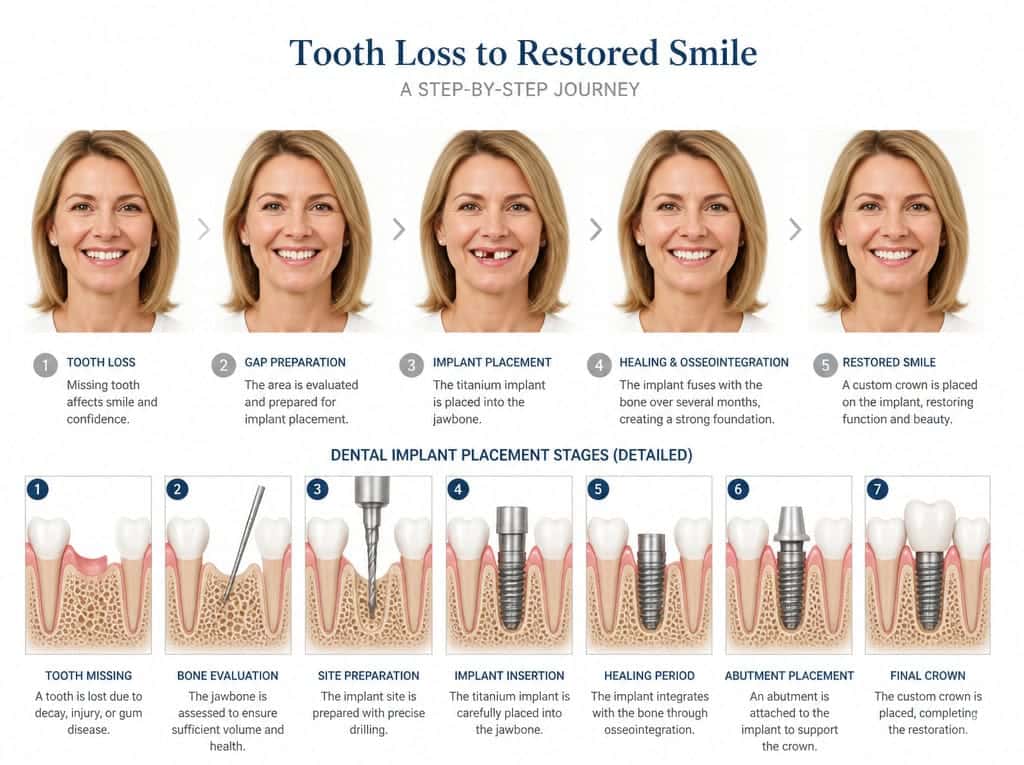
The dental implant procedure typically involves several steps. Initially, a titanium post is surgically implanted into the jawbone, acting as a substitute for the tooth root. Osseointegration is the process by which the bone grows around the implant, securing it firmly in place. This can take several weeks to months, during which the implant heals and integrates with the surrounding bone structure. Understanding this process helps patients appreciate the importance of following post-operative care guidelines to ensure the success of the implant. Dr. Malek and the team at The Harmony Dental Group guide patients every step of the way to enhance healing and implant integration.
What Are the Success Rates and Patient Outcomes of Dental Implants?
Dental implants boast impressive success rates, often exceeding 90% over the long term. Factors like proper placement, patient health, and adherence to post-operative care significantly influence outcomes. Many patients report enhanced functionality, improved self-esteem, and greater satisfaction with their appearance after receiving implants. This positive experience underscores the popularity of dental implants as a reliable solution for restoring missing teeth. Patients treated by Dr. Richard Malek at The Harmony Dental Group frequently share how dental implants have transformed their quality of life.
What Alternatives Exist for Missing Teeth and How Do They Compare?
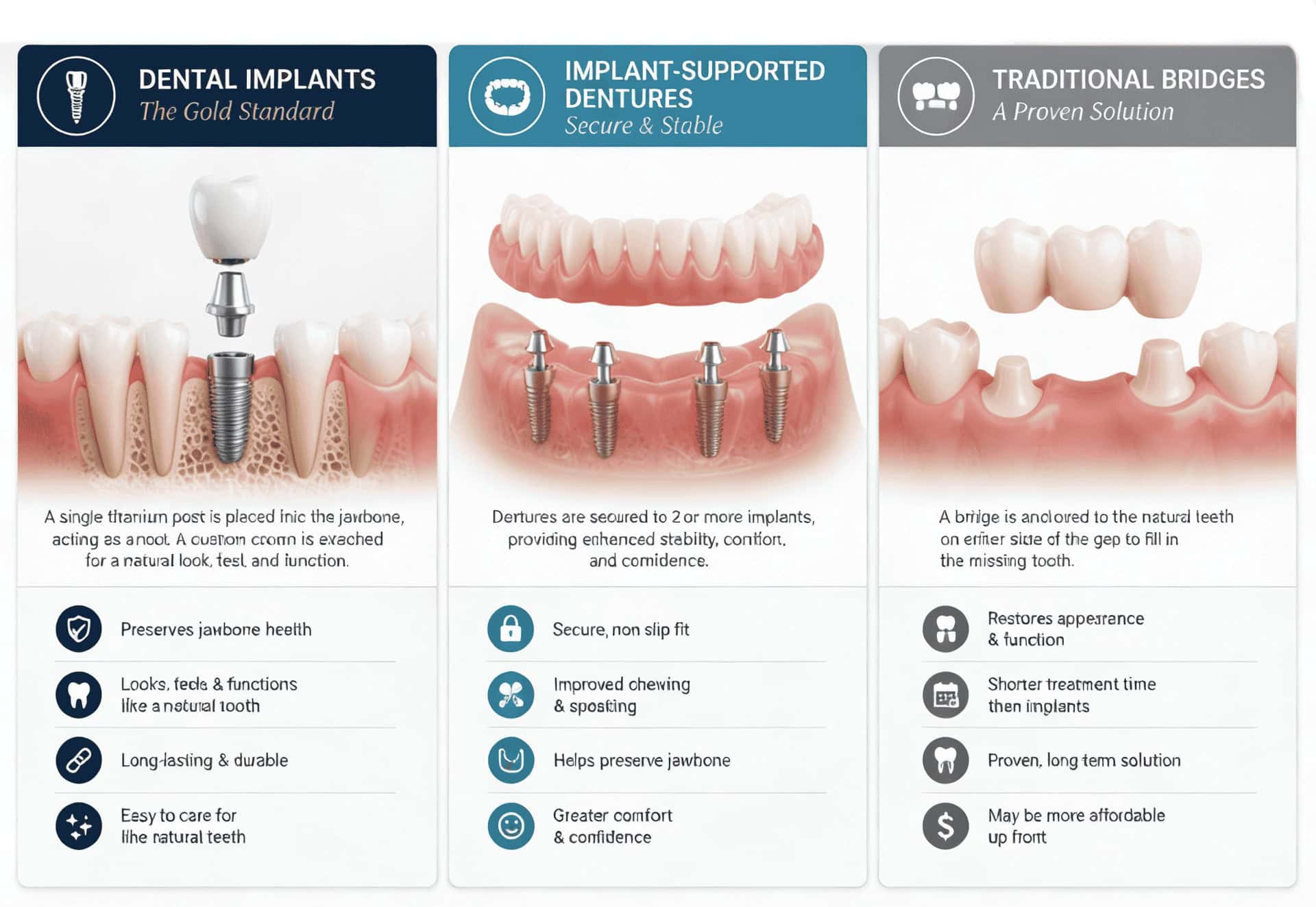
While dental implants are a popular choice for replacing missing teeth, other alternatives also exist. These alternatives include traditional dentures, bridges, and implant-supported dentures, each coming with distinct advantages and drawbacks.
What Are the Pros and Cons of Implant-Supported Dentures and Other Solutions?
Implant-supported dentures offer improved stability over traditional dentures, allowing for a more natural biting and chewing experience. However, they typically require a surgical procedure and a longer healing time. Traditional dentures, while non-invasive, may not provide the same level of comfort and can slip or shift, leading to potential embarrassment. Weighing these options is essential for finding the right solution tailored to individual needs and preferences. At The Harmony Dental Group of Norwalk, CT, Dr. Malek helps patients evaluate all options to make informed decisions.
How Do Costs and Treatment Durations Vary Among Missing Teeth Solutions?
Cost and treatment duration can vary significantly based on the chosen solution. Dental implants usually present a higher initial expenditure, often between $1,500 to $6,000 per implant, reflecting their complexity and long-term benefits. In contrast, traditional dentures may range from $300 to $2,500 but can require replacements or adjustments over time, potentially increasing their lifetime cost. Understanding these variables is crucial for individuals seeking effective solutions for missing teeth. The Harmony Dental Group offers consultations with Dr. Richard Malek to discuss financial options and treatment timelines tailored to each patient's needs.
How Can You Manage Daily Life Challenges When Living With Missing Teeth?
Adapting to life with missing teeth involves recognizing and addressing the daily challenges that arise. Individuals often struggle with issues such as impaired speech, difficulties in eating, and the psychological impact of tooth loss.
What Are Common Speech and Eating Difficulties Caused by Missing Teeth?
Missing teeth can severely hinder communication and dining experiences. Individuals may experience slurred speech or a lisp due to gaps in their dentition, which can hinder social interactions. Additionally, the inability to eat certain foods can lead to nutritional challenges, as the range of consumables becomes limited. Recognizing these obstacles is the first step toward finding appropriate solutions and support. At The Harmony Dental Group, Dr. Malek provides guidance and therapies to help patients overcome these difficulties effectively.
How Can Patient Education and Support Improve Adaptation and Treatment Success?
Effective patient education is crucial for those coping with the challenges of missing teeth. Providing resources on dietary modifications, speech exercises, and ways to enhance confidence can contribute to better adaptation. Furthermore, support networks, whether through healthcare providers or community groups, offer encouragement and advice that empower individuals to navigate their circumstances more effectively. Dr. Richard Malek and The Harmony Dental Group are committed to offering ongoing education and personalized support to ensure patients thrive throughout their treatment journey.
Frequently Asked Questions
1. What can I do to maintain oral health while I have missing teeth?
Maintaining oral health with missing teeth is vital to prevent further complications. Regular dental check-ups are crucial, as they help monitor the health of your gums and remaining teeth. Additionally, practicing good oral hygiene—such as brushing twice a day and flossing—can help manage plaque accumulation and prevent gum disease. Eating a nutritious diet rich in vitamins and minerals also supports oral health. For personalized care tips, consider consulting your dentist to establish an effective oral health routine tailored to your needs.
2. Can a missing tooth affect my overall health?
Yes, missing teeth can lead to several overall health issues. They can disrupt proper chewing, which affects digestion and nutrient absorption, potentially resulting in deficiencies. The absence of teeth often leads to changes in jaw structure and alignment, which can contribute to headaches, neck pain, and jaw disorders. Additionally, missing teeth can lead to psychological effects, such as low self-esteem and social anxiety, which may further affect mental health. Addressing tooth loss promptly is important for both physical and emotional well-being.
3. Are dental implants painful to get?
The procedure for obtaining dental implants involves some discomfort, as it is a surgical process. However, many patients report that the pain is manageable with local anesthesia and sedation options available during the procedure. After the surgery, some swelling and discomfort may occur, but this can typically be managed with prescribed pain medications. Most patients find the long-term benefits of dental implants, including restored function and aesthetics, outweigh the temporary discomfort experienced during the process.
4. How long do dental implants last?
Dental implants are designed to be a long-term solution for missing teeth and can last decades with proper care. Many patients experience successful outcomes for 10 years or longer, with some implants lasting a lifetime. Factors influencing the longevity of dental implants include oral hygiene practices, regular dental visits, and lifestyle choices, such as smoking. Investing in quality care and maintenance will ensure that your dental implants continue to function effectively and support good oral health.
5. What should I expect during the recovery process from dental implant surgery?
Recovery from dental implant surgery can vary by individual, but there are general expectations. Initially, you might experience swelling, bruising, and mild discomfort at the surgical site, which typically subsides within a few days. It's essential to follow post-operative care instructions provided by Dr. Malek, including diet modifications and oral hygiene practices. Most patients can return to normal activities within a week, but avoid strenuous exercises for a couple of weeks. Full osseointegration of the implant may take a few months, so patience is key during recovery.
6. Are there age restrictions for getting dental implants?
There are no upper age restrictions for receiving dental implants; however, candidates must be in good health and have sufficient jawbone density. Age is often less of a concern than overall oral health and bone condition. Younger patients may need to wait until their jaw has fully developed, generally around the age of 18 or older, to ensure proper placement and stability of the implant. A thorough evaluation by Dr. Malek can determine the suitability of dental implants for individuals of any age.
7. How do I choose between dental implants and dentures?
The choice between dental implants and dentures usually depends on several factors, such as lifestyle, budget, and personal preference. Dental implants offer better stability, functionality, and a natural look, but they require a higher initial investment and surgical intervention. Conversely, dentures are a more affordable and non-invasive option but may not provide the same level of comfort or security. Discuss your individual needs and priorities with Dr. Malek, who can help you evaluate the best solution for your dental health and lifestyle.
Conclusion
Living with missing teeth can significantly impact both physical and emotional health, but dental implants provide a path to restoring function and confidence. Understanding the benefits of dental implants—such as improved oral health, aesthetic appearance, and quality of life—reinforces the value of seeking timely dental care. We encourage you to consult with Dr. Richard Malek at The Harmony Dental Group to explore tailored solutions for your dental needs. Take the first step in reclaiming your smile and well-being today.
About The Harmony Dental Group
The Harmony Dental Group, located in Norwalk, CT, is dedicated to providing personalized and comprehensive dental care. Led by Dr. Richard Malek, the team specializes in advanced implant dentistry and a variety of restorative and cosmetic treatments designed to improve oral health and patient confidence. Committed to excellence and patient comfort, The Harmony Dental Group offers tailored solutions to meet the unique needs of each individual, helping patients achieve lasting smiles and enhanced quality of life.
READY TO IMPROVE YOUR ORAL HEALTH? SCHEDULE YOUR VISIT TODAY!
Related reading from The Harmony Dental Group
- What Are Dental Implants? A Complete Guide to Restoring Your Smile.
- Full Mouth Dental Implants: Everything You Need to Know Before Treatment
- Single‑tooth implants and implant‑supported bridges.
Ready to book your visit?
Call 203-354-3193 or request an appointment online. The Harmony Dental Group · Dr. Richard Malek · Norwalk, CT.